
There are some meals that feel like a warm hug, and for me, manicotti has always been one of them. It was a staple at family gatherings, a dish that meant comfort, celebration, and way too much cheese. When I started my fitness journey and lost the first 65 pounds, I thought foods like this were off-limits forever. I bought into the idea that fat loss meant boring chicken and broccoli, and that pasta was the enemy.
That all-or-nothing thinking is a classic ADHD trap. It’s the mindset that tells you if you can’t be perfect, you might as well not try at all. For years, I avoided my favorite foods, which only led to intense cravings and eventual binges. It wasn’t sustainable, and it wasn’t enjoyable. The real breakthrough came when I shifted my focus from restriction to modification.
I realized I didn’t have to give up the foods I loved. I just had to make them work for my goals. This high-protein manicotti recipe is the perfect example of that philosophy. It keeps all the comforting, cheesy goodness while being packed with enough protein to support fat loss and keep you full for hours. It’s proof that you can build a fit lifestyle without sacrificing the joy of food.
Skip to My Flexibe Diet Recipe!
Why Manicotti Is Great For Fat Loss
When you see a cheesy pasta bake, “fat loss” probably isn’t the first thing that comes to mind. I get it. Most versions are loaded with fat and simple carbs, leaving you feeling sluggish and ready for a nap. But this manicotti recipe is engineered differently. We’re working with the ADHD brain’s need for satisfying food, but we’re making it work for our bodies.
The first principle here is protein first. This dish is absolutely loaded with it. We use 99% lean ground turkey, part-skim ricotta, low-fat cottage cheese, and part-skim mozzarella. All together, a single serving delivers a massive protein punch. Protein is the superstar macro for fat loss because it’s highly satiating. It keeps you feeling full and satisfied, which crushes cravings before they even start.
Protein also has a higher thermic effect of food (TEF), meaning your body burns more calories just digesting it compared to fats and carbs. Plus, it’s essential for preserving muscle mass while you’re in a calorie deficit. This is critical because more muscle means a higher metabolism, making fat loss easier and more sustainable.
We also get smart with the other ingredients. The spinach adds volume and micronutrients for very few calories. We use a no-sugar-added marinara to avoid the empty calories and blood sugar spikes from added sugars. This isn’t a “cheat meal.” It’s a strategically built comfort meal that fits right into a flexible, sustainable eating plan. It proves that you can enjoy delicious, hearty food and still make steady progress toward your goals.
Ingredients You’ll Need for Manicotti
The beauty of this high-protein manicotti is that it uses simple, accessible ingredients. There’s nothing here you can’t find at a standard grocery store. This is key for managing ADHD, as a complicated shopping list can be a huge barrier to actually making the meal. Keep it simple.
Our secret weapon for boosting protein is the addition of low-fat cottage cheese. It blends seamlessly with the ricotta, so you don’t even notice it’s there, but it dramatically increases the protein content while keeping the fat low. It’s a perfect example of a small tweak that makes a huge nutritional difference.
- 1 (8-ounce) package manicotti shells
- 1 pound 99% lean ground turkey
- 1 teaspoon olive oil
- 1/2 cup finely chopped yellow onion
- 2 cloves garlic, minced
- 1 teaspoon Italian seasoning
- 1/2 teaspoon salt
- 1/4 teaspoon black pepper
- 15 ounces part-skim ricotta cheese
- 1 cup low-fat cottage cheese
- 10 ounces frozen chopped spinach, thawed and squeezed dry
- 1/2 cup grated Parmesan cheese, divided
- 1 large egg, lightly beaten
- 24 ounces no-sugar-added marinara sauce
- 1 cup shredded part-skim mozzarella cheese
A quick note on a few key ingredients. For the marinara sauce, make sure you check the label for “no sugar added.” Brands can sneak a surprising amount of sugar into their sauces, which adds unnecessary calories. Rao’s Homemade is a great option, but many store brands have good choices now too.
When it comes to the frozen spinach, getting it as dry as possible is non-negotiable. Any excess water will make your filling runny and your final dish watery. I thaw it in the microwave, then put it in a clean kitchen towel or cheesecloth and squeeze until no more water comes out. It’s an extra step, but it’s worth it for the perfect texture.
How To Make Manicotti (Step-By-Step)
Making manicotti can seem intimidating, especially the stuffing part. But we’re going to break it down into simple, manageable steps. The key, especially for an ADHD brain, is to focus on one thing at a time. Don’t think about the whole process at once. Just focus on the very next step.
Step 1: Prep the Oven and Pasta
First things first, preheat your oven to 375°F (190°C). Getting this started right away means it will be ready when you are. While it’s heating, get a large pot of salted water boiling and cook the manicotti shells according to the package directions, but aim for al dente. This means they should still have a slight bite. They’ll finish cooking in the oven, and this prevents them from turning to mush. Once cooked, drain them and set them aside.
Step 2: Cook the Turkey and Aromatics
In a large skillet, heat the olive oil over medium-high heat. Add the ground turkey, chopped onion, and minced garlic. Use a wooden spoon or spatula to break up the turkey as it cooks. Continue cooking until the turkey is fully browned and the onion is soft. This step builds the savory flavor base for our filling.
Step 3: Season and Cool the Filling
Once the turkey is cooked, drain off any excess fat from the skillet. Stir in the Italian seasoning, salt, and pepper. Give it a good mix to make sure the seasoning is evenly distributed. Now, remove the skillet from the heat and let the mixture cool for a few minutes. This is important because you don’t want to scramble the egg when you combine everything later.
Step 4: Mix the Cheese and Spinach Filling
While the turkey cools, grab a large bowl. In it, combine the part-skim ricotta, low-fat cottage cheese, thawed and super-dry spinach, 1/4 cup of the Parmesan cheese, and the lightly beaten egg. Mix it all together until it’s well combined. This creamy, protein-packed mixture is what makes the manicotti so satisfying.
Step 5: Combine Turkey and Cheese Mixtures
Now, add the slightly cooled turkey mixture to the bowl with the cheese and spinach mixture. Stir everything together until it’s uniformly combined. You should have a thick, hearty filling ready to go.
Step 6: Prepare the Baking Dish
Take your 9×13-inch baking dish and spread a thin layer of marinara sauce across the bottom. This prevents the manicotti shells from sticking to the dish and adds a layer of flavor right from the start.
Step 7: Stuff the Manicotti Shells
This is the part people dread, but I have a great ADHD-friendly hack. Instead of fumbling with a small spoon, transfer your filling into a large Ziploc bag. Snip off one of the bottom corners to create a makeshift piping bag. It makes filling the shells incredibly fast, easy, and much less messy. Carefully pipe the filling into each cooked shell.
Step 8 & 9: Assemble and Sauce the Dish
As you fill each shell, arrange it in a single layer in your prepared baking dish. Once all the shells are filled and arranged, pour the rest of the marinara sauce evenly over the top, making sure to cover all the pasta.
Step 10, 11, & 12: Bake to Perfection
Sprinkle the shredded mozzarella and the remaining 1/4 cup of Parmesan cheese over the sauce. Cover the dish with aluminum foil and bake for 25-30 minutes. The foil traps steam and helps everything cook through. After that, remove the foil and bake for another 5-10 minutes, just until the cheese is completely melted and gets a little bubbly and golden on top.
Step 13: Let It Rest
This is a crucial final step! Let the manicotti rest for at least 5-10 minutes after you take it out of the oven. This allows the filling and sauce to set, so when you cut into it, the shells hold their shape instead of turning into a sloppy mess. It’s hard to wait, but it makes a huge difference.
How To Serve Manicotti (ADHD-Friendly)
Once your beautiful, bubbly manicotti comes out of the oven, the goal is to get it on a plate and enjoy it without creating a mountain of extra work. We want a balanced meal, but we don’t need a five-course dinner. Simplicity is our friend, especially on low-energy days.
The best way to serve this manicotti is with a simple, no-fuss side that adds some green to the plate. My go-to is a bagged salad kit. You just open the bag, dump it in a bowl, and toss with the included dressing. There’s no chopping or extra prep required. Another fantastic option is a bag of frozen steamer vegetables, like green beans or broccoli. You just pop the bag in the microwave for a few minutes, and you have a perfectly cooked vegetable side.
Here’s a critical ADHD-friendly tip for making this meal work all week:
- Portion It Out Immediately. Don’t just put the whole baking dish in the fridge. That’s a recipe for forgetting it exists. As soon as the manicotti has cooled enough to handle, portion single servings into airtight meal prep containers.
- Label and Stack. Use a piece of masking tape or a dry-erase marker to label each container with “Manicotti” and the date. Stack them at the front of your fridge where you can see them. This removes the guesswork and decision-making for future meals.
- Plan Your Servings. By portioning it out, you’ve essentially made your own healthy, high-protein frozen dinners. A serving of manicotti and a side of steamed veggies is a complete, satisfying meal you can have ready in under five minutes.
This “out of sight, out of mind” issue is a real struggle for those of us with ADHD. By making our healthy leftovers visible and incredibly easy to access, we set ourselves up for success. We make the healthy choice the easiest choice, which is the core of building sustainable habits.
How To Store, Reheat, and Reuse Manicotti
One of the best things about a baked pasta dish like this manicotti is that it makes fantastic leftovers. Cooking once and eating multiple times is a cornerstone of my strategy for staying consistent. It saves time, reduces decision fatigue, and ensures I always have a healthy, protein-packed meal ready to go.
Proper storage is key to keeping your manicotti tasting fresh and delicious. Once it has cooled down, you can handle it a couple of ways. You can either cover the entire baking dish tightly with foil or plastic wrap, or you can portion individual servings into airtight containers. As I mentioned before, I strongly recommend the individual containers for ADHD brains.
Here’s a quick guide on how to store and reheat your leftovers:
- In the Refrigerator: Leftover manicotti will last for up to 4 days in an airtight container in the fridge. This is perfect for lunches or quick dinners throughout the week.
- In the Freezer: This recipe freezes beautifully! You can freeze the entire dish or individual portions. Wrap tightly in both plastic wrap and foil to prevent freezer burn. It will keep well for up to 3 months. This is an amazing hack for future-you on a day when you have zero energy to cook.
- Reheating from Refrigerated: For a single serving, the microwave is your best friend. Place it on a microwave-safe plate, cover it loosely, and heat for 2-3 minutes, or until hot all the way through. For larger portions, you can reheat it in the oven at 350°F (175°C) for about 20 minutes, or until bubbly.
- Reheating from Frozen: You can thaw it overnight in the refrigerator and then reheat as above. If you’re in a hurry, you can also reheat it directly from frozen. Use the microwave at 50% power for the first few minutes to thaw it gently, then finish on full power. Or, you can bake it from frozen in the oven at 350°F (175°C), but it will take closer to 45-60 minutes. Keep it covered with foil for most of the cooking time to prevent it from drying out.
Having a freezer stocked with a few portions of this manicotti is like a secret weapon. It’s the perfect defense against the temptation to order takeout when you’re tired and hungry. It’s a simple system that helps you stay on track with your goals, even on the tough days.
Easy Swaps & Variations for Manicotti
My philosophy is all about flexible eating. A recipe is a blueprint, not a rigid set of rules. You should always feel empowered to make swaps based on what you have on hand, your dietary needs, or your personal preferences. This manicotti recipe is very adaptable, so don’t be afraid to experiment.
The goal is to keep the protein high and the other macros in check, but there are plenty of ways to get there. Whether you need to accommodate a gluten sensitivity, want to try a different protein source, or just want to use up what’s in your fridge, here are some easy and effective variations.
- Protein Swaps: If you’re not a fan of ground turkey, 96% lean ground beef or ground chicken would work perfectly here. For a vegetarian version, you could replace the meat with a mixture of finely chopped mushrooms, lentils, and extra spinach. Just be sure to cook the mushrooms down well to remove excess moisture.
- Cheese Variations: You can absolutely use full-fat ricotta and mozzarella if it fits your macros for the day. The flavor will be richer. If you don’t have cottage cheese, you can just use more ricotta, though you’ll lose a bit of the protein boost.
- Make It Gluten-Free: To make this dish gluten-free, simply swap the regular manicotti shells for a gluten-free version. They are readily available in most large supermarkets now. Just be careful when boiling them, as some gluten-free pastas can be a bit more delicate.
- Spice It Up: If you like a little heat, add 1/2 teaspoon of red pepper flakes to the turkey mixture along with the other seasonings. You could also use a spicy arrabbiata marinara sauce instead of a classic one for an extra kick.
- Add More Veggies: Feel free to bulk up the filling with other finely chopped and sautéed vegetables. Zucchini, bell peppers, or carrots would all be great additions. Just make sure to cook them with the turkey and onion to soften them and cook off any extra water.
Remember, consistency beats perfection every single time. Making a “good enough” version of a recipe with ingredients you already have is always better than putting it off because you’re missing one “perfect” ingredient. Work with what you’ve got and make it your own.
High-Protein Turkey Manicotti
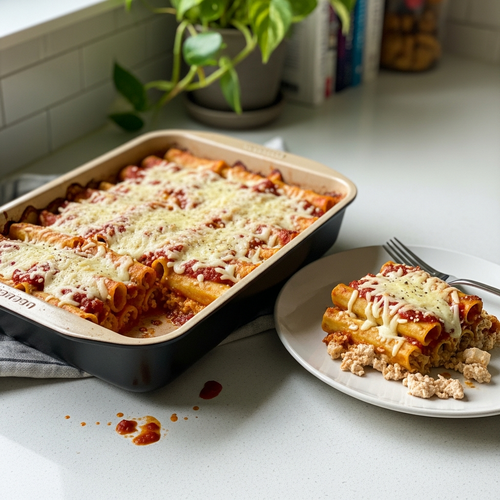
Description: A delicious, satisfying, and easy-to-make high-protein manicotti recipe designed for fat loss. This cheesy, comforting pasta bake is packed with lean protein to crush cravings and keep you full, proving you don’t have to give up your favorite foods to get fit.
Prep Time: 25 minutes | Cook Time: 40 minutes
Servings: 8
Macros per Serving | Calories: 485 | Protein: 39g | Fat: 18g | Carbohydrates: 41g
Ingredients
- 1 (8-ounce) package manicotti shells
- 1 pound 99% lean ground turkey
- 1 teaspoon olive oil
- 1/2 cup finely chopped yellow onion
- 2 cloves garlic, minced
- 1 teaspoon Italian seasoning
- 1/2 teaspoon salt
- 1/4 teaspoon black pepper
- 15 ounces part-skim ricotta cheese
- 1 cup low-fat cottage cheese
- 10 ounces frozen chopped spinach, thawed and squeezed dry
- 1/2 cup grated Parmesan cheese, divided
- 1 large egg, lightly beaten
- 24 ounces no-sugar-added marinara sauce
- 1 cup shredded part-skim mozzarella cheese
Instructions
- Preheat oven to 375°F (190°C). Cook manicotti shells al dente according to package directions. Drain and set aside.
- In a large skillet, heat olive oil over medium-high heat. Cook ground turkey, onion, and garlic until turkey is browned. Drain fat.
- Stir in Italian seasoning, salt, and pepper. Remove from heat and let cool slightly.
- In a large bowl, combine ricotta, cottage cheese, spinach, 1/4 cup Parmesan, and the egg.
- Add the turkey mixture to the cheese mixture and stir to combine.
- Spread a thin layer of marinara sauce in a 9×13-inch baking dish.
- Stuff each manicotti shell with the filling and arrange in the baking dish. A piping bag or Ziploc bag with the corner cut makes this easy.
- Pour remaining marinara sauce over the shells. Top with mozzarella and remaining 1/4 cup Parmesan.
- Cover with foil and bake for 25-30 minutes. Remove foil and bake for another 5-10 minutes, until cheese is melted and bubbly.
- Let rest for 5-10 minutes before serving.
Notes
Make sure to squeeze the thawed frozen spinach very dry using a clean kitchen towel or cheesecloth to avoid a watery filling. Using a no-sugar-added marinara sauce is key to keeping the calories and carbs in check.
FAQs About Manicotti For Weight Loss
Here are some straightforward answers to the most common questions I receive about this manicotti recipe.
Can I make this high-protein manicotti ahead of time?
Absolutely, and I highly encourage it. This is a perfect meal prep recipe. You have two main options for making it ahead. The first is to fully assemble the entire dish—stuff the shells, place them in the sauced pan, top with more sauce and cheese—but don’t bake it. Cover it tightly with foil and store it in the refrigerator for up to 24 hours. When you’re ready to eat, you can bake it straight from the fridge. Just add about 10-15 minutes to the initial covered baking time.
The second option, which is my favorite for ADHD management, is to bake the whole dish as instructed, let it cool completely, and then portion it into individual meal prep containers. This front-loads the work. When you’re hungry later in the week, there are zero steps between you and a healthy meal besides a few minutes in the microwave. This removes decision fatigue and makes sticking to your plan almost effortless. Planning ahead like this is a superpower for managing both your fitness goals and your ADHD.
Is manicotti actually healthy for a weight loss diet?
This is a great question because so many of us have been taught that pasta is “bad” for weight loss. The truth is, no single food is inherently “good” or “bad.” It’s all about the overall context of your diet, including portion sizes and the ingredients used. Traditional restaurant or store-bought manicotti is often a calorie bomb, loaded with full-fat cheese, fatty meats, and sugary sauces. That version is not ideal for fat loss.
However, this manicotti recipe is specifically designed for a weight loss lifestyle. We make smart swaps to slash the fat and calories while dramatically increasing the protein. We use lean turkey, part-skim cheeses, and a secret boost from cottage cheese. The massive protein content (nearly 40 grams per serving!) is the key. It keeps you full and satisfied for hours, which helps you maintain a calorie deficit without feeling deprived. So yes, this version of manicotti is an excellent and healthy choice for a weight loss diet.
How do I stuff manicotti shells without them breaking?
The dreaded broken shell is a common frustration! There are a few key things you can do to prevent this. First, be careful not to overcook the pasta. Cooking it just to al dente (still firm) ensures the shells have enough structural integrity to be handled. If they’re too soft, they’ll tear easily. After draining, you can rinse them gently with cool water to stop the cooking process and make them easier to handle.
The real game-changer is the stuffing method. Trying to push filling in with a small spoon is awkward and puts a lot of pressure on the shell. The best method by far is to use a piping bag. If you don’t have one, a large Ziploc-style freezer bag works perfectly. Just scoop your filling into the bag, push it down to one corner, and snip a small piece off the corner. This allows you to gently and cleanly pipe the filling directly into the shell with minimal force. It’s faster, cleaner, and you’ll have virtually zero breakage.
What’s the best way to squeeze water out of frozen spinach for this manicotti recipe?
Getting the spinach dry is one of the most critical steps for the final texture of your manicotti filling. If you leave too much water in, the filling will be loose and watery, and it can make the whole dish soupy after baking. The absolute best method is to use a clean kitchen towel (one you don’t mind potentially getting a little green) or a few layers of cheesecloth.
First, thaw the spinach completely. You can do this in the fridge overnight or in the microwave. Once it’s thawed, place the lump of spinach in the center of your towel or cheesecloth. Gather the edges up to form a tight ball, and then twist and squeeze over the sink. You will be shocked at how much green water comes out. Keep squeezing and twisting until you can’t get any more liquid out. The result should be a dense, compact ball of spinach. This little bit of extra effort pays off big time in the final dish.
Can I freeze this manicotti dish for later?
Yes, this manicotti is an excellent candidate for freezing, which is a fantastic strategy for anyone, but especially for those of us with ADHD. Batch cooking and freezing meals saves you from having to cook on days when your executive function is low. You can freeze the manicotti either before or after baking. To freeze it unbaked, assemble the entire dish in a freezer-safe pan, then cover it tightly with a layer of plastic wrap followed by a layer of heavy-duty aluminum foil. It can be frozen for up to 3 months.
To freeze it after baking, let the dish cool completely. You can then wrap the entire pan, or my preferred method is to cut it into individual portions and place them in freezer-safe airtight containers. This way, you have single-serving meals ready to go. When you want to eat it, you can thaw it in the fridge overnight or reheat it directly from frozen in the microwave or oven. It’s a perfect way to ensure a healthy, delicious meal is always just a few minutes away.
Try These High-Protein Recipes Next
If you enjoyed this flexible and high-protein approach to a pasta classic, here are a few other recipes you should try.
- High-Protein Stuffed Shells Recipe: Very similar to manicotti, this recipe uses jumbo shells and a delicious, protein-packed filling that the whole family will love.
- Easy High-Protein Baked Ziti: Another simple, crowd-pleasing pasta bake that’s perfect for meal prep and loaded with flavor and protein.
- Best Manicotti Recipe with Ricotta: For a more traditional take on the classic, this recipe is a great reference for authentic flavor and texture.
Building a library of reliable, tasty, and macro-friendly recipes is the key to long-term success.