
For years, I thought getting lean meant breaking up with fresh bread forever. During my 70-pound weight loss journey, I tried the typical low-carb routes and ended up miserable. I would restrict carbs all week, hit an ADHD wall of exhaustion on Friday night, and devour an entire baguette from the grocery store bakery before dinner was even cooked.
That all-or-nothing spiral wrecked my progress more times than I care to admit. When you have ADHD, extreme deprivation always triggers a dopamine-seeking binge. I realized I did not need to eliminate crusty, warm carbs from my diet. I just needed to make a version of french bread that actively served my physique goals.
Baking traditional artisan loaves takes all day, but our brains cannot handle twelve-step, twenty-four-hour sourdough schedules. I developed this high-protein loaf to satisfy intense carb cravings while packing serious nutritional value into every single slice.
By blending standard bread flour with vital wheat gluten and powdered egg whites, we get the real deal. You get a crisp, crackly crust and an airy, chewy crumb with triple the protein of store-bought loaves. It gives you the dopamine hit of fresh bakery bread without blowing your daily calorie budget.
Skip to My Flexibe Diet Recipe!
Why French Bread Is Great For Fat Loss
Fat loss comes down to calorie control and protein intake, but sustained fat loss comes down to satiety. Traditional white bread digests rapidly, which often leaves you hungry an hour later. That rapid blood sugar spike and drop is a disaster for ADHD focus and appetite management.
This modified french bread flips that script completely. By incorporating vital wheat gluten and egg white powder directly into the dough, we dramatically increase the protein density. Protein requires more energy to digest, slows down gastric emptying, and keeps your brain satisfied for hours.
Consistency beats intensity every single time. If your fat loss diet feels like a prison sentence, you will quit. Including real comfort foods that fit your daily macros prevents the mental rebellion that causes late-night binge eating.
A couple of thick slices of this loaf can easily anchor a meal with over twenty grams of protein before you even add your sandwich fillings. You do not have to settle for dry, cardboard-textured diet wraps to hit your body composition targets.
Texture matters just as much as macros. The physical act of chewing through a crisp, chewy crust sends fullness signals to the brain that liquid shakes simply cannot replicate. It lets you participate in family dinners and enjoy real sandwiches while staying fully locked into your cut.
Ingredients You’ll Need for French Bread
Making a bakery-quality loaf at home does not require an exotic shopping list, but the specific ingredients make all the difference. Here is the exact lineup you need:
- 1 1/2 cups (180g) unbleached bread flour
- 1/2 cup (60g) vital wheat gluten
- 2 tablespoons (15g) unflavored egg white powder
- 1 packet (2 1/4 tsp / 7g) active dry yeast
- 1 teaspoon granulated sugar (to activate yeast)
- 1 1/4 teaspoons fine sea salt
- 1 cup (240ml) warm water (105°F–110°F), divided
- 1 large egg white whisked with 1 tablespoon cold water (for crust wash)
The key ingredient that gives this recipe its fat loss twist is vital wheat gluten. This is pure wheat protein extracted from the grain, which provides incredible elasticity and inflates the protein content without adding excess carbohydrates or fats. Unflavored egg white powder works alongside it to reinforce the gluten matrix while keeping the crumb light rather than dense.
Always use unbleached bread flour rather than standard all-purpose flour. Bread flour has a higher natural protein percentage, which is necessary to support the structure of a lean dough. Make sure your active dry yeast is fresh, as an expired packet will lead to a dense, flat brick that ruins your baking motivation.
How To Make French Bread (Step-By-Step)
Making artisan bread is surprisingly straightforward once you break it down into simple, repeatable tasks. Follow these steps to build your loaf.
Step 1: Activate the Yeast
In a small bowl, whisk together 1/4 cup of the warm water, active dry yeast, and granulated sugar. Let it sit undisturbed for 5 to 10 minutes until it becomes frothy and bubbly. If it does not foam, your water was either too hot or your yeast is dead, so start over before wasting the dry ingredients.
Step 2: Whisk the Dry Base
In a large mixing bowl (or the bowl of a stand mixer fitted with a dough hook), whisk together the unbleached bread flour, vital wheat gluten, egg white powder, and fine sea salt. Make sure the powders are completely blended so the gluten and salt disperse evenly.
Step 3: Combine Wet and Dry
Pour the foamy yeast mixture and the remaining 3/4 cup of warm water directly into the dry ingredients. Stir the mixture with a sturdy spoon or spatula until a shaggy, rough dough forms and pulls away from the sides of the bowl.
Step 4: Knead the Dough
Knead the dough using the mixer on medium-low speed (or by hand on a clean counter) for 8 to 10 minutes. Because of the vital wheat gluten, this dough requires solid kneading time to turn from a sticky mess into a smooth, tight, and highly elastic ball.
Step 5: The First Rise
Shape the kneaded dough into a taut round ball. Place it into a lightly oiled bowl, cover it with a damp kitchen towel, and set it in a warm, draft-free spot for 60 to 75 minutes, or until it has doubled in size.
Step 6: Shape the Loaf
Gently punch down the dough to deflate it and move it to a clean work surface. Flatten it into a 12×8-inch rectangle, then roll it tightly from the long side into a firm cylinder. Pinch the long seam shut and taper the ends slightly to create a classic batard shape.
Step 7: The Second Proof
Transfer the shaped loaf seam-side down onto a baking sheet lined with parchment paper. Cover it loosely with plastic wrap or a light kitchen towel, and let it proof for 35 to 45 minutes until visibly puffy and springy.
Step 8: Set Up the Oven Steam
While the loaf proofs, preheat your oven to 425°F (220°C). Place an empty metal baking pan on the lowest rack of your oven so it gets searingly hot before baking begins.
Step 9: Wash and Score
Gently brush the entire top and sides of the loaf with the prepared egg-white wash. Using a sharp razor blade or serrated knife held at a 45-degree angle, make 3 to 4 quick, shallow diagonal cuts across the top surface.
Step 10: Bake with Steam
Slide the baking sheet onto the middle oven rack. Immediately pour 1 cup of hot water into the preheated metal pan on the bottom rack to create a cloud of steam, then shut the oven door immediately to trap the moisture.
Step 11: Bake to Golden Perfection
Bake for 22 to 26 minutes until the crust turns a deep golden brown. The loaf should sound distinctly hollow when you tap the bottom crust with your knuckles.
Step 12: Cool Completely
Move the loaf immediately to a wire cooling rack. Allow it to cool for at least 30 minutes before slicing, because cutting into hot bread turns the interior gummy and ruins the crumb structure.
How To Serve French Bread (ADHD-Friendly)
When executive dysfunction kicks in after a long workday, assembling complex meals is the first thing to fail. Having pre-sliced, high-protein bread ready in your kitchen lowers the barrier to preparing a macro-friendly meal in minutes.
- The High-Protein French Dip: Layer hot lean roast beef onto sliced french bread and serve with a side of warm low-sodium beef broth for dipping.
- Ten-Minute Garlic Toast: Toast thick slices under the broiler with a spray of olive oil, garlic powder, and a sprinkle of low-fat mozzarella for an instant craving crusher.
- Quick Scramble Toast: Top two toasted slices with a pile of scrambled egg whites, one whole egg, baby spinach, and hot sauce for a quick 40-gram protein breakfast.
- Turkey Pesto Melt: Stack deli turkey breast, sliced tomato, and a thin smear of basil pesto on the bread, then toast it in a dry skillet until the exterior is deeply crisp.
Pairing this bread with high-volume, lean protein options keeps your dopamine high and your calorie count low. Keep meals dead simple during busy work weeks so you never feel forced into ordering takeout.
How To Store, Reheat, and Reuse French Bread
Fresh artisan bread contains no artificial preservatives, which means it behaves differently than ultra-processed grocery store sandwich bread. Managing food waste is a big struggle for ADHD adults who easily forget leftovers hidden away in cupboards.
- Counter Storage: Keep the unsliced loaf in a brown paper bag or wrapped in a clean linen cloth at room temperature for up to two days. Avoid plastic bags on day one, as plastic traps moisture and turns the crisp crust soft and leathery.
- Freezer Stashing: Slice the entire loaf after it cools completely, layer the slices between sheets of parchment paper, and freeze them inside a freezer-safe zip-top bag. Slicing ahead of time prevents the frustration of trying to hack through a frozen block of bread when you need a single meal.
- Reheating to Perfection: Pop frozen slices directly into your toaster or air fryer at 350°F for 3 to 4 minutes. The air fryer restores the original bakery-fresh crackle without drying out the interior.
- Repurposing Stale Ends: Cube any leftover dry pieces, toss them with garlic powder and dried oregano, and toast them in the oven for high-protein salad croutons.
By slicing and freezing your batch on day one, you build an automated system that protects your food investment and guarantees you always have quality carbs on hand.
Easy Swaps & Variations for French Bread
You can adapt this recipe depending on what you have in your pantry or how you prefer your crust. Flexibility is the key to maintaining a long-term nutritional routine without burning out.
- Egg Wash Alternative: If you run out of eggs, brush the exterior with cold water or skim milk just before scoring. Milk creates a softer, deeper-toned crust, while plain water yields a very crisp, rustic bite.
- Yeast Swaps: You can use instant yeast in place of active dry yeast in a 1:1 ratio. If using instant yeast, you can skip the separate water activation step and dump it straight into the dry flour blend.
- Herbed Loaf Variation: Add a tablespoon of dried rosemary, Italian seasoning, or roasted garlic powder directly into the dry flour blend during step two for an infused Italian-style bread.
- Seed Crunch Crust: Immediately after brushing the loaf with the egg-white wash, sprinkle the surface with coarse sea salt, poppy seeds, or sesame seeds before making your scores.
Keep these adjustments simple and avoid altering the ratio between the bread flour and vital wheat gluten, as that balance creates the correct volume and crumb texture.
High-Protein French Bread
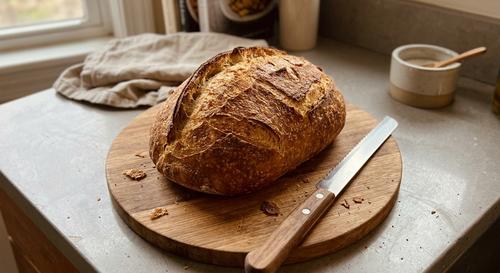
Description: A bakery-style high-protein french bread featuring a crackly crust and chewy crumb, designed for sustainable fat loss and flexible dieting.
Prep Time: 15 minutes | Cook Time: 25 minutes
Servings: 8 slices
Macros per Serving | Calories: 120 kcal | Protein: 11g | Fat: 0.5g | Carbohydrates: 18g
Ingredients
- 1 1/2 cups (180g) unbleached bread flour
- 1/2 cup (60g) vital wheat gluten
- 2 tablespoons (15g) unflavored egg white powder
- 1 packet (2 1/4 tsp / 7g) active dry yeast
- 1 teaspoon granulated sugar
- 1 1/4 teaspoons fine sea salt
- 1 cup (240ml) warm water (105°F–110°F), divided
- 1 large egg white whisked with 1 tablespoon cold water (for crust wash)
Instructions
- Whisk 1/4 cup warm water, yeast, and sugar in a small bowl; let sit 5 to 10 minutes until foamy.
- Whisk bread flour, vital wheat gluten, egg white powder, and salt in a large bowl.
- Add yeast mixture and remaining 3/4 cup warm water to dry ingredients; mix into a shaggy dough.
- Knead by hand or mixer for 8 to 10 minutes until elastic and smooth.
- Shape into a ball, cover in an oiled bowl, and let rise for 60 to 75 minutes until doubled.
- Flatten dough into a 12×8-inch rectangle, roll tightly into a cylinder, and pinch seams closed.
- Place seam-side down on a parchment-lined baking sheet and proof for 35 to 45 minutes.
- Preheat oven to 425°F (220°C) with an empty metal pan on the bottom rack.
- Brush loaf with egg wash and cut 3 to 4 diagonal slashes across the top.
- Place loaf in the oven, pour 1 cup hot water into the bottom metal pan, and close the door quickly.
- Bake for 22 to 26 minutes until deep golden brown and hollow sounding.
- Cool on a wire rack for at least 30 minutes before slicing.
Notes
Always let the loaf cool completely before cutting into it to avoid a gummy texture. Slice the leftovers and store them in the freezer for fast, portion-controlled meals.
FAQs About French Bread For Weight Loss
Here are some straightforward answers to the most common questions I receive about this french bread recipe.
Can I eat french bread and still lose body fat?
Yes, absolutely. Body fat loss is determined by staying in a consistent calorie deficit over time, not by cutting out specific food groups. Bread has been demonized by diet culture, but carbohydrates are your body’s preferred fuel source for tough training sessions.
The problem with typical commercial bread is that it packs a lot of calories without providing much protein or fullness. By using this protein-enriched french bread recipe, you get the volume and mouthfeel of artisan bread while supporting muscle retention and keeping hunger suppressed.
Why do we use vital wheat gluten in this french bread?
Vital wheat gluten is the natural protein found in wheat berries, isolated from the starch. In standard baking, it helps give whole-grain breads better rise and structure. In this recipe, it serves a dual purpose.
First, it dramatically shifts the macronutrient profile of the french bread by packing dense protein into every ounce of flour. Second, it yields an incredible, chewy texture that mimics high-end bakery loaves without requiring an all-day fermentation schedule.
Can I make this french bread without a stand mixer?
You can definitely make this entire loaf by hand. A stand mixer saves time and reduces effort, but hand-kneading works just as well. Simply mix the dough in a wide bowl until it comes together, then tip it out onto an un-floured counter.
Because this dough contains vital wheat gluten, expect it to feel tighter and firmer than standard white bread dough. Knead vigorously with the heels of your hands for ten full minutes to develop the gluten network properly.
Why is steam necessary when baking french bread?
Steam is the secret weapon behind that classic, crackly bakery crust. During the first ten minutes of baking, steam keeps the outside dough soft and flexible, allowing the loaf to expand fully without tearing.
The moisture also dissolves starches on the exterior surface of the french bread. As the bake finishes and the moisture evaporates, those starches turn into a paper-thin, glossy, blistered shell that shatters delightfully when you slice through it.
How do I stop myself from overeating french bread?
ADHD brains crave fast dopamine, and warm bread straight from the oven is a major trigger. The best way to prevent overeating is to establish an environmental boundary as soon as the loaf finishes cooling.
Cut the loaf into measured single servings, keep your planned portion for the day, and immediately freeze the remaining slices in a sealed container. When the rest of the loaf is safely out of sight and frozen, the urge to mindlessly graze vanishes.
Try These High-Protein Recipes Next
Expand your weekly meal prep rotation with these dependable, macro-friendly baked goods that fit your fat loss goals.
- High Protein Sandwich Bread: A soft, sturdy everyday loaf designed for meal-prep lunches and giant deli sandwiches.
- Easy Protein Quick Bread: A zero-fuss, fast-rising alternative that skips the long proofing times for busy weeknights.
- 15 Easy Bread Recipes for Gatherings: A great collection of crowd-pleasing traditional loaves and rolls for holiday hosting.
Pick one recipe to bake this weekend, dial in your systems, and take another step toward sustainable fitness.