
Growing up, boxed macaroni and powdered cheese was my absolute ultimate comfort food. When I first started my fitness journey and set out to lose 65 to 70 pounds, I thought boxed comfort foods had to disappear forever. Every diet online told me that carbohydrates were evil and that dairy was the enemy.
I tried cutting out pasta entirely, but that extreme restriction backfired hard. With an ADHD brain, extreme restriction leads straight to intense cravings, sudden dopamine crashes, and late-night binges. I needed a way to enjoy real, creamy mac n cheese without blowing my daily macros or feeling like garbage afterward.
As a single dad, I also did not have hours to stand over a stove babysitting a complicated butter and flour roux. I wanted something fast, high in protein, and genuinely satisfying for both me and my kid. That frustration led directly to this recipe, which completely redefines what comfort food can look like during fat loss.
Skip to My Flexible Diet Recipe!
Why Mac n Cheese Is Great For Fat Loss
Fat loss is not about suffering through plain chicken breasts and dry broccoli until you snap. The real secret to losing weight and keeping it off is hunger management and consistent dopamine balance. When you enjoy what you eat, sticking to your calorie target stops feeling like a daily fight.
This high-protein mac n cheese fits into a fat loss lifestyle because it swaps empty calories for massive satiety. Standard pasta dishes hit your bloodstream quickly, spike your blood sugar, and leave you starving an hour later. By blending low-fat dairy and protein-dense noodles, we flip that script completely.
You get the mouthfeel, texture, and rich taste of a classic Southern baked pasta dish while loading your plate with lean fuel. Protein keeps your muscles fed during a caloric deficit and triggers the satiety hormones that quiet food noise. Instead of fighting your cravings, you satisfy them on your own terms.
For the ADHD mind, meals that feel like treats provide reliable dopamine hits that prevent impulsive snacking later. When you finish dinner feeling fully satisfied, your brain is far less likely to hunt through the pantry at midnight. This is how you make consistency effortless.
Ingredients You’ll Need for Mac n Cheese
Getting your ingredients grouped before you touch the stove is a massive win for ADHD task initiation. The exact amounts below make four huge, satisfying servings:
- 8 oz high-protein elbow macaroni (such as chickpea, lentil, or protein-blend pasta)
- 1 ½ cups 2% low-fat cottage cheese
- 4 oz extra-sharp yellow cheddar cheese, freshly shredded (divided: 3 oz for sauce, 1 oz for topping)
- ½ cup unsweetened almond milk (or nonfat milk)
- 2 tbsp nutritional yeast
- 1 tsp Dijon mustard (or ½ tsp dry ground mustard)
- ½ tsp garlic powder
- ½ tsp onion powder
- ¼ tsp smoked paprika
- ½ tsp kosher salt (plus more for pasta water)
- ¼ tsp freshly ground black pepper
The secret weapon here is the low-fat cottage cheese. When blended thoroughly, it transforms into an ultra-creamy base that mimics a heavy cream sauce without the mountain of saturated fat. You will never taste curds or tang once it blends with the seasonings.
Ingredient quality matters for your cheddar cheese. Buy a block of extra-sharp yellow cheddar and shred it yourself using a box grater. Pre-shredded bag cheese is coated in potato starch and cellulose powders to prevent sticking, which ruins your sauce texture and stops it from melting smoothly.
How To Make Mac n Cheese (Step-By-Step)
You do not need fancy chef skills to make this work on a busy weeknight. Just follow these steps to turn basic pantry staples into an incredible batch of comfort food.
Step 1: Boil and Cook the Pasta
Fill a large pot with water, add a generous pinch of kosher salt, and bring it to a rolling boil over high heat. Drop in your 8 ounces of high-protein elbow macaroni and cook according to the package instructions until it reaches an al dente texture. Watch it closely, as plant-based and high-protein pastas can turn mushy quickly if left unattended.
Before draining, carefully scoop out ¼ cup of the warm pasta cooking water and set it aside on the counter. Drain the pasta thoroughly in a colander, then return the drained pasta back into the warm pot off the heat.
Step 2: Combine the Sauce Ingredients
Grab your high-speed blender or food processor. Add the 1 ½ cups of 2% low-fat cottage cheese, ½ cup of unsweetened almond milk, 3 ounces of your freshly shredded cheddar, 2 tablespoons of nutritional yeast, 1 teaspoon of Dijon mustard, and all the spices: garlic powder, onion powder, smoked paprika, kosher salt, and black pepper.
Using a high-speed blender makes all the difference here because cheap blenders can leave tiny curds behind. If your blender is low-powered, run it a little longer to ensure absolute smoothness.
Step 3: Blend to Velvety Perfection
Secure the lid and blend on high speed for 60 to 90 seconds. Stop halfway through to scrape down the sides with a spatula if any spices cling to the jar. Continue blending until the mixture looks completely silky, glossy, and uniform.
You are looking for a totally smooth texture with zero visible curds remaining. The sauce will look slightly thin right now, but it will thicken up quickly once it meets the warm pasta on the stove.
Step 4: Combine Sauce and Pasta
Pour your blended cheese sauce directly over the warm pasta resting in your pot. Place the pot back onto the stove burner set to low heat.
Do not crank the heat high here. High temperatures will cause dairy proteins in cottage cheese to split and curdle, turning your smooth meal grainy.
Step 5: Warm and Emulsify
Stir the pasta gently and continuously with a wooden spoon or silicone spatula for 2 to 3 minutes. The sauce will warm through and cling tightly to every single elbow noodle.
If the sauce feels slightly too thick, stir in a splash of your reserved warm pasta water one tablespoon at a time until the texture is glossy and perfect.
Step 6: Broil for a Crispy Top (Optional)
If you love traditional baked textures, transfer the mixed pasta into an oven-safe baking dish. Scatter the reserved 1 ounce of shredded cheddar cheese evenly across the top.
Slide the dish under your oven broiler set on high for 2 to 3 minutes. Keep your eyes on it the entire time so the cheddar bubbles and turns golden brown without scorching, then pull it out and serve immediately.
How To Serve Mac n Cheese (ADHD-Friendly)
Fitting classic comfort food into a fat loss phase requires practical serving strategies that do not trigger executive dysfunction. When motivation is low, simple habits prevent you from eating the entire pot in one sitting.
Here are my favorite ADHD-friendly ways to dish this up and stay on track with your fitness goals:
- Pre-portion immediately: Divide the warm pasta into four meal containers right after cooking so you are not tempted to eat extra portions straight out of the warm pot.
- Bulk it out with frozen veggies: Microwave a bag of frozen steamable broccoli florets and stir them directly into your bowl to add massive volume and fiber with zero extra prep time.
- Pair with pre-cooked lean protein: If your daily protein targets are extra high, slice up some leftover grilled chicken tenderloins or pre-cooked smoked sausage to toss on top.
- Eat it out of a real bowl: Always sit down and eat your food from a dedicated bowl with a fork, which grounds your senses and prevents mindless grazing.
By treating this meal as a fully balanced anchor for your day, you remove decision fatigue around lunch or dinner. You get real satisfaction without blowing up your nutrition plan.
How To Store, Reheat, and Reuse Mac n Cheese
Leftovers are a lifesaver when your brain runs out of gas after a long work day. Having pre-made comfort food in your fridge saves you from ordering delivery when your hunger suddenly spikes.
To keep the sauce creamy and appetizing throughout the week, handle your leftovers using these simple storage and reheating rules:
- Airtight glass containers: Let the pasta cool slightly before snapping the lid shut, then store it in the fridge for up to 4 days. Glass containers reheat far more evenly than plastic tubs.
- The splash of milk revival: When you reheat in the microwave, high-protein pasta absorbs moisture rapidly. Always stir in 1 to 2 tablespoons of unsweetened almond milk before heating for 90 seconds.
- Stovetop re-warming: If you have 5 minutes, reheat your portion in a small skillet over medium-low heat with a splash of water, stirring until creamy again.
- Avoid the deep freeze: Cottage cheese based sauces tend to separate and become watery when frozen and thawed, so enjoy this fresh from the fridge rather than freezing.
You can also reuse these leftovers creatively by stuffing a scoop into a low-carb tortilla with shredded chicken breast for an easy, high-protein mac and cheese wrap.
Easy Swaps & Variations for Mac n Cheese
Rigid meal plans fail people with ADHD because our preferences and pantry stock change constantly. Use what you have on hand instead of abandoning the recipe just because you are missing one non-essential item.
These swaps help you adapt this dish to your dietary preferences, grocery budget, and pantry availability:
- Pasta choices: Swap the chickpea or lentil elbows for classic enriched durum wheat elbows or fiber-boosted pasta blends if you prefer traditional noodle texture.
- Cheese profiles: Replace the extra-sharp yellow cheddar with sharp white cheddar, smoked gouda, or pepper jack cheese for an entirely different flavor profile with spicy heat.
- Milk alternatives: Use nonfat skim cow milk or unsweetened soy milk instead of unsweetened almond milk without changing the macros or consistency.
- Mustard options: If you do not have Dijon mustard in your fridge door, swap in half a teaspoon of dry ground mustard powder straight from the spice cabinet.
Experimenting with different cheese varieties allows you to tailor the sauce to your exact cravings while keeping the high-protein base intact.
High-Protein Blender Mac n Cheese
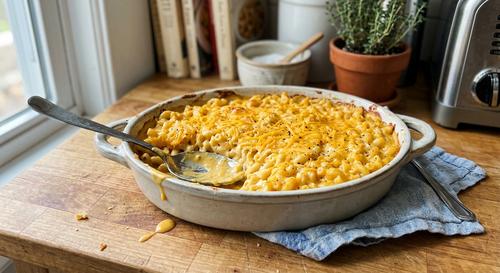
Description: A velvety, high-protein macaroni and cheese made with blended cottage cheese and sharp cheddar. Easy, quick, and designed for steady fat loss.
Prep Time: 5 minutes | Cook Time: 10 minutes
Servings: 4
Macros per Serving | Calories: 385 | Protein: 33g | Fat: 12g | Carbohydrates: 38g
Ingredients
- 8 oz high-protein elbow macaroni
- 1 ½ cups 2% low-fat cottage cheese
- 4 oz extra-sharp yellow cheddar cheese, freshly shredded (divided: 3 oz for sauce, 1 oz for topping)
- ½ cup unsweetened almond milk
- 2 tbsp nutritional yeast
- 1 tsp Dijon mustard
- ½ tsp garlic powder
- ½ tsp onion powder
- ¼ tsp smoked paprika
- ½ tsp kosher salt
- ¼ tsp freshly ground black pepper
Instructions
- Boil the high-protein elbow macaroni in salted water until al dente, reserve ¼ cup of pasta water, then drain and set aside in the pot.
- Place cottage cheese, milk, 3 ounces of cheddar, nutritional yeast, Dijon, garlic powder, onion powder, smoked paprika, salt, and pepper into a high-speed blender.
- Blend on high speed for 60 to 90 seconds until completely silky and smooth with no curds left.
- Pour the cheese sauce over the drained warm noodles in the pot over low heat.
- Stir gently for 2 to 3 minutes until warm, adding splashes of reserved pasta water if needed to loosen the sauce.
- Optional: Pour into an oven-safe dish, top with the remaining 1 ounce of shredded cheddar, and broil on high for 2 to 3 minutes until browned and bubbly.
Notes
Never let the sauce boil on the stove. Excessive heat will cause cottage cheese proteins to break and separate. Grate your own cheddar block for the creamiest melt.
FAQs About Mac n Cheese For Weight Loss
Here are some straightforward answers to the most common questions I receive about this mac n cheese recipe.
Can I eat mac n cheese while actively trying to lose weight?
Yes, you can absolutely eat macaroni and cheese while losing body fat. Fat loss depends entirely on sustaining a moderate calorie deficit over time, not on banning specific comfort food dishes from your kitchen.
Traditional boxed or restaurant recipes pack hundreds of calories from heavy cream and excess butter without offering much protein. By building your sauce around blended low-fat cottage cheese and using protein-fortified noodles, this recipe delivers over 30 grams of muscle-building protein per serving. It fills you up completely while easily fitting inside your daily macronutrient targets.
Does the cottage cheese make this mac n cheese taste sour?
Not at all. When you blend 2% low-fat cottage cheese alongside sharp cheddar, Dijon mustard, nutritional yeast, and savory spices, the curds disappear and the mild tang transforms completely.
The extra-sharp cheddar dominates the flavor profile while the garlic, onion powder, and smoked paprika round it out into a classic, savory cheese sauce. Even kids and picky eaters who dislike the texture of plain cottage cheese eat this without ever suspecting what makes the sauce so rich.
What is the best type of pasta for a fat loss mac n cheese?
Chickpea pasta, yellow pea pasta, or lentil-blend elbow noodles work best for this recipe. These varieties naturally pack double the protein and three times the dietary fiber of standard white enriched wheat pasta.
Fiber slows down your digestion and stabilizes blood glucose levels, which protects you from the energy crashes that trigger intense sugar cravings later in the day. If you dislike legume pastas, modern protein-plus wheat noodles provide a familiar texture with solid protein upgrades.
Why did my mac n cheese sauce turn grainy on the stove?
A grainy texture happens when the cheese sauce gets exposed to direct, excessive heat on the stovetop. Cottage cheese is rich in delicate dairy whey and casein proteins that curdle and separate if allowed to boil.
Keep your stove burner set to low heat when combining the blended sauce with your cooked pasta. Stir gently and continuously just until everything is warmed through, and remove the pot from the heat source immediately once it is hot.
How do I keep leftover mac n cheese creamy when reheating it?
High-protein pasta noodles continue to soak up moisture as they sit in the refrigerator, which can make leftover portions look dry the next day. The fix is remarkably simple.
Before microwaving your portion, splash one or two tablespoons of unsweetened almond milk or water over the top. Microwave on medium power for 60 to 90 seconds, then stir vigorously to bring the velvety emulsion right back to life.
Try These High-Protein Recipes Next
If you loved making this easy comfort food, check out these delicious pasta dishes to keep your fat loss journey fun and flavorful.
- Creamy High-Protein Mac and Cheese: A fantastic low-calorie staple that brings intense cheesy comfort to your dinner rotation.
- Easy Stovetop Macaroni and Cheese: A lightning-fast weeknight version built for hectic schedules and zero-motivation evenings.
- Homemade Mac and Cheese by This Gal Cooks: A delicious, traditional scratch-made pasta bake that serves as great inspiration for weekend family dinners.
Pick one of these meals for your dinner prep this week and show yourself how easy flexible dieting can be.