
For years, my diet felt like a revolving door of chicken breast and broccoli. It worked for a while, but my ADHD brain was screaming for something, anything, different. The monotony was crushing my motivation, and I found myself slipping back into old habits, ordering takeout because I just couldn’t face another bland piece of chicken. I knew I needed to find meals that felt like a reward but still pushed me toward my fat loss goals. That’s when I rediscovered mahi mahi.
I used to think of mahi mahi as something you only order at a nice restaurant on vacation. It seemed complicated and expensive. But on a whim, I bought a bag of frozen fillets and decided to experiment. I wanted that smoky, savory flavor I loved, but without a ton of work or a complicated sauce. After a few tries, I landed on this simple blackened seasoning blend and a foolproof baking method.
This baked mahi mahi recipe was a total game-changer for me. It takes less than 20 minutes from start to finish, the cleanup is almost nonexistent, and the flavor is incredible. It broke me out of my food rut and proved that eating for fat loss didn’t have to be boring. It’s a perfect example of the ADHD FIT philosophy: brutally practical, packed with flavor, and designed to make consistency feel easy.
This is now a staple in my rotation, and I’m excited to share it with you.
Skip to My Flexibe Diet Recipe!
Why This Mahi Mahi Recipe Is Great For Fat Loss
When it comes to fat loss, the formula is simple but not always easy: you need to manage your calories and eat enough protein. This recipe is specifically designed to hit both of those targets without making you feel like you’re on a restrictive diet. Remember, food is about 75 percent of your results, and making smart choices here is what truly moves the needle.
First, mahi mahi is an absolute protein powerhouse. A single six-ounce fillet packs around 39 grams of protein for just over 200 calories. That protein is critical for a few reasons. It helps you build and maintain lean muscle, which keeps your metabolism running efficiently. More importantly, protein is incredibly satiating. It keeps you feeling full and satisfied for hours, which is our number one weapon against cravings and mindless snacking.
An under-fed ADHD brain is an impulsive one. When you’re full and your body has the fuel it needs, you’re far less likely to get derailed by the promise of a quick dopamine hit from junk food. This recipe fills you up and shuts down that “what can I eat next” chatter.
We also keep things lean by creating massive flavor from spices, not from fat. The blackened seasoning blend gives you that smoky, savory, slightly spicy kick without adding any significant calories. We use just a tablespoon of heart-healthy olive oil for the entire recipe, which is just enough to help the spices stick and ensure the fish bakes perfectly. No heavy, cream-based sauces or breading needed. This is how you create a meal that tastes indulgent while being incredibly aligned with your fat loss goals. It’s about working smarter, not harder.
Ingredients You’ll Need for This Mahi Mahi Recipe
One of the best parts about this recipe is its simplicity. We’re using common pantry spices to create a flavor that tastes like it came from a restaurant kitchen. There’s nothing exotic here, which means you can probably make this tonight without a special trip to the store. This is key for staying on track on those low-motivation days.
Here’s exactly what you’ll need:
- 4 (6-ounce) mahi-mahi fillets, fresh or thawed
- 1 tablespoon olive oil
- 1 teaspoon smoked paprika
- 1 teaspoon onion powder
- 1 teaspoon garlic powder
- ½ teaspoon dried thyme
- ½ teaspoon dried oregano
- ¼ teaspoon cayenne pepper (or more to taste)
- ½ teaspoon black pepper
- ¼ teaspoon salt
- 1 lemon, cut into wedges
- Fresh parsley, chopped (for garnish)
The secret weapon in this spice blend is the smoked paprika. Do not substitute this with regular or sweet paprika if you can help it. Smoked paprika is made from peppers that are smoked and dried over oak fires, and it imparts a deep, smoky, almost bacon-like flavor that is absolutely incredible. It’s what gives this baked mahi mahi its signature “blackened” taste without a cast iron skillet full of smoke.
For the mahi mahi itself, don’t hesitate to use frozen fillets. They are often frozen at sea right after being caught, which means they can be even fresher than the “fresh” fish at the counter. They are also more affordable and perfect for keeping on hand. Just make sure to thaw them properly in the fridge overnight for the best texture. The goal is a firm, mild fish that provides the perfect canvas for our bold seasonings.
How To Make This Mahi Mahi Recipe (Step-By-Step)
We’re keeping this process as simple as possible. Minimal steps, minimal cleanup. The key is a little bit of prep and a hot oven. Lining your baking sheet with parchment paper is a non-negotiable step. Trust me, it makes cleanup so easy you’ll actually feel motivated to cook more often.
Step 1: Preheat Your Oven and Prep Your Pan
First things first, get your oven preheating to 425°F (220°C). Doing this at the very beginning ensures the oven is fully heated by the time your fish is ready to go in. A hot oven is crucial for cooking the fish quickly and evenly. While it heats, grab a baking sheet and line it with parchment paper. This prevents the fish from sticking and means you can just toss the paper away when you’re done.
Step 2: Combine the Seasoning Blend
In a small bowl, add the smoked paprika, onion powder, garlic powder, thyme, oregano, cayenne pepper, black pepper, and salt. Whisk them together with a fork until they’re evenly combined. Here’s an ADHD-friendly tip: make a triple or quadruple batch of this spice mix and store it in an airtight container or an old spice jar. That way, the next time you make this, you can skip this step entirely.
Step 3: Pat the Mahi Mahi Fillets Dry
This is the most important technical step in the entire recipe. Use paper towels to pat your mahi mahi fillets completely dry on all sides. Moisture is the enemy of a good sear or roast. A dry surface allows the oil to stick and the spices to form a delicious crust. If the fish is wet, it will steam in the oven, resulting in a softer, less flavorful texture.
Step 4: Oil and Season the Fish
Brush both sides of the dry fillets with the olive oil. The oil acts as a binder, helping the spice mix adhere to the fish. Now, generously sprinkle the seasoning mixture over all sides of the fillets. Don’t be shy here. Use your hands to gently press the spices onto the fish to make sure you have a nice, even coating.
Step 5: Arrange and Bake
Place the seasoned fillets on your parchment-lined baking sheet. Make sure to leave some space between each piece of fish. If you overcrowd the pan, the fillets will steam instead of roast, which is exactly what we avoided by patting them dry. Bake for 10-15 minutes. The exact time will depend on the thickness of your fillets. The fish is done when it’s opaque all the way through and flakes easily when you press it with a fork. If you have a meat thermometer, you’re looking for an internal temperature of about 137°F (58°C).
Step 6: Garnish and Serve
As soon as the mahi mahi comes out of the oven, squeeze the fresh lemon wedges all over the top. The bright acidity of the lemon juice cuts through the smoky spices and elevates all the flavors. Garnish with a sprinkle of fresh chopped parsley for a bit of color and freshness. Serve immediately and enjoy.
How To Serve This Mahi Mahi Recipe (ADHD-Friendly)
The main course is done, but now you have to figure out the rest of the meal. For the ADHD brain, this can be where decision fatigue kicks in and you end up just eating the fish by itself. To avoid this, we use a simple “plug-and-play” formula: Protein + Carb + Veggie. Your delicious mahi mahi is the protein. Now just pick one simple option from the other two categories.
The key here is to lean on convenience. Your main dish is homemade and healthy; it’s perfectly fine to use store-bought shortcuts for the sides. We are aiming for a sustainable lifestyle, not perfection.
Here are some brutally practical side dish ideas that require almost zero extra effort:
- Easy Carb Sources: Grab a pouch of microwavable rice or quinoa. They cook in 90 seconds. Another great option is to bake a sweet potato alongside the fish. Or, flake the mahi mahi and serve it in warm corn tortillas for instant fish tacos.
- Effortless Veggies: A bagged salad kit is your best friend. A Caesar or Southwest style kit pairs beautifully with the blackened seasoning. You can also toss a steam-in-the-bag package of broccoli or green beans into the microwave while the fish bakes.
- Simple Salsas and Sauces: Top your mahi mahi with a spoonful of your favorite store-bought salsa or a simple mango salsa for a tropical twist. A dollop of plain Greek yogurt mixed with a squeeze of lime juice and a pinch of salt also makes a fantastic, high-protein creamy sauce.
By having a few of these easy options on hand, you can build a complete, balanced, and delicious meal in under 20 minutes. This removes the mental load of planning a multi-component dinner and makes it so much easier to stay consistent with your goals.
How To Store, Reheat, and Reuse This Mahi Mahi Recipe
Meal prep and leftovers are a huge part of building a sustainable fat-loss lifestyle. Cooking once and eating twice (or even three times) is a fantastic way to save time and energy. However, leftover fish can be tricky. If you reheat it the wrong way, you can end up with a rubbery, dry piece of fish and an unpleasant smell.
Here’s the best way to handle your leftover mahi mahi:
- Storage: Once the fish has cooled completely, store it in an airtight container in the refrigerator. It will stay fresh for up to 3 days. I don’t recommend pushing it much beyond that for the best taste and texture.
- Reheating: The microwave is not your friend here. The best way to reheat the fillet is gently in a covered skillet over low heat with a splash of water or lemon juice to create a little steam. You can also warm it in a toaster oven or a regular oven at a low temperature (around 300°F) until it’s just heated through. The goal is to warm it, not cook it again.
Honestly, my favorite way to use leftover mahi mahi is to not reheat it at all. The ADHD brain craves novelty, and eating the exact same meal two days in a row can feel like a chore. Instead, I like to transform the leftovers into something new. Cold, flaked mahi mahi is delicious and can be used in a bunch of different ways.
Break it up and toss it into a big salad for a quick, high-protein lunch. Mix the flaked fish with a little plain Greek yogurt, diced celery, and a squeeze of lemon for an incredible mahi mahi salad. You can eat it with crackers, in a lettuce wrap, or on a slice of whole-grain toast. This way, you get the benefit of your past cooking efforts without the boredom of eating the same thing again.
Easy Swaps & Variations for This Mahi Mahi Recipe
The best recipes are flexible. Life happens, you might not have every single ingredient, or maybe you just want to try something a little different. This mahi mahi recipe is incredibly adaptable, which is perfect for working with what you have on hand and keeping things interesting. Our goal is consistency, not rigid perfection, so feel free to make these changes.
Here are some simple swaps and variations that work great:
- Different Fish: If you can’t find mahi mahi or want to use another fish, any firm white fish will work well. Cod, halibut, and grouper are excellent choices. You can even use tilapia or pollock, but keep in mind they are thinner fillets, so you will need to reduce the baking time by a few minutes.
- Spice Blend Adjustments: This seasoning is a template. If you love heat, double the cayenne pepper or add a pinch of red pepper flakes. If you don’t have thyme or oregano, you can leave one out without ruining the dish. As a major shortcut, you can also use 2-3 teaspoons of a pre-made Cajun or blackened seasoning blend instead of the individual spices.
- Cooking Method: This recipe is fantastic in the air fryer. Cook at 400°F for about 7-10 minutes, flipping halfway through. The circulating air will give the fish an even crispier crust. The seasoning is also perfect for grilling. Just make sure your grill grates are clean and well-oiled, and grill over medium-high heat for 3-4 minutes per side.
- Citrus Swap: No lemons? A squeeze of fresh lime juice at the end is just as delicious and provides that necessary acidic brightness to balance the smoky spices.
Don’t be afraid to experiment and make this recipe your own. The core principles remain the same: a lean protein source, bold flavor from spices, and a simple cooking method. As long as you stick to that, you’ll have a fantastic, fat-loss-friendly meal every time.
Easy 15-Minute Blackened Mahi Mahi
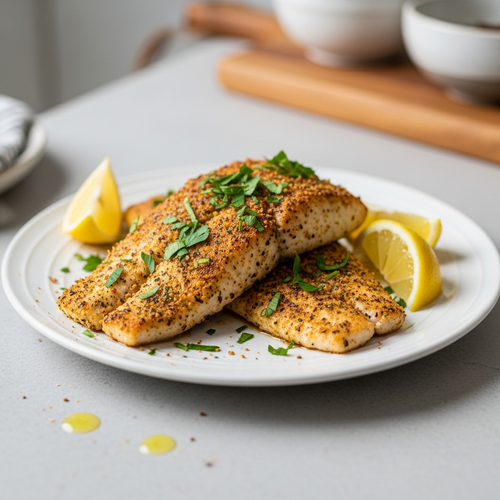
Description: A quick, high-protein mahi mahi recipe with a smoky, savory flavor that’s perfect for fat loss and busy weeknights.
Prep Time: 5 minutes | Cook Time: 10 minutes
Servings: 4
Macros per Serving | Calories: 210 | Protein: 39g | Fat: 5.5g | Carbohydrates: 1g
Ingredients
- 4 (6-ounce) mahi-mahi fillets, fresh or thawed
- 1 tablespoon olive oil
- 1 teaspoon smoked paprika
- 1 teaspoon onion powder
- 1 teaspoon garlic powder
- ½ teaspoon dried thyme
- ½ teaspoon dried oregano
- ¼ teaspoon cayenne pepper (or more to taste)
- ½ teaspoon black pepper
- ¼ teaspoon salt
- 1 lemon, cut into wedges
- Fresh parsley, chopped (for garnish)
Instructions
- Preheat oven to 425°F (220°C) and line a baking sheet with parchment paper.
- In a small bowl, combine all spices, salt, and pepper.
- Pat the mahi-mahi fillets completely dry with paper towels.
- Brush both sides of the fillets with olive oil, then generously coat with the seasoning mixture.
- Arrange the fillets on the prepared baking sheet.
- Bake for 10-15 minutes, until the fish flakes easily with a fork.
- Squeeze fresh lemon juice over the top and garnish with parsley before serving.
Notes
Both fresh and thawed frozen mahi-mahi work perfectly for this recipe. Be careful not to overcook the fish, as it can become dry. The internal temperature should reach 137°F (58°C).
FAQs About This Mahi Mahi Recipe For Weight Loss
Here are some straightforward answers to the most common questions I receive about this mahi mahi recipe.
Can I use frozen mahi mahi for this recipe?
Absolutely. In fact, I often prefer using frozen mahi mahi. It’s typically more affordable and just as high-quality as fresh, since it’s often flash-frozen right on the boat, preserving its freshness and flavor. It’s also a fantastic ADHD-friendly pantry staple to have on hand for days when you haven’t planned ahead.
The key to using frozen fish is to thaw it properly. The best method is to place it in the refrigerator overnight. This slow, gentle thaw helps maintain the firm texture of the fish. If you’re short on time, you can place the sealed fillets in a bowl of cold water for about 30-60 minutes. Just make sure to pat the fillets completely dry with paper towels before seasoning them, as this is critical for getting the best results.
What makes this mahi mahi recipe good for a weight loss diet?
This recipe is designed from the ground up to support fat loss by focusing on our core principles. First and foremost, it’s incredibly high in protein and low in calories. A generous six-ounce serving provides nearly 40 grams of protein, which is vital for feeling full and satisfied. This high level of satiety helps crush cravings and prevents the impulsive snacking that can often derail progress, especially for those of us with ADHD.
Second, we create a ton of flavor without adding a lot of fat or sugar. The smoky, savory blackened seasoning makes the meal feel indulgent and exciting, which helps you stick with your plan long-term because you don’t feel deprived. It’s simple to make, which increases consistency. When a meal is this easy and delicious, it becomes a reliable go-to, helping you build the habits that lead to lasting results.
How do I know when my mahi mahi is cooked perfectly?
The fear of overcooking or undercooking fish is real, but there are a couple of easy ways to tell when your mahi mahi is done. The most reliable method is the visual test. A raw mahi mahi fillet is translucent and pinkish-gray. As it cooks, it will turn opaque and white. The fish is perfectly cooked when it’s opaque all the way to the center.
The second test is the “flake test.” Take a fork and gently press it into the thickest part of the fillet. If the fish flakes apart easily into nice, chunky pieces, it’s ready. If it’s still resistant or feels rubbery, it needs another minute or two. Be careful, as there’s a fine line between perfectly cooked and dry. It’s always better to err on the side of slightly undercooked, as the fish will continue to cook for a minute or two from residual heat after you take it out of the oven.
My spices won’t stick to the mahi mahi. What am I doing wrong?
This is a common issue, and it almost always comes down to two simple things: moisture and a lack of binder. First, your fish fillets must be as dry as possible. After you thaw them, use paper towels to pat every surface of the fish until it feels dry to the touch. Any excess water on the surface will prevent the oil and spices from adhering and will cause the fish to steam in the oven.
Second, you need the olive oil to act as a glue. Make sure you brush a thin, even layer of oil over the entire fillet before you add the seasoning. This gives the spice rub something to cling to. Once you sprinkle the spices on, use your hands to gently press them into the fish. This simple step helps the seasoning form a cohesive crust that will stay put during baking.
Is mahi mahi a healthy fish to eat regularly?
Yes, mahi mahi is a fantastic and healthy choice to include in your diet. It’s an excellent source of lean protein, which we’ve established is crucial for fat loss and overall health. It’s also rich in essential nutrients like vitamin B12, selenium, potassium, and niacin. While it doesn’t have as many omega-3 fatty acids as fatty fish like salmon, it still provides a healthy amount.
Some people worry about mercury levels in fish. According to guidelines from the FDA, mahi mahi is listed as a “Good Choice,” meaning it is safe to eat one serving per week as part of a healthy, varied diet. This fits perfectly into our philosophy of flexible eating. You shouldn’t eat the same thing every single day anyway. Rotating mahi mahi with other protein sources like chicken, salmon, lean beef, and plant-based options is a great strategy for a balanced and sustainable diet.
Try These High-Protein Recipes Next
If you loved how simple and delicious this mahi mahi was, here are a few other high-protein recipes you should try.
- Easy Lemon Dill Salmon Recipe: Another incredibly fast fish recipe that uses just a handful of ingredients for a bright, fresh flavor.
- The Best Baked Salmon Recipe: A classic, foolproof method for cooking salmon that’s perfect for meal prep and always comes out moist and delicious.
- Blackened Fish Tacos: Take the blackened seasoning skills you learned from this recipe and apply them to tacos. A super fun and satisfying meal.
These are all designed to keep you on track with your fitness goals without ever boring your taste buds.