
Spaghetti has always been one of my ultimate comfort foods. Growing up, it was the go-to weeknight meal, the thing my mom would make that always felt like a warm hug in a bowl. When I started my fitness journey and set out to lose 65 pounds, it was one of the first foods I thought I had to say goodbye to forever.
That all-or-nothing thinking is a classic ADHD trap. We think we have to be perfect, follow a punishingly strict diet, and give up everything we love. For a while, I tried that. It was miserable, and it never lasted. I’d restrict myself, then crash and binge on the very things I was avoiding.
The breakthrough came when I realized the goal wasn’t to eliminate my favorite foods, but to rebuild them. I needed a version of spaghetti that worked with my goals, not against them. A recipe that was high in protein, packed with nutrients, and still delivered that comforting, delicious flavor I craved.
This recipe is the result of that journey. It’s a powerhouse meal designed for fat loss, but it doesn’t taste like “diet food.” It’s built to manage hunger, reduce cravings, and be simple enough to make even on a low-energy day. This is how we make a fit lifestyle sustainable. We adapt, we don’t eliminate.
Skip to My Flexibe Diet Recipe!
Why This High-Protein Spaghetti Is Great For Fat Loss
Let’s get one thing straight. No single food makes you gain or lose weight. Fat loss is about maintaining a consistent calorie deficit over time. The challenge, especially for the ADHD brain, is making that process feel less like a punishment and more like a sustainable lifestyle. This high-protein spaghetti recipe is engineered to do exactly that.
The number one principle here is Protein First. We use a full pound of lean ground turkey and sneak in blended low-fat cottage cheese. This massive protein punch does two critical things. First, it keeps you feeling full and satisfied for hours, which is your greatest weapon against mindless snacking and cravings. Second, protein is essential for building and maintaining muscle, and more muscle means a faster metabolism.
Next, we focus on volume and fiber without a ton of extra calories. The finely chopped mushrooms and fresh spinach bulk up the sauce significantly. This means you get a huge, satisfying portion on your plate, which helps trick your brain into feeling like you’re eating a massive meal. The fiber from the veggies and the high-protein pasta also aids in digestion and satiety.
Finally, this recipe honors the principle of flexible eating. It tastes rich, savory, and deeply satisfying. It’s not a bland, watery “diet” version. By building in meals that you genuinely enjoy, you eliminate the need for restrictive “cheat days.” This isn’t cheating. This is the plan. It’s a delicious meal that fuels your body and supports your goals, making it easier to stay consistent long-term.
Ingredients You’ll Need for Spaghetti
We’re using simple, accessible ingredients to build a truly phenomenal spaghetti sauce. The key is using smart swaps to boost protein and nutrients without sacrificing flavor. This list is all about working smarter, not harder.
The secret weapon in this recipe is the blended low-fat cottage cheese. Before you get weirded out, hear me out. When you blend it until it’s completely smooth, it loses its texture and transforms into a creamy, protein-packed base that melts right into the sauce. It adds a wonderful richness and an incredible amount of protein with very few calories. It’s a total game-changer.
- 1 lb 93% lean ground turkey or chicken: I prefer 93% lean because it has enough fat to stay moist and flavorful, unlike the 99% lean version which can get dry.
- 1 tbsp olive oil
- 1 medium yellow onion, diced
- 8 oz button mushrooms, finely chopped: These add a savory, umami depth and bulk up the sauce. Chop them finely and they’ll disappear, perfect for picky eaters.
- 2 cloves garlic, minced
- 1 (28 oz) can crushed tomatoes: Look for a brand with no added sugar. The quality of your tomatoes really makes a difference here.
- 1 (6 oz) can tomato paste
- 1 cup beef, chicken, or vegetable broth
- 1 tsp dried oregano
- 1 tsp dried basil
- 1/2 tsp red pepper flakes (optional)
- Salt and freshly ground black pepper to taste
- 8 oz high-protein or chickpea spaghetti: This is a crucial swap. These pastas have significantly more protein and fiber than traditional pasta, which will keep you fuller for longer.
- 2 cups fresh spinach
- 1/2 cup low-fat cottage cheese (optional, for creaminess and extra protein)
- 1/4 cup grated Parmesan cheese, plus more for serving: Using real, freshly grated Parmesan will give you much more flavor than the pre-shredded kind.
- Fresh basil or parsley, chopped for garnish
How To Make Spaghetti (Step-By-Step)
This recipe is designed to be straightforward. We’re going to build layers of flavor in one pot, which also means less cleanup. A heavy-bottomed pot or a Dutch oven is perfect for this, as it distributes heat evenly and prevents scorching.
Step 1: Brown The Ground Turkey
Heat the olive oil in your pot over medium-high heat. Add the ground turkey and let it cook, breaking it apart with a spoon. The goal here isn’t just to cook it through, but to get some nice brown bits on the meat. That browning process creates a ton of flavor that will form the foundation of your sauce.
Step 2: Sauté The Aromatics
Once the turkey is browned, add the diced onion and finely chopped mushrooms. Sauté them right in the pot with the turkey for about 5-7 minutes. You want the onions to become soft and translucent and the mushrooms to release their moisture and shrink. Then, stir in the minced garlic and cook for just another minute until you can smell it. Don’t let the garlic burn.
Step 3: Build The Sauce Base
Now, stir in the tomato paste. Let it cook for a minute or two, stirring it into the meat and veggie mixture. This step is important because it “toasts” the tomato paste, which deepens its flavor and removes any raw, tinny taste. After that, pour in the crushed tomatoes, broth, and all your dried spices: oregano, basil, and red pepper flakes.
Step 4: Let The Sauce Simmer
Give everything a good stir, season with salt and pepper, and bring the sauce to a lively simmer. Then, reduce the heat to low, put the cover on, and let it be. Thirty minutes is good, but an hour is even better. This is where all the flavors meld together into something magical. ADHD Tip: Set a timer and walk away. Don’t hover.
Step 5: Cook The High-Protein Pasta
While the sauce is doing its thing, it’s time to cook your pasta. Bring a large pot of water to a rolling boil and add a generous amount of salt. It should taste like the ocean. Cook the pasta according to the package directions until it’s “al dente,” which means it still has a slight bite. It will cook a little more in the sauce.
Step 6: Add The Creamy Protein Boost
While the pasta cooks, blend your cottage cheese in a small blender or food processor until it is perfectly smooth. This is a non-negotiable step to get that creamy texture. Once the sauce has simmered, stir in the blended cottage cheese and the grated Parmesan cheese until everything is melted and combined.
Step 7: Wilt The Spinach
Add the fresh spinach directly into the hot sauce. It will look like an impossible amount, but trust the process. Stir it for 2-3 minutes, and it will wilt down into almost nothing, adding a ton of nutrients without changing the flavor.
Step 8: Combine The Pasta And Sauce
Drain your cooked pasta well, but don’t rinse it. Add the drained pasta directly into the pot with the finished sauce. Tossing the pasta in the sauce ensures that every single strand is perfectly coated. This is far superior to just spooning sauce over a pile of naked pasta.
Step 9: Serve And Garnish
Serve the spaghetti immediately. Top each bowl with an extra sprinkle of Parmesan cheese and some fresh, chopped basil or parsley. The fresh herbs at the end really brighten everything up and make it feel like a restaurant-quality meal.
How To Serve Spaghetti (ADHD-Friendly)
Making a healthy meal is only half the battle. The other half is making it easy to eat in a way that supports your goals, especially when your brain is already juggling a million other things. Here’s how to make serving this spaghetti work for you.
First, let’s talk about portioning. The impulse can be to just fill a giant bowl, but that can derail your progress. If you are tracking macros, use a food scale to weigh out a serving. If you’re not, use a smaller bowl than you normally would. Visual cues matter. This simple trick can help you manage portions without obsessive counting. The best ADHD-friendly tip is to portion out all servings into individual containers right after you cook. This front-loads the effort and removes future decision fatigue.
Keep your side dishes brutally simple. We are not trying to create a multi-course meal on a Tuesday night.
- Bagged Salad Kits: These are your best friend. All the chopping and prep work is done for you. Just open the bag, toss with the included dressing, and you have a perfect side.
- Steamed Veggies: A bag of frozen broccoli or green beans that you can steam in the microwave is another zero-effort way to add more green stuff to your plate.
- Garlic Bread: Yes, you can have garlic bread. Just plan for it. A single slice of frozen garlic toast from the air fryer can satisfy that craving without going overboard.
The goal is a balanced, satisfying plate that doesn’t require a ton of extra steps. This spaghetti is already packed with protein and veggies, so a simple side is all you need to round out the meal and make it feel complete. Don’t overcomplicate it.
How To Store, Reheat, and Reuse Spaghetti
Leftovers are a cornerstone of a sustainable eating plan, especially for those of us with ADHD. Cooking once and eating two or three times is a massive win. It saves time, energy, and mental bandwidth on busy days. This spaghetti recipe is fantastic for meal prep and tastes just as good, if not better, the next day.
Proper storage is simple. Once the spaghetti has cooled down a bit, transfer it to airtight containers. I highly recommend portioning it out into single-serving containers right away. That way, you have perfect grab-and-go lunches or dinners ready for the week. No thinking required. In the refrigerator, the leftovers will stay fresh and delicious for up to 4 days.
When it’s time to reheat, you have a couple of easy options:
- Microwave: The fastest and easiest method for a single portion. Put the spaghetti in a microwave-safe bowl, add a tablespoon of water or broth to create some steam, and cover it with a damp paper towel. This prevents it from drying out. Heat for 60-90 seconds, stir, and heat again until it’s hot all the way through.
- Stovetop: This works well for reheating larger quantities. Place the spaghetti in a saucepan over medium-low heat. Add a splash of broth or water to loosen the sauce and prevent sticking. Stir occasionally until it’s heated through.
Want to get creative? You can easily transform your leftovers. My favorite way is to turn them into a quick spaghetti bake. Just put the leftover spaghetti in an oven-safe dish, top it with a little mozzarella cheese, and bake at 375°F (190°C) for 15-20 minutes, or until the cheese is melted and bubbly. It feels like a whole new meal with zero extra effort.
Easy Swaps & Variations for Spaghetti
The best recipes are the ones you can adapt to what you have on hand or what fits your specific needs. Flexibility is the key to consistency. This spaghetti recipe is incredibly forgiving and easy to modify. Don’t be afraid to make it your own.
Here are some simple swaps you can make based on what’s in your fridge or your dietary preferences:
- Protein Swaps: If you’re not a fan of turkey, 90% lean ground beef works beautifully and gives a classic, rich flavor. You can also use ground chicken or even Italian turkey sausage with the casings removed for a spicier kick. For a vegetarian version, swap the meat for a cup of brown or green lentils or your favorite plant-based ground “meat.”
- Vegetable Add-ins: This sauce is a great vehicle for extra veggies. Feel free to add finely diced zucchini, bell peppers, or carrots along with the onions and mushrooms. If you don’t like mushrooms, you can simply omit them. Kale is also a great substitute for spinach.
- Pasta Alternatives: Any high-protein or whole wheat pasta will work. For a lower-carb option, serve the sauce over zucchini noodles (zoodles) or spaghetti squash. Just be aware that this will change the macros and may be less satiating for some people.
- Dairy-Free Option: To make this dairy-free, simply skip the cottage cheese and Parmesan. The sauce will be less creamy but still delicious. For a bit of creaminess, you can stir in a scoop of unsweetened, plain coconut or almond-based yogurt at the end.
Remember, the goal is a meal that you enjoy and that fits your lifestyle. Use this recipe as a template and adjust it to make it perfect for you.
High-Protein, ADHD-Friendly Spaghetti
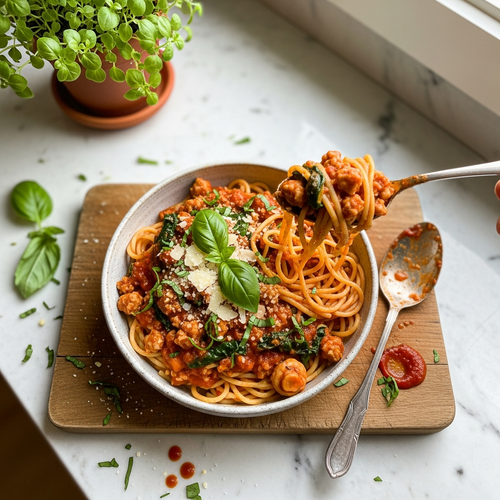
Description: A satisfying and macro-friendly spaghetti recipe designed to keep you full, crush cravings, and support your fat loss goals without feeling restrictive.
Prep Time: 15 minutes | Cook Time: 45 minutes
Servings: 4
Macros per Serving | Calories: 475 | Protein: 53g | Fat: 9g | Carbohydrates: 45g
Ingredients
- 1 lb 93% lean ground turkey or chicken
- 1 tbsp olive oil
- 1 medium yellow onion, diced
- 8 oz button mushrooms, finely chopped
- 2 cloves garlic, minced
- 1 (28 oz) can crushed tomatoes
- 1 (6 oz) can tomato paste
- 1 cup beef, chicken, or vegetable broth
- 1 tsp dried oregano
- 1 tsp dried basil
- 1/2 tsp red pepper flakes (optional)
- Salt and freshly ground black pepper to taste
- 8 oz high-protein or chickpea spaghetti
- 2 cups fresh spinach
- 1/2 cup low-fat cottage cheese (optional)
- 1/4 cup grated Parmesan cheese, plus more for serving
- Fresh basil or parsley, chopped for garnish
Instructions
- Heat olive oil in a large pot. Add ground turkey and cook until browned.
- Add onion and mushrooms and sauté until softened (5-7 mins). Stir in garlic and cook for 1 more minute.
- Stir in crushed tomatoes, tomato paste, broth, and all dried spices. Season with salt and pepper.
- Bring to a simmer, then reduce heat to low, cover, and cook for at least 30 minutes.
- While sauce simmers, cook spaghetti according to package directions.
- Blend cottage cheese until smooth. Stir smooth cottage cheese and Parmesan into the sauce.
- Stir in fresh spinach until wilted (2-3 mins).
- Drain pasta and add it directly to the sauce. Toss to combine.
- Serve immediately, garnished with extra Parmesan and fresh herbs.
Notes
For the best texture, make sure to blend the cottage cheese until it is completely smooth. For a richer, more developed flavor, allow the sauce to simmer for up to an hour.
FAQs About Spaghetti For Weight Loss
Here are some straightforward answers to the most common questions I receive about this spaghetti recipe.
Can you really eat spaghetti and still lose weight?
Absolutely, yes. The idea that you have to eliminate entire food groups like pasta to lose weight is a myth that leads to restrictive, unsustainable diets. Fat loss comes down to being in a consistent calorie deficit, meaning you consume fewer calories than your body burns. The key is not what you eat, but how you build the meal.
A typical restaurant spaghetti can pack over 1,000 calories with high amounts of refined carbs, fat, and sodium, and relatively low protein. This recipe completely flips that script. By using lean protein, high-protein pasta, and lots of vegetables, we’re creating a meal that is high in protein and fiber, moderate in calories, and incredibly filling. This version of spaghetti keeps you satisfied and helps you stay within your calorie goals, making weight loss feel less like a sacrifice and more like a choice.
What is the best pasta for weight loss spaghetti?
The “best” pasta is one that helps you stay full and satisfied while supporting your nutritional goals. For this spaghetti recipe, I strongly recommend using a high-protein or legume-based pasta, like those made from chickpeas, lentils, or edamame. These options typically have double the protein and significantly more fiber than traditional white pasta. This protein-fiber combination slows down digestion, which helps manage blood sugar levels and keeps you feeling full for a much longer period. This is a huge advantage when you’re in a calorie deficit.
Whole wheat pasta is another good option, as it also contains more fiber than its white counterpart. While lower-carb alternatives like zucchini noodles or spaghetti squash can be useful for reducing calories, I often find they don’t provide the same level of satisfaction for most people, which can sometimes lead to cravings later. For sustainable fat loss, satisfaction is just as important as calories.
How can I add even more protein to my spaghetti?
This recipe is already a protein powerhouse, but if you want to boost it even further, you have several easy options. The first is to increase the amount of lean meat or use a combination of ground turkey and turkey sausage. Another great trick is to use bone broth instead of regular chicken or beef broth when making the sauce. Bone broth can contain up to 10 grams of protein per cup, and it adds a wonderful depth of flavor.
You can also stir a scoop of unflavored collagen peptides directly into the simmering sauce. It dissolves completely and is tasteless, adding an extra 10-20 grams of protein without anyone knowing it’s there. Finally, if you’re not already using the blended cottage cheese, that is by far one of the easiest and most effective ways to add a significant protein boost while also making the sauce incredibly creamy.
How do I stop spaghetti cravings on a diet?
The best way to stop a craving is to satisfy it intelligently. Trying to fight, ignore, or suppress cravings is a losing battle, especially for the ADHD brain which often seeks dopamine from food. The “forbidden fruit” effect is real. The more you tell yourself you *can’t* have something, the more you’ll want it, often leading to an eventual binge where you eat far more than you would have otherwise.
The entire philosophy at ADHD FIT is built around flexible eating. Instead of banning spaghetti, we create a version that fits our goals. When a craving hits, you don’t have to fight it. You can eat this delicious, high-protein spaghetti, feel completely satisfied, and know that you are still perfectly on track with your fat loss plan. This approach removes the guilt and shame cycle and empowers you to enjoy your food while still making progress.
Is jarred spaghetti sauce okay for weight loss?
Using a store-bought jar of spaghetti sauce can be a fantastic shortcut, and it’s definitely okay for weight loss. It’s a perfect example of an ADHD-friendly hack for low-motivation days when making a sauce from scratch feels overwhelming. However, not all jarred sauces are created equal. The key is to become a savvy label reader.
Many popular brands are loaded with shocking amounts of added sugar, sodium, and unnecessary oils, which can quickly add hundreds of hidden calories to your meal. Look for a sauce with a simple, recognizable ingredient list. Your best bets are brands that specifically advertise “no added sugar.” Brands like Rao’s Homemade are famous for this, but many stores now have their own high-quality versions. A good jarred sauce is an excellent tool to have in your pantry.
Try These High-Protein Recipes Next
If you loved this brutally practical approach to making your favorite foods fit your goals, here are a few more recipes you should try.
- ADHD-Friendly Chicken Spaghetti: A creamy, cheesy, and macro-friendly take on the classic casserole, rebuilt to be high in protein and perfect for meal prep.
- The Only Spaghetti Sauce Recipe You’ll Ever Need: This is my go-to recipe for making a huge batch of versatile, flavorful red sauce that you can use for weeks.
- Easy Chicken Spaghetti from This Gal Cooks: A wonderfully comforting and straightforward chicken spaghetti recipe that feels like a classic family meal.
Each of these follows the same principles: prioritize protein, manage hunger, and always deliver on flavor.