
There are certain foods that feel like they belong to a different life. A life before I started paying attention to my macros, before I lost 65 pounds, before I realized that food was 75 percent of the battle. For me, the classic shortbread cookie was one of those foods. It was a holiday staple, a coffee shop impulse buy, a buttery, crumbly bite of pure comfort.
When I first started my fitness journey, I did what many of us do. I cut out everything I loved. No cookies, no treats, no wiggle room. It was all chicken breast and broccoli. And while it worked for a while, it was miserable. The cravings were intense, and it felt completely unsustainable.
I knew if I was going to make this last, I couldn’t live in a world without cookies. My ADHD brain thrives on novelty and rewards, and taking all of that away was a recipe for burnout. So I got to work. I wanted to create a shortbread cookie that I could eat without derailing my progress. A cookie that was high in protein, low in sugar, and actually tasted like the real thing.
This recipe is the result of that mission. It’s a simple, brutally practical way to enjoy a classic treat while staying on track with your fat loss goals. It satisfies the craving for something sweet and buttery, but it works with your body, not against it. This is how we build a sustainable lifestyle.
Skip to My Flexibe Diet Recipe!
Why Shortbread Cookie Is Great For Fat Loss
Let’s be direct. When you see a recipe for a shortbread cookie on a fitness site, you might be skeptical. I get it. Traditional shortbread is a fat-loss nightmare, loaded with butter, sugar, and white flour. It sends your blood sugar on a rollercoaster and leaves you craving more just minutes later. This recipe is different by design.
The foundation of our approach at ADHD FIT is “Protein First.” This isn’t just a catchy phrase; it’s the key to managing hunger. We’ve packed this recipe with a vanilla whey and casein blend protein powder. Protein is the most satiating macronutrient, meaning it helps you feel fuller for longer. A couple of these cookies won’t just satisfy your sweet tooth, they’ll actually help you hit your protein target for the day.
Next, we tackle the carb situation. Instead of empty white flour, we use a combination of fine almond flour and oat fiber. Almond flour provides healthy fats and a great texture, while oat fiber adds bulk with virtually no calories or net carbs. This combination keeps the cookies low-carb, preventing the blood sugar spike and subsequent crash that leads to more cravings.
This recipe is built for flexible eating, a core principle for anyone, but especially for those of us with ADHD. The all-or-nothing mindset of “cheat meals” often leads to a guilt spiral. Instead, we build small, planned indulgences into our routine. Having one or two of these high-protein shortbread cookies with your afternoon coffee is a planned treat, not a failure. It keeps you in control and makes the entire fat loss process feel less restrictive and more sustainable in the long run.
Ingredients You’ll Need for Shortbread Cookie
Building a better cookie starts with better ingredients. We aren’t just cutting out the bad stuff; we’re strategically adding in components that support our fitness goals. Every ingredient here has a purpose, designed to deliver that classic shortbread experience without the nutritional baggage.
The list is simple, which is crucial for staying consistent, especially on low-motivation days. We focus on ingredients that are easy to find and work together to create a fantastic texture and flavor. No weird, hard-to-source items that you’ll use once and then forget in the back of your pantry.
Here’s what you’ll need to make this shortbread cookie recipe:
- 1 cup fine almond flour
- 1/2 cup vanilla whey/casein blend protein powder
- 1/4 cup oat fiber
- 1/4 cup powdered erythritol or monk fruit sweetener
- 1/4 teaspoon salt
- 1/2 teaspoon baking powder
- 1/4 cup light butter or margarine, cold and cubed
- 2 tablespoons unsweetened almond milk
- 1 teaspoon vanilla extract
- 1/2 teaspoon butter extract (optional, for a richer flavor)
The key ingredient here is the vanilla whey/casein blend protein powder. This is non-negotiable for the best texture. A 100% whey isolate powder will often result in a dry, rubbery cookie. The casein in the blend helps retain moisture and creates a much more satisfying, tender crumb. It acts more like traditional flour in baking.
Also, make sure you use a powdered sweetener like erythritol or monk fruit. A granular sweetener won’t dissolve properly and will give the cookies a gritty texture. Finally, using cold, cubed butter is essential. Just like in traditional pastry, this method creates little pockets of fat that result in a flakier, more tender cookie.
How To Make Shortbread Cookie (Step-By-Step)
One of our core principles is to keep things brutally practical. A complicated recipe with a dozen steps is a recipe that never gets made, especially when executive function is low. This process is straightforward and designed to minimize mess and decision fatigue. Let’s get right into it.
Step 1: Preheat and Prep Your Station
First things first, preheat your oven to 325°F (165°C). While it’s heating up, grab a baking sheet and line it with parchment paper. This is a non-negotiable step. It prevents the cookies from sticking and makes cleanup a thousand times easier. An ADHD-friendly kitchen is one that minimizes cleanup.
Step 2: Combine the Dry Ingredients
In a medium-sized bowl, add your almond flour, vanilla protein powder, oat fiber, powdered sweetener, salt, and baking powder. Use a whisk to mix everything together thoroughly. This ensures the salt and baking powder are evenly distributed, which is key for a consistent flavor and texture in every single cookie.
Step 3: Cut in the Cold Butter
Now, add your cold, cubed light butter to the dry ingredients. Using a pastry blender or just your fingertips, cut the butter into the flour mixture. You’re aiming for a texture that looks like coarse, sandy crumbs. Don’t overwork it. The goal is to keep little pieces of butter intact.
Step 4: Mix the Wet Ingredients
In a separate small bowl or cup, combine the unsweetened almond milk, vanilla extract, and the optional butter extract. The butter extract really punches up that classic shortbread flavor, so I highly recommend it if you have it on hand.
Step 5: Form the Dough
Pour the wet mixture into the dry ingredients. Mix with a spatula or spoon until a shaggy dough starts to come together. Then, switch to your hands and gently press the dough together into a ball. It might seem a bit crumbly at first, but the warmth of your hands will help it cohere.
Step 6: Roll Out the Dough
Place the dough ball between two sheets of parchment paper. This is my favorite hack to avoid a sticky, floury mess. Roll it out evenly to about a 1/4-inch thickness. This thickness is the sweet spot for a cookie that’s sturdy but still tender.
Step 7: Cut and Place Your Cookies
Peel off the top layer of parchment. Use your favorite cookie cutter to cut out shapes. Carefully lift them with a thin spatula and place them on your prepared baking sheet. You can gather the scraps, re-roll, and cut out more cookies until you’ve used all the dough.
Step 8: Bake to Golden Perfection
Bake for 10-12 minutes. You’re looking for the edges to be just lightly golden. These cookies don’t spread much, but they can overbake quickly. It’s better to err on the side of slightly underdone, as they will continue to firm up as they cool on the baking sheet.
Step 9: Cool Completely
Let the cookies rest on the hot baking sheet for about 5 minutes. This helps them set. After that, transfer them to a wire rack to cool completely. This final step is crucial for achieving that signature shortbread snap.
How To Serve Shortbread Cookie (ADHD-Friendly)
So you’ve baked a batch of delicious, fat-loss-friendly shortbread cookies. Now what? How we incorporate treats into our lives is just as important as the recipe itself. For the ADHD brain, having a plan prevents impulsivity and helps us stay aligned with our goals without feeling deprived.
My favorite way to enjoy these is as a planned snack. I’ll have two cookies with a cup of black coffee or an herbal tea in the afternoon. This is the time of day when my energy can dip, and the craving for something sweet hits hard. Having a protein-packed option ready to go prevents me from reaching for office donuts or a gas station candy bar. It feels like a genuine treat, but it’s actually a strategic move to manage my hunger and energy.
Here are a few ADHD-friendly ways to serve and enjoy your shortbread cookies:
- Pre-Portioned Snack Packs: Once the cookies are completely cool, immediately divide them into single servings. Put two or three cookies into small zip-top bags or containers. This removes the “decision” of how many to eat later. You just grab one pre-portioned pack and you’re done. No staring into a giant cookie jar.
- With a Protein Source: Pair a cookie with another high-protein food to maximize satiety. Crumble one over a bowl of plain Greek yogurt for a delicious, crunchy topping. Or have one alongside a simple protein shake. This turns a small treat into a more substantial and filling mini-meal.
- A Planned Dessert: Instead of mindlessly eating cookies while watching TV, make it an intentional part of your evening. After your dinner, sit down at the table with one cookie and a glass of almond milk. Savor it. This practice helps build a healthier relationship with food, viewing it as planned enjoyment rather than a forbidden temptation.
The goal is to eliminate the chaos and spontaneity that can derail our efforts. By having a clear plan for how and when you’ll enjoy these cookies, you stay in the driver’s seat. It’s about working with our brains, using structure and planning to our advantage, and making fat loss feel easy and automatic.
How To Store, Reheat, and Reuse Shortbread Cookie
One of the best things about this shortbread cookie recipe is that it’s perfect for meal prep. Having healthy, grab-and-go options on hand is a game-changer for anyone with a busy life, and it’s especially critical for those of us with ADHD. When hunger strikes, having a plan B already in place is your best defense against impulsive food choices.
Proper storage ensures your cookies stay fresh and delicious, so your effort in the kitchen pays off all week long. These cookies are pretty sturdy and hold up well, making them ideal for prepping ahead. You don’t need to reheat shortbread, but knowing how to store them for different lengths of time is key.
Here’s how to handle storage and reuse to get the most out of every batch:
- Room Temperature: For short-term storage, you can keep the cookies in an airtight container on the counter for up to 5 days. Make sure they have cooled completely before storing them to prevent them from getting soft from trapped condensation. A clear container is a great ADHD hack—out of sight is truly out of mind, so seeing your healthy treats reminds you to eat them.
- Freezer Storage: This is my preferred method. For longer-term storage, place the cookies in a single layer on a baking sheet and freeze them for about an hour. Once they’re solid, transfer them to a freezer-safe zip-top bag or container. They’ll keep for up to 3 months. This way, you can pull out a single serving whenever a craving hits, without the temptation of having a whole batch on the counter.
- Reusing & Repurposing: If you have a few cookies that are getting a bit old or broken, don’t throw them out. Crush them up and use them as a “graham cracker” crust for a protein cheesecake or as a crunchy topping for a bowl of protein pudding or Greek yogurt. It’s a fantastic way to add texture and flavor to other healthy desserts.
By using these storage strategies, you turn one baking session into a week or more of smart snacking solutions. It’s all about setting up your future self for success, making the right choice the easiest choice.
Easy Swaps & Variations for Shortbread Cookie
Flexibility is the name of the game for long-term success. While this recipe is fantastic as is, I know that sometimes you need to work with what you have in your pantry, or you might just want to change things up. This shortbread cookie recipe is a great base for experimentation. Don’t be afraid to make it your own.
Making smart substitutions can also help you tailor the recipe to specific dietary needs or preferences. The key is to understand which ingredients can be swapped easily and which ones are critical to the structure of the cookie. As long as you keep the core ratios of dry to wet ingredients similar, you have a lot of room to play.
Here are some simple and reliable swaps and variations you can try:
- Protein Powder Flavors: While vanilla is classic for shortbread, you can easily swap it for other flavors. A cinnamon cereal or peanut butter flavored whey/casein blend would be delicious. Just be sure to stick with a blend for the best texture.
- Different Extracts: Vanilla is a base, but you can add other extracts for a totally different cookie. Try adding 1/2 teaspoon of almond extract for a nutty flavor or lemon extract with a bit of lemon zest for a bright, citrusy twist.
- Dairy-Free Version: To make these dairy-free, use a plant-based protein blend (pea and rice protein blends work well) and a vegan butter substitute instead of light butter. The texture will be slightly different but still delicious.
- Fun Add-Ins: Gently fold in a tablespoon or two of mini sugar-free chocolate chips or finely chopped nuts like pecans or almonds into the dough before rolling it out. This is an easy way to add more flavor and texture.
- Sweetener Swaps: If you don’t have powdered erythritol, you can use any other powdered 1:1 sugar substitute. You can even make your own by blending a granular sweetener like regular erythritol or monk fruit in a high-speed blender until it’s a fine powder.
Remember, the goal is consistency, not perfection. Use these ideas to keep the recipe exciting and to ensure you can always whip up a batch, no matter what your pantry looks like. Having a go-to treat that you can adapt makes it so much easier to stick with your plan.
High-Protein Shortbread Cookie Recipe
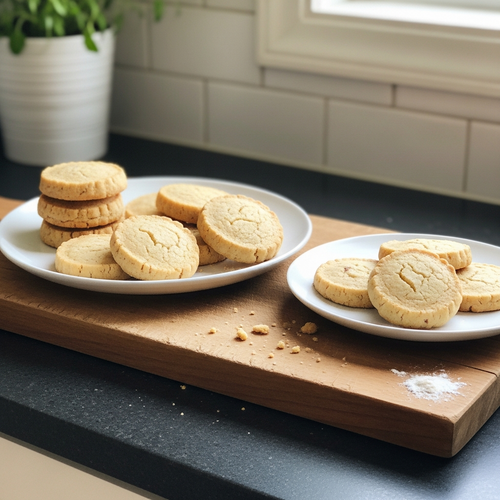
Description: A simple, delicious, and high-protein shortbread cookie designed for fat loss. These cookies are buttery, crumbly, and perfect for satisfying cravings without derailing your progress. Built for flexible dieting and busy lives.
Prep Time: 15 minutes | Cook Time: 12 minutes
Servings: 16 cookies
Macros per Serving | Calories: 68 | Protein: 4.5g | Fat: 5g | Carbohydrates: 1.9g
Ingredients
- 1 cup fine almond flour
- 1/2 cup vanilla whey/casein blend protein powder
- 1/4 cup oat fiber
- 1/4 cup powdered erythritol or monk fruit sweetener
- 1/4 teaspoon salt
- 1/2 teaspoon baking powder
- 1/4 cup light butter or margarine, cold and cubed
- 2 tablespoons unsweetened almond milk
- 1 teaspoon vanilla extract
- 1/2 teaspoon butter extract (optional)
Instructions
- Preheat oven to 325°F (165°C) and line a baking sheet with parchment paper.
- In a medium bowl, whisk together all dry ingredients: almond flour, protein powder, oat fiber, sweetener, salt, and baking powder.
- Cut in the cold, cubed light butter with a pastry blender or your fingers until the mixture resembles coarse crumbs.
- In a small bowl, mix the almond milk and extracts. Add to the dry ingredients and mix until a dough forms.
- Use your hands to gently form the dough into a ball.
- Roll the dough between two sheets of parchment paper to 1/4-inch thickness.
- Cut out shapes with a cookie cutter and place them on the prepared baking sheet.
- Bake for 10-12 minutes, until the edges are lightly golden.
- Let cool on the baking sheet for 5 minutes before moving to a wire rack to cool completely.
Notes
Using a whey/casein protein blend is highly recommended for the best texture. 100% whey may result in a tougher cookie. Ensure your butter is very cold for a flakier result.
FAQs About Shortbread Cookie For Weight Loss
Here are some straightforward answers to the most common questions I receive about this shortbread cookie recipe.
Can I really eat this shortbread cookie and still lose weight?
Yes, absolutely. This is the entire philosophy behind ADHD FIT. Weight loss isn’t about restriction; it’s about smart choices and consistency. A traditional shortbread cookie is high in calories, sugar, and refined carbs, which can easily push you over your daily calorie target and spike your blood sugar, leading to more cravings. This recipe fundamentally changes the nutritional profile of the cookie to support your goals.
We’ve packed it with protein and fiber, two key nutrients for hunger management. The protein helps you feel full and satisfied, while the fiber slows digestion and adds bulk without calories. By replacing sugar with a zero-calorie sweetener and using almond flour instead of white flour, we’ve drastically reduced the carbs and calorie count. One or two of these cookies can easily fit into a daily calorie deficit, which is the only requirement for fat loss. They allow you to enjoy a treat, which helps prevent the feelings of deprivation that often lead to binge eating and quitting altogether.
What makes this shortbread cookie recipe ADHD-friendly?
This recipe was designed with the ADHD brain in mind, focusing on simplicity, practicality, and managing common ADHD-related challenges with food. First, the instructions are simple and the ingredient list is short. This reduces the cognitive load and “analysis paralysis” that can stop us from even starting a recipe. The steps are broken down into small, manageable chunks to make the process less overwhelming.
Second, it supports flexible eating and helps avoid the all-or-nothing thinking that many of us with ADHD fall into. Instead of a “cheat meal” that can trigger a guilt spiral, this is a planned, goal-aligned treat. The recipe also encourages batch-prepping and pre-portioning, which are crucial executive function “hacks.” By making a batch and immediately dividing it into single servings, you automate future decisions, making it easy to grab a smart choice when you’re low on willpower or feeling impulsive.
Can I use regular all-purpose flour in this shortbread cookie recipe?
I would strongly advise against substituting regular all-purpose flour in this recipe. The entire nutritional profile and baking science relies on the specific ingredients used. All-purpose flour is a high-carb ingredient that would defeat the purpose of creating a low-carb, blood-sugar-friendly cookie. It would significantly increase the calorie and carbohydrate content, taking it out of the “fat-loss-friendly” category.
Furthermore, almond flour and protein powder behave very differently from wheat flour. Almond flour has a high fat content and no gluten, which creates a tender, crumbly texture. Protein powder absorbs a lot of moisture. This recipe is balanced for that specific combination. Adding all-purpose flour would throw off the liquid ratios and likely result in a very tough, dry, and unpleasant cookie. If you’re looking for a classic shortbread recipe, this isn’t it. This is a reimagined version built for a specific nutritional purpose.
Why is my protein shortbread cookie dough so crumbly?
If your dough is excessively crumbly and not coming together, it’s usually due to one of two things: measurement accuracy or the type of protein powder used. Protein powder, especially whey, is extremely absorbent. Even a small amount of extra protein powder or not quite enough liquid can result in a dry, crumbly dough. Make sure you are leveling off your scoops when you measure.
Different brands and types of protein powder also have different levels of absorbency. A 100% whey isolate, for example, absorbs more liquid than a whey/casein blend. If the dough just won’t form a ball, don’t be afraid to add a tiny bit more almond milk, about a teaspoon at a time, until it just comes together. Be careful not to add too much, or the dough will become sticky. Gently using your hands to knead and warm the dough for a moment can also help the light butter soften just enough to bind everything together.
Can I make this shortbread cookie recipe without protein powder?
You can, but it would no longer be the same recipe and you’d lose the primary benefits of making it. The protein powder is a core functional ingredient. It’s not just there for flavor or to boost the protein macro; it provides a significant amount of the “flour” and structure for the cookie. Removing it would require a complete reformulation of the recipe, as you’d need to replace its bulk with something else, likely more almond flour or another type of flour.
More importantly, you would lose the key advantage of this recipe: hunger management. The high protein content is what makes these cookies satisfying and helps you stay full, which is critical for adhering to a fat-loss plan. If you simply want a low-carb shortbread cookie and don’t care about the protein, you could search for a keto shortbread recipe, which would likely use a higher amount of almond and coconut flour to achieve a similar result without the protein powder. But for our purposes at ADHD FIT, the protein is non-negotiable.
Try These High-Protein Recipes Next
If you enjoyed this simple and effective recipe, here are a few other high-protein treats you should try next.
- The Best High-Protein Sugar Cookie Recipe: A soft, chewy sugar cookie that’s perfect for when you want a classic treat that fits your macros.
- The Best High-Protein Cookie Recipe: This is my go-to chocolate chip cookie recipe, packed with protein and incredible flavor.
- Lemon Poppyseed Tea Cookies: A bright and zesty cookie from This Gal Cooks that offers a different flavor profile while still being light and delicious.
Building a collection of reliable, healthy-ish dessert recipes is one of the best ways to make your fitness journey sustainable and enjoyable.