
For most of my life, a muffin was either a guilty pleasure or a breakfast disappointment. It was the classic coffee shop trap. You think you are grabbing something quick and easy, but you are really just eating a slice of cake loaded with sugar, refined flour, and unhealthy fats. It would send my blood sugar on a roller coaster and leave me hungry an hour later. That kind of food just did not fit into the life I wanted to build.
When I started my fat loss journey, losing around 70 pounds over three years, I had to rethink everything. I needed food that worked for me, not against me. That meant meals had to be high in protein to keep me full, simple enough to make on low-energy days, and tasty enough that I would actually want to eat them. That is where the idea for a better muffin was born. I needed something that felt like a treat but performed like fuel.
This recipe is the result of a lot of trial and error. It is a protein muffin that actually tastes like a delicious, moist bakery muffin. It is packed with protein from Greek yogurt and protein powder, uses whole grains for sustained energy, and gets its sweetness from fruit and just a touch of maple syrup. It is the perfect ADHD-friendly breakfast or snack because you can make a batch ahead of time and have a zero-effort, high-impact meal ready to go. It is a system, not just a recipe.
Skip to My Flexibe Diet Recipe!
Why Protein Muffins Are Great For Fat Loss
Let’s be brutally practical. For fat loss, food is about 75 percent of the battle. Workouts are important, but you cannot out-train a bad diet. That is why building a menu of reliable, simple recipes is the foundation of a sustainable lifestyle. These protein muffins are a perfect example of a food that actively works toward your goals instead of sabotaging them.
The first principle is always protein. Protein is the most satiating macronutrient. It keeps you feeling full and satisfied for longer, which is your number one defense against cravings and mindless snacking. Each of these muffins is packed with protein from two sources: protein powder and non-fat Greek yogurt. This protein punch helps stabilize your blood sugar, preventing the energy crashes that can wreck an afternoon for someone with ADHD.
Next, we tackle hunger management with smart carbs and fiber. Instead of refined white flour, we use whole wheat pastry flour. It provides fiber and complex carbohydrates, which digest more slowly for sustained energy. The bananas and blueberries also add fiber and natural sweetness. This combination means you get the satisfaction of a baked good without the sugar spike and subsequent crash. It is about fueling your body and brain, not just filling your stomach.
Finally, this muffin recipe is built for convenience, a non-negotiable for the ADHD brain. You bake one batch and you have a high-protein, perfectly portioned breakfast or snack ready for days. This eliminates decision fatigue in the morning and provides a smart, easy choice when you hit that 3 PM slump. It is a proactive strategy. You are setting your future self up for success, which is how you build consistency and get real results.
Ingredients You’ll Need for Protein Muffins
Getting the ingredients right is key to making a protein muffin that is both effective for fat loss and genuinely delicious. This list is designed to be simple and accessible, using pantry staples that support your fitness goals. We are focused on whole foods that pack a nutritional punch without complicated prep.
The star ingredient here is the non-fat plain Greek yogurt. This is our secret weapon. It replaces the large amounts of oil or butter found in traditional muffin recipes, drastically cutting down on fat and calories. More importantly, it adds a significant amount of high-quality protein and creates an incredibly moist, tender texture that is often missing in healthier baked goods. Do not skip this. It is what makes the recipe work.
For your protein powder, the type you choose matters. A whey-casein blend or a dedicated “baking” protein powder will generally yield the best texture. Pure whey isolate can sometimes make baked goods a bit dry or rubbery. Vanilla flavor works perfectly here, but an unflavored powder is also a great option if you want the banana and blueberry flavors to be more prominent.
Here is the full list of what you will need:
- 1 cup whole wheat pastry flour
- ½ cup vanilla or unflavored protein powder
- 1 ½ teaspoons baking powder
- ½ teaspoon baking soda
- ½ teaspoon ground cinnamon
- ¼ teaspoon salt
- 1 cup non-fat plain Greek yogurt
- 2 large ripe bananas, mashed (about 1 cup)
- 2 large egg whites
- 2 tablespoons maple syrup or honey
- 1 teaspoon vanilla extract
- ¼ cup unsweetened almond milk
- 1 cup fresh or frozen blueberries
A quick note on the bananas. Make sure they are very ripe, the kind with plenty of brown spots. Ripe bananas are much sweeter, which allows us to use very little added sugar in the recipe. They also mash more easily and contribute to the overall moisture of the muffin.
How To Make Protein Muffins (Step-By-Step)
We build systems that work even on low-motivation days. This recipe is straightforward and designed to minimize mess and mental load. Follow these simple steps, and you will have a batch of incredible protein muffins ready in no time.
Step 1: Preheat Oven and Prep Muffin Tin
First things first. Turn your oven on to 375°F (190°C). This is a classic ADHD productivity hack called “task initiation.” Do the easiest, most obvious step first to build momentum. While it heats, line a 12-cup muffin tin with paper liners or give it a good spray with non-stick spray. Getting your station ready before you start mixing prevents that last-minute scramble.
Step 2: Combine Dry Ingredients
In a large bowl, add the whole wheat pastry flour, protein powder, baking powder, baking soda, cinnamon, and salt. Use a whisk to mix them together thoroughly. Do not just stir it with a spoon. Whisking is important because it evenly distributes the leavening agents (baking powder and soda), which ensures every muffin rises properly.
Step 3: Combine Wet Ingredients
Grab a separate, medium-sized bowl. This two-bowl method is crucial for preventing overmixing later. In this bowl, add the Greek yogurt, mashed ripe bananas, egg whites, maple syrup, and vanilla extract. Whisk these together until the mixture is smooth and well combined. The smoother it is here, the better it will incorporate into the dry ingredients.
Step 4: Mix Wet and Dry
Pour the wet ingredients from the medium bowl into the large bowl with the dry ingredients. Now, switch to a rubber spatula. Gently stir everything together until it is *just* combined. A few small streaks of flour are perfectly fine. The biggest mistake in muffin making is overmixing, which develops gluten and makes them tough and chewy. Resist the urge to stir it until it is perfectly smooth.
Step 5: Adjust Consistency and Add Blueberries
The batter will be very thick, almost like a scoopable dough. This is normal for protein-heavy recipes. If it seems too stiff to manage, add the unsweetened almond milk one tablespoon at a time until it loosens up slightly. Next, gently fold in the blueberries. Use the spatula to cut down through the middle of the batter, scrape along the bottom, and fold it over the top. This technique incorporates the berries without crushing them.
Step 6: Fill and Bake
Divide the batter evenly among the 12 prepared muffin cups. An ice cream scoop with a trigger release is an amazing tool for this. It makes the job fast, clean, and ensures all your muffins are the same size. The cups will be very full, which is what helps create a nice domed top. Bake for 18-22 minutes. You will know they are done when a toothpick inserted into the center comes out clean. Let them cool in the tin for a few minutes before moving to a wire rack.
How To Serve Protein Muffins (ADHD-Friendly)
The best part about this protein muffin recipe is its simplicity. It is designed to be a complete, grab-and-go meal that requires zero thought or effort once it is made. For those of us with ADHD, reducing the number of decisions we have to make, especially around food, is a huge win. It frees up executive function for more important things.
Most of the time, I eat these muffins plain. I will grab one or two on my way out the door for breakfast or have one in the afternoon to fight off cravings. They are balanced enough on their own with protein, carbs, and healthy fats. This is the ultimate low-effort, high-reward snack.
However, if you have a few extra seconds and want to turn it into a more substantial mini-meal, here are a few brutally practical ideas. These require almost no extra prep.
- Add a Protein Topper. Slice a muffin in half and spread a tablespoon of non-fat Greek yogurt or cottage cheese on top. This adds even more protein and a nice creamy texture.
- Smear on Some Healthy Fat. A thin layer of natural peanut butter, almond butter, or a seed butter provides healthy fats that increase satiety and add fantastic flavor.
- Pair with Fruit. While the muffins have blueberries in them, having one alongside a handful of fresh berries or an apple can add more volume and fiber to your meal, helping you feel even fuller.
The key is to keep it simple. The goal is not to create a gourmet platter. The goal is to get quality nutrition into your body in a way that is fast, easy, and repeatable. Think of these muffins as your nutritional base camp. They are great on their own, and they provide a perfect foundation if you want to add just a little something extra without getting overwhelmed.
How To Store, Reheat, and Reuse Protein Muffins
One of the core principles we live by at ADHD FIT is “work with your brain, not against it.” This means creating systems that support you on your busiest and most distracted days. Meal prep is one of those systems, and these protein muffins are perfect for it. Proper storage is key to making sure your effort pays off all week long.
Once the muffins have cooled completely on a wire rack, you have a few options for storing them. The method you choose depends on how quickly you plan to eat them. Letting them cool all the way is important. Storing them while still warm will create condensation and can make them soggy.
Here are the best ADHD-friendly storage methods, from short-term to long-term:
- Room Temperature (1-2 Days): If you know you will eat them within a couple of days, you can store them in an airtight container on the counter. Line the bottom of the container with a paper towel to absorb any excess moisture and help keep them fresh.
- Refrigerator (Up to 1 Week): For longer freshness, the fridge is your best bet. Store them in an airtight container. They will last for up to a week. The cold temperature may make them a bit denser, but a quick reheat will fix that perfectly.
- Freezer (Up to 3 Months): This is my favorite method. It is like giving a gift to your future self. For best results, wrap each muffin individually in plastic wrap, then place all the wrapped muffins into a large freezer-safe zip-top bag. This prevents freezer burn and makes it easy to grab just one at a time.
When you are ready to eat one from the fridge or freezer, reheating is simple. From the fridge, you can eat it cold or pop it in the microwave for about 15-20 seconds to soften it up. From the freezer, you can let it thaw on the counter for an hour, or unwrap it and microwave it for 30-45 seconds. This simple prep work ensures you always have a smart, protein-packed choice ready to go, no matter how chaotic your day gets.
Easy Swaps & Variations for Protein Muffins
A good recipe is a flexible recipe. Life is unpredictable, and your pantry might not always have the exact ingredients on hand. With ADHD, the friction of needing to run to the store for one specific item can be enough to derail a whole plan. This protein muffin recipe is built to be adaptable. Here are some simple, tested swaps and variations you can make without sacrificing the results.
These adjustments can help you cater to dietary needs, use what you already have, or just experiment with new flavors. The core formula of high protein and smart carbs remains the same.
Here are a few easy ways to customize your muffin batch:
- Flour Alternatives: If you do not have whole wheat pastry flour, you can use regular all-purpose flour or even oat flour. For a gluten-free version, a good quality 1-to-1 gluten-free baking blend works well. The texture may vary slightly, but they will still be delicious.
- Different Protein Flavors: While vanilla is a great base, feel free to experiment. Chocolate protein powder with some added sugar-free chocolate chips makes for a great double-chocolate treat. A cinnamon-flavored protein powder would also be amazing.
- Fruit and Mix-ins: Blueberries are a classic, but you can swap them for an equal amount of raspberries, chopped strawberries, or even blackberries. For a different texture and flavor, try adding ¼ cup of dark chocolate chips or chopped walnuts.
- Make It Dairy-Free: You can easily make this recipe dairy-free. Use a plant-based Greek-style yogurt (like coconut or almond-based) and a plant-based protein powder. The results are fantastic.
- Sweetener Swaps: If you are looking to lower the sugar content even further, you can replace the maple syrup or honey with a liquid natural sweetener like monk fruit or stevia. Just be sure to check the conversion, as they are often much sweeter.
Remember, the goal is consistency, not perfection. Use these variations to make the recipe work for you, your budget, and your pantry. Having a delicious, go-to muffin that fits your lifestyle is what matters most.
ADHD-Friendly Blueberry Protein Muffins
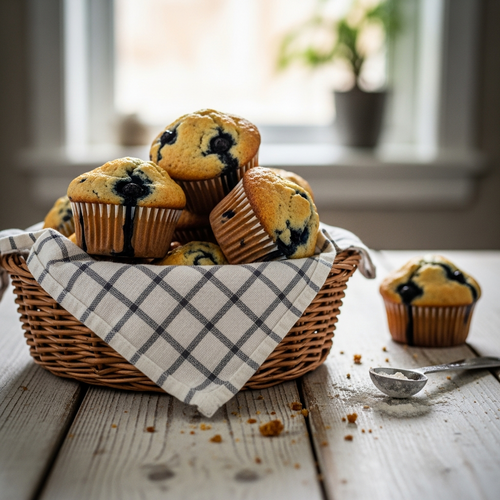
Description: A simple, high-protein muffin recipe designed for fat loss and a busy lifestyle. These moist and delicious muffins are perfect for meal prep, providing a quick, healthy breakfast or snack that keeps you full and focused.
Prep Time: 10 minutes | Cook Time: 20 minutes
Servings: 12 muffins
Macros per Serving | Calories: 145 | Protein: 10g | Fat: 2g | Carbohydrates: 22g
Ingredients
- 1 cup whole wheat pastry flour
- ½ cup vanilla or unflavored protein powder
- 1 ½ teaspoons baking powder
- ½ teaspoon baking soda
- ½ teaspoon ground cinnamon
- ¼ teaspoon salt
- 1 cup non-fat plain Greek yogurt
- 2 large ripe bananas, mashed (about 1 cup)
- 2 large egg whites
- 2 tablespoons maple syrup or honey
- 1 teaspoon vanilla extract
- ¼ cup unsweetened almond milk
- 1 cup fresh or frozen blueberries
Instructions
- Preheat oven to 375°F (190°C) and prepare a 12-cup muffin tin.
- In a large bowl, whisk together all dry ingredients: flour, protein powder, baking powder, baking soda, cinnamon, and salt.
- In a separate medium bowl, whisk together all wet ingredients: Greek yogurt, mashed banana, egg whites, maple syrup, and vanilla extract.
- Pour the wet ingredients into the dry ingredients and stir with a spatula until just combined. Do not overmix.
- If batter is too thick, add almond milk. Gently fold in the blueberries.
- Divide batter evenly among the muffin cups and bake for 18-22 minutes, or until a toothpick comes out clean.
- Cool in the tin for 5 minutes before transferring to a wire rack.
Notes
For best results, use a whey-casein blend protein powder. If using pure whey isolate, the muffins may be slightly drier. Do not overmix the batter to ensure a tender, moist muffin.
FAQs About Protein Muffins For Weight Loss
Here are some straightforward answers to the most common questions I receive about this protein muffin recipe.
Can I make this protein muffin recipe without protein powder?
Yes, you can, but it changes the recipe fundamentally. If you remove the protein powder, you will need to replace its volume with more flour, likely an additional ½ cup. However, doing this will significantly alter the macronutrient profile. It will no longer be a “protein muffin,” but rather a healthier, lower-protein banana-blueberry muffin.
The protein powder is essential for hitting the protein goal that makes these muffins so effective for hunger management and fat loss. Without it, the protein per muffin will drop dramatically, and they will not be nearly as filling. If you are out of protein powder, a better option might be to just make a different healthy muffin recipe until you can restock. This recipe is specifically engineered around the inclusion of protein powder.
Why are my protein muffins dry or rubbery?
This is the most common issue people have with protein baking, and it almost always comes down to one of two things: the type of protein powder used or overmixing the batter. Pure whey isolate protein is fantastic for shakes, but it can absorb a lot of moisture and become tough or rubbery when baked. A protein blend that includes casein, or a specific “baking blend,” will give you a much better, more tender result.
The other culprit is overmixing. When you mix flour with liquid, you start developing gluten. A little gluten gives structure, but too much makes muffins tough and dense. This is why we mix the wet and dry ingredients separately first, then combine them gently until they are *just* incorporated. A few lumps are okay. A perfectly smooth batter is a sign you have probably gone too far. Be gentle and mix as little as possible.
Is this blueberry protein muffin recipe good for meal prep?
Absolutely. In fact, it was designed specifically with meal prep in mind. The entire philosophy of ADHD FIT is built on creating systems to make healthy eating easier, and batch-prepping is a cornerstone of that. By investing about 30 minutes one day, you create a dozen grab-and-go meals that solve your breakfast or snack problem for days to come. This reduces decision fatigue, which is a huge drain on executive function.
I recommend baking a batch on a Sunday. You can keep a few in an airtight container in the fridge for Monday and Tuesday, and freeze the rest. Wrapping them individually before freezing makes it incredibly easy to grab one whenever you need it. This proactive approach ensures you always have a healthy, goal-aligned option available, which is critical for staying consistent when life gets busy or motivation is low.
Can I make this protein muffin recipe gluten-free?
Yes, you can easily adapt this muffin recipe to be gluten-free. The best way to do this is to substitute the whole wheat pastry flour with a high-quality, cup-for-cup (or 1-to-1) gluten-free all-purpose baking flour. These blends typically contain a mix of different flours and a binder like xanthan gum, which helps replicate the structure that gluten normally provides.
When making the swap, simply use the same amount of gluten-free flour as you would whole wheat flour (1 cup in this case). The rest of the recipe can remain exactly the same. Keep in mind that the texture might be slightly different; gluten-free baked goods can sometimes be a bit more delicate or have a slightly different crumb, but they will still be moist and delicious.
How can I increase the protein in this muffin recipe even more?
While it might seem tempting to just dump more protein powder into the batter, that is not the best approach. Adding too much protein powder without adjusting the other ingredients will throw off the liquid-to-dry ratio, resulting in a very dense, dry, and rubbery muffin. The current recipe is balanced to maximize protein while maintaining a great taste and texture.
A better strategy is to increase the protein of the *meal* by pairing the muffin with another high-protein food. Serve it with a side of non-fat Greek yogurt or cottage cheese. Have it alongside a hard-boiled egg or a small protein shake. Spreading a tablespoon of powdered peanut butter (reconstituted with water) on top is another great way to add a few extra grams of protein. Think of the muffin as your protein base, and then add simple, high-protein accompaniments.
Try These High-Protein Recipes Next
If you loved this simple and effective protein muffin recipe, here are a few other recipes from my site and around the web that follow the same principles.
- My Original Blueberry Muffin Recipe: See where it all started with this fan-favorite recipe that laid the groundwork for all my muffin creations.
- Easy High-Protein Banana Muffin Recipe: A delicious variation that doubles down on the banana flavor for a rich, naturally sweet breakfast.
- 16 Healthy Muffin Recipes from This Gal Cooks: A great roundup of creative and healthy muffin ideas when you are ready to expand your baking repertoire.
Building a collection of go-to recipes is the key to long-term success and a sustainable healthy lifestyle.