
I have a confession to make. For years, I thought Korean BBQ was completely off-limits. I’d walk past those restaurants, smell the incredible mix of sweet and savory grilled meat, and tell myself it was “bad food.” It was the kind of meal you have for a cheat day, not something that could ever fit into a fat loss plan. That all-or-nothing thinking is a classic ADHD trap, and it kept me from enjoying so many foods I loved.
My fitness journey, especially before I started medication, was a constant battle against cravings and a brain that wanted instant gratification. Telling myself I could *never* have something delicious just made me want it more. That’s when I realized I wasn’t failing the diet; the diet was failing my brain. I needed a different approach, one that embraced flavor instead of fearing it.
That’s what motivated me to create this high-protein bulgogi recipe. I wanted to capture that amazing Korean BBQ experience without the sugar and excess oil that can derail your progress. I needed a meal that was brutally practical, easy to make on a low-energy day, and so satisfying that it crushed my cravings for takeout. This recipe is the result. It’s a cornerstone of my flexible eating plan, proving you can absolutely build a fit lifestyle while eating food that you genuinely get excited about.
Skip to My Flexibe Diet Recipe!
Why Bulgogi Is Great For Fat Loss
When you’re trying to lose fat, especially with an ADHD brain, the battle is usually fought on two fronts: managing physical hunger and controlling dopamine-seeking cravings. This bulgogi recipe is engineered to win on both. It’s a perfect example of our core principles in action: protein first, hunger management second, and flavor always.
First, let’s talk protein. We use 1.5 pounds of lean sirloin steak, a powerhouse of high-quality protein. Protein is the undisputed champion of fat loss macros. It keeps you feeling full and satisfied for hours, which drastically reduces the chances of mindless snacking. A high-protein meal helps stabilize your energy levels, preventing the crashes that often lead us to reach for sugary quick fixes.
Next, we tackle the flavor and cravings. Traditional bulgogi marinades are loaded with sugar, which can spike your blood sugar and lead to more cravings later. My version swaps out the sugar for monk fruit sweetener, a zero-calorie substitute that provides that classic sweetness without the metabolic downside. This small change makes a massive difference, turning a calorie-dense dish into a lean, fat-loss-friendly meal.
The combination of savory soy sauce, fragrant sesame oil, garlic, and ginger creates an intensely satisfying flavor profile. When your food is this delicious, your brain gets the dopamine hit it’s looking for. This means you feel mentally satisfied, not just physically full. It helps prevent that feeling of deprivation that can lead to a full-blown “what the hell” spiral and weekend binges. It’s a strategic way to build a sustainable eating plan that doesn’t feel like a punishment.
Ingredients You’ll Need for Bulgogi
The beauty of this recipe is its simplicity. We’re using a handful of powerful ingredients to create that authentic bulgogi flavor without unnecessary calories. Each component is chosen specifically to support your fitness goals while being easy to find. Here’s what you’ll need.
- 1.5 lbs sirloin steak, trimmed of all visible fat
- 1/4 cup low-sodium soy sauce or coconut aminos
- 2 tablespoons monk fruit sweetener or other zero-calorie sugar substitute
- 1 tablespoon toasted sesame oil
- 4 cloves garlic, minced
- 1 tablespoon freshly grated ginger
- 1/2 small Asian pear, grated
- 2 green onions, thinly sliced, plus more for garnish
- 1/4 teaspoon black pepper
- 1 teaspoon sesame seeds, for garnish
The key ingredient here, the one that gives this recipe its magic touch, is the grated Asian pear. This is a traditional Korean technique. The enzymes in the pear act as a natural tenderizer for the beef, making it incredibly soft. It also adds a subtle, complex sweetness that you just can’t get from sugar alone. If you can’t find an Asian pear, a Bosc pear or even a sweet apple like Fuji will work in a pinch.
A few notes on sourcing. For the steak, sirloin is a fantastic choice because it’s lean but still has enough flavor to stand up to the marinade. Top round or flank steak also work well. The most important part is to trim any large pieces of visible fat to keep the macros in check. Using low-sodium soy sauce is a non-negotiable for me. Regular soy sauce can be a salt bomb, leading to water retention and bloating, which can be discouraging when you’re tracking progress. Toasted sesame oil is also critical; it has a much deeper, nuttier flavor than regular sesame oil, so a little goes a long way.
How To Make Bulgogi (Step-By-Step)
We’re all about making things brutally practical, especially on days when executive function is low. This process is straightforward and designed to minimize steps and cleanup. Follow along, and you’ll have amazing bulgogi ready in no time.
Step 1: Prep The Steak
Place the entire piece of sirloin steak in the freezer for about 30 to 60 minutes. You want it to be very firm to the touch, but not frozen solid like a rock. This is the single most important trick for getting those signature paper-thin slices. Trying to slice room-temperature beef this thinly is nearly impossible and incredibly frustrating. ADHD Tip: Do this step as soon as you get home from the grocery store. That way, the steak is ready to go when you’re ready to cook, removing a waiting period that can kill your motivation.
Step 2: Slice The Steak
Once the steak is firm, take it out of the freezer. Using a very sharp knife, slice it as thinly as you possibly can against the grain. Slicing against the grain means cutting across the muscle fibers, not parallel to them. This breaks up the tough fibers and ensures your cooked bulgogi is tender and easy to chew. Cut the slices into bite-sized pieces.
Step 3: Make The Marinade
In a medium-sized bowl (big enough to hold all the beef), whisk together the low-sodium soy sauce, monk fruit sweetener, toasted sesame oil, minced garlic, grated ginger, sliced green onions, and black pepper. This is your flavor base. To save time and energy, feel free to use pre-minced garlic and ginger from a jar. Working with your brain, not against it, means using smart shortcuts.
Step 4: Marinate The Beef
Add your thinly sliced beef to the marinade. Use your hands or a pair of tongs to toss everything together, making sure every single piece of beef is coated. Cover the bowl with plastic wrap or a lid and place it in the refrigerator. Let it marinate for at least one hour to allow the flavors to penetrate the meat. If you have the foresight, up to four hours is even better, but one hour will definitely do the trick.
Step 5: Cook The Bulgogi
Heat a large non-stick skillet or a cast-iron pan over medium-high heat. The pan needs to be hot to get a good sear. Working in batches, use tongs to lift the beef from the marinade, letting any excess liquid drip back into the bowl. Place the beef in the pan in a single layer. Don’t overcrowd the pan. If you do, the beef will steam instead of sear. Cook for just 1-2 minutes per side. The slices are so thin they cook incredibly fast. Once browned, remove the cooked beef and set it aside while you cook the remaining batches.
Step 6: Garnish and Serve
Once all the beef is cooked, return it all to the pan for a moment to heat through. Transfer it to a serving platter and garnish with extra sliced green onions and a sprinkle of sesame seeds. Your high-protein, delicious bulgogi is ready to eat.
How To Serve Bulgogi (ADHD-Friendly)
One of the best things about this bulgogi recipe is its versatility. You can adapt it to fit your macro goals for the day, whether you’re aiming for lower carbs or need to fuel a big workout. Keeping serving options simple is key for us, as decision fatigue is a real struggle with ADHD.
Here are a few of my go-to, ADHD-friendly ways to serve this meal:
- Lettuce Wraps: This is my favorite low-carb, high-volume option. Get a head of butter lettuce or iceberg and use the large leaves as cups. Pile in the bulgogi and top with some shredded carrots or kimchi. It’s crunchy, satisfying, and feels like you’re eating a huge meal without a ton of calories.
- With Cauliflower Rice: For a classic rice bowl feel without the carbs, serve the bulgogi over a bed of steamed cauliflower rice. My freezer is always stocked with bags of frozen cauliflower rice. It microwaves in three minutes, which is perfect for low-motivation days. No chopping, no mess.
- In a Power Bowl: This is a great meal prep strategy. Layer the bulgogi with other easy-prep ingredients. Think steamed broccoli (again, from a frozen bag), edamame, and a sprinkle of sesame seeds. You get protein, fiber, and healthy fats all in one bowl.
If you have more room for carbs in your daily plan, serving this over a measured portion of brown rice or quinoa is a fantastic option, especially for a post-workout meal. The key is to have these easy-to-prepare bases on hand. The less friction between you and a healthy meal, the more likely you are to stick with it. Avoid “blank slate” syndrome where you have the protein cooked but no idea what to do with it. Plan your side when you plan the main dish.
How To Store, Reheat, and Reuse Bulgogi
Leftovers are a secret weapon for anyone on a fitness journey, but they only work if you actually eat them. For the ADHD brain, “out of sight, out of mind” is a real problem. Food can get lost in the back of the fridge and forgotten until it’s too late. That’s why having a clear, simple system for storing and reusing meals like this bulgogi is so important.
Here’s how to handle your leftovers to make your future self’s life easier:
- Storing: As soon as the bulgogi has cooled down, portion it out into single-serving airtight containers. Don’t just dump the entire skillet’s contents into one giant container. Pre-portioning removes a future step and makes it a true grab-and-go meal. It will stay fresh in the refrigerator for up to 4 days.
- Reheating: The best way to reheat bulgogi is in a skillet over medium heat for just a few minutes until it’s warmed through. This helps it retain its texture. However, on a busy day, the microwave is perfectly fine. Just heat it in 30-second intervals to avoid overcooking it and making the beef tough.
- Reusing: Don’t just eat the same meal over and over. Re-purpose it! Use the leftover bulgogi to make a quick “cheater” bibimbap bowl with a fried egg and whatever veggies you have. You can also chop it up and mix it into scrambled eggs for a high-protein breakfast or even make a quick stir-fry by adding it to a pan of sautéed frozen vegetables at the end.
By planning for leftovers, you’re building a system that supports you on your busiest and most distracted days. A delicious, healthy meal that’s ready in 90 seconds can be the difference between staying on track and ordering expensive, high-calorie takeout. It’s about setting yourself up for an easy win.
Easy Swaps & Variations for Bulgogi
A recipe is only useful if it’s flexible. Life happens. You might not have a specific ingredient, or maybe you want to adapt the recipe to fit a different dietary need or budget. This bulgogi recipe is incredibly forgiving. Here are some simple swaps and variations you can make without sacrificing the amazing flavor.
Remember, the goal is consistency, not perfection. Use what you have and what works for you.
- Different Proteins: While sirloin is fantastic, this marinade works wonders on other cuts. For a leaner option, try it with thinly sliced chicken breast or pork loin. If you want something a bit richer, chicken thighs are a great choice. For a plant-based version, press a block of extra-firm tofu, slice it into thin slabs, and marinate it for at least 4 hours.
- Sweetener Swaps: I use monk fruit sweetener, but any zero-calorie granular or liquid sweetener you prefer will work. Erythritol, stevia, or a blend would be fine. Just be sure to check the conversion, as some are sweeter than others. You can also use 1-2 tablespoons of honey or maple syrup if you aren’t concerned about the added sugar.
- No Asian Pear: If you can’t find an Asian pear, don’t sweat it. Two tablespoons of unsweetened applesauce can provide a similar tenderizing effect and a touch of sweetness. In a real pinch, you can just add a little extra monk fruit sweetener and skip the fruit altogether. The beef might be slightly less tender, but it will still be delicious.
- Gluten-Free Option: To make this recipe completely gluten-free, simply ensure you are using tamari or coconut aminos instead of soy sauce. Both are excellent substitutes that provide that same salty, umami flavor.
These variations allow you to make this recipe a regular part of your rotation, no matter what your pantry looks like. The ability to adapt is a superpower for building a sustainable, long-term healthy lifestyle.
High-Protein, Low-Calorie Bulgogi
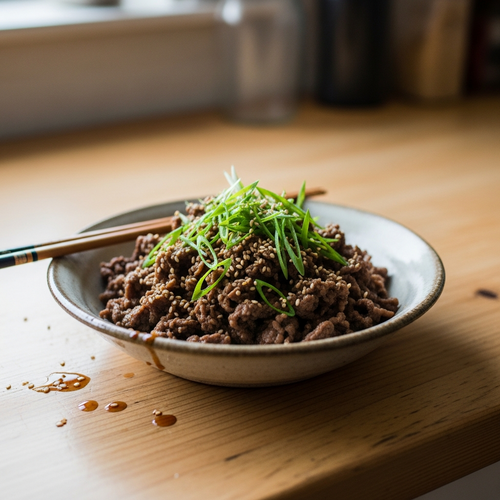
Description: A delicious, easy-to-make Korean BBQ beef recipe designed for fat loss. It’s packed with protein and flavor to crush cravings and keep you full, perfectly fitting a flexible and sustainable fitness lifestyle.
Prep Time: 15 minutes + 1 hour marinating | Cook Time: 10 minutes
Servings: 6
Macros per Serving | Calories: 250 | Protein: 36g | Fat: 9g | Carbohydrates: 5g
Ingredients
- 1.5 lbs sirloin steak, trimmed of all visible fat
- 1/4 cup low-sodium soy sauce or coconut aminos
- 2 tablespoons monk fruit sweetener
- 1 tablespoon toasted sesame oil
- 4 cloves garlic, minced
- 1 tablespoon freshly grated ginger
- 1/2 small Asian pear, grated
- 2 green onions, thinly sliced
- 1/4 teaspoon black pepper
- 1 teaspoon sesame seeds & more green onions, for garnish
Instructions
- Freeze steak for 30-60 minutes until firm. Slice very thinly against the grain.
- In a bowl, whisk together soy sauce, monk fruit sweetener, sesame oil, garlic, ginger, green onions, and black pepper.
- Add sliced beef to the marinade, toss to coat, and refrigerate for at least 1 hour.
- Heat a large non-stick skillet over medium-high heat.
- Cook beef in a single layer in batches for 1-2 minutes per side until browned. Do not overcrowd the pan.
- Garnish with sesame seeds and more green onions before serving.
Notes
Using pre-minced garlic and ginger is a great time-saving hack. For best results, ensure your pan is hot before adding the beef to get a good sear.
FAQs About Bulgogi For Weight Loss
Here are some straightforward answers to the most common questions I receive about this bulgogi recipe.
Is bulgogi healthy for weight loss?
Traditional restaurant-style bulgogi can be a mixed bag for weight loss. While the beef provides protein, the marinades are often very high in sugar and sodium, and it’s typically served with large portions of white rice. This can lead to a high-calorie meal that spikes your blood sugar and leaves you feeling hungry again shortly after.
However, this specific homemade bulgogi recipe is absolutely fantastic for weight loss. We’ve intentionally engineered it to be healthy. By using a lean cut of beef like sirloin and trimming the fat, we maximize the protein and minimize the saturated fat content. The biggest change is swapping sugar for a zero-calorie sweetener like monk fruit. This simple switch dramatically cuts the calories and carbohydrate count, making it much more macro-friendly and preventing a blood sugar crash. When you serve it with low-carb options like cauliflower rice or in lettuce wraps, it becomes a high-protein, low-calorie meal that supports satiety and muscle maintenance during a fat loss phase.
What is the best cut of beef for bulgogi?
The ideal cut of beef for bulgogi is one that is tender, flavorful, and can be sliced very thinly. Ribeye is the traditional choice in Korea because its high-fat content makes it incredibly tender and flavorful. However, for a fat loss-oriented recipe, ribeye is not the best option due to its higher calorie and fat content.
I recommend sirloin, specifically top sirloin, as the best balance for a healthy bulgogi. It’s significantly leaner than ribeye but still has a great beefy flavor that holds up to the marinade. It’s also relatively affordable. Other excellent lean options include flank steak or top round. The key to making these leaner cuts tender is the combination of slicing them very thinly against the grain and using the grated Asian pear in the marinade. The pear’s enzymes work to break down the muscle fibers, resulting in a surprisingly tender final product.
Can I make this bulgogi recipe without the Asian pear?
Yes, you absolutely can. The Asian pear plays two roles in the marinade: tenderizing the meat and adding a unique, mild sweetness. If you can’t find one, you don’t have to scrap the recipe. You have a couple of easy options to substitute it.
Your best substitute would be a couple of tablespoons of unsweetened applesauce. It provides a similar fruity sweetness and has some of the same enzymatic properties to help with tenderizing. A grated Bosc pear or a sweet apple like a Fuji would also work well. If you don’t have any fruit on hand, you can simply omit it. The beef might be slightly less tender, but if you’ve sliced it thinly against the grain, it will still be delicious. You may want to add an extra teaspoon of monk fruit sweetener to compensate for the lost sweetness from the pear.
How do I get my bulgogi beef so thin?
Getting those paper-thin slices is the most crucial technique for great bulgogi, and it’s much easier than it looks. The secret is not your knife skill; it’s the temperature of the meat. You must partially freeze the steak before slicing. Place the whole steak, unwrapped, on a plate in the freezer for 30-60 minutes. You’re looking for the outside to be very firm and stiff, but the inside should not be frozen solid.
This firmness provides the resistance you need to slice the beef incredibly thin without it squishing or moving around under your knife. It allows for much greater control. You also need a sharp knife. A dull knife will tear the meat fibers instead of slicing cleanly through them. Once the steak is firm, place it on a stable cutting board and use long, smooth strokes to slice against the muscle grain. This simple freezer trick is a game-changer and makes all the difference in the final texture of the dish.
Can I meal prep this bulgogi for the week?
This bulgogi recipe is an absolute dream for meal prep. In fact, it’s one of my staples. You have two main ways you can prep it, depending on your schedule and preferences. The first method is to cook everything in advance. Make a full batch on a Sunday, let it cool, and then portion it out into individual meal prep containers along with your side of choice, like steamed broccoli and cauliflower rice. These meals will last perfectly in the fridge for up to four days and can be reheated in the microwave in under two minutes.
The second method, which I also love, is to prep the raw, marinated meat. You can slice the beef and mix it with the marinade, then portion the raw marinated beef into freezer-safe bags. It will keep in the freezer for up to three months. This is an amazing ADHD-friendly “future self” hack. On a busy night, you can pull a bag from the freezer in the morning to thaw in the fridge, and when you get home, it’s ready to be cooked in a hot pan in less than 10 minutes. This gives you a fresh-cooked meal with almost zero weeknight effort.
Try These High-Protein Recipes Next
If you loved this simple and flavorful approach to fat loss, here are a few other recipes that follow the same principles.
- Healthier Beef and Broccoli: My take on the takeout classic, with a savory sauce that’s low in sugar but high in flavor. It’s another quick, satisfying meal that will crush your cravings.
- Low-Calorie Teriyaki Sauce: This is a staple recipe for a sugar-free teriyaki sauce you can use on chicken, salmon, or beef to create dozens of easy, high-protein meals.
- Ground Beef Bulgogi Bowls: This is a great alternative from This Gal Cooks that uses ground beef, making it even faster, more budget-friendly, and perfect for a super low-effort weeknight dinner.
Building a library of go-to, easy recipes is the key to long-term consistency and success.