
There are some meals that just feel like a hug. For me, that used to be a massive styrofoam container of takeout teriyaki chicken. During the early days of my fitness journey, long before I started ADHD FIT, I thought it was a “healthy” choice. It had chicken and broccoli, right?
But the scale wasn’t moving. I felt bloated and sluggish after eating it. I eventually learned that most restaurant versions are loaded with sugar, sodium, and mystery oils. It was a craving I couldn’t seem to shake, and it was holding back my progress.
So, I became obsessed with creating my own version. I wanted a teriyaki chicken recipe that delivered all the satisfying sweet and savory flavor I loved, but was built for fat loss. It needed to be high in protein, packed with veggies, and ridiculously easy to make, even on days when my ADHD brain had zero motivation.
This is that recipe. It became a staple while I was losing 65–70 pounds, and it’s still in my rotation today. It’s proof that you don’t have to eat bland, boring food to get fit. You can have your favorite meals and still crush your goals.
Skip to My Flexibe Diet Recipe!
Why Teriyaki Chicken Is Great For Fat Loss
Let’s get straight to it. Food is 75 percent of your results when it comes to fat loss. This teriyaki chicken recipe is engineered to make that 75 percent work for you, not against you.
First, it’s built around protein. We use two full pounds of boneless, skinless chicken breast. Protein is the superstar macro for fat loss. It keeps you feeling full and satisfied for hours, which is our number one weapon against mindless snacking and intense cravings. A high-protein diet also helps your body hold onto muscle while you’re losing fat, which keeps your metabolism running strong.
Second, we control the sauce. Takeout teriyaki sauce is often a sugar bomb, with some brands packing more sugar per serving than a can of soda. That spikes your blood sugar, leads to an energy crash, and leaves you craving more junk. Our homemade sauce uses a minimal amount of honey or maple syrup for that classic sweetness, giving you full control over the sugar content.
We also use low-sodium soy sauce. This helps manage water retention and bloating, so you feel and look leaner. The rest of the meal is bulked up with broccoli and red bell pepper. These vegetables add tons of volume and fiber for very few calories. You get to eat a big, satisfying plate of food that fills you up without filling you out.
For the ADHD brain, this meal is a massive win. It hits all those dopamine-friendly flavor notes (sweet, salty, umami) that we crave, making it feel like an indulgence. But its macros are perfectly aligned with a fat loss plan. It’s a sustainable meal that helps you stay consistent, and consistency is everything.
Ingredients You’ll Need for Teriyaki Chicken
The beauty of this recipe is its simplicity. We’re using whole, easy-to-find ingredients to create incredible flavor. No long, complicated shopping lists that feel overwhelming before you even start. Here’s exactly what you’ll need.
-
2 lbs boneless, skinless chicken breasts, trimmed of fat and cut into 1-inch cubes
-
1 tablespoon avocado or olive oil
-
1 large head of broccoli, cut into florets
-
1 red bell pepper, sliced
-
1/2 cup low-sodium soy sauce or tamari
-
1/4 cup water
-
2 tablespoons honey or maple syrup
-
2 cloves garlic, minced
-
1 teaspoon fresh ginger, grated
-
1 tablespoon rice vinegar
-
1 tablespoon cornstarch or arrowroot starch, mixed with 2 tablespoons of cold water to create a slurry
-
Toasted sesame seeds, for garnish (optional)
-
Sliced green onions, for garnish (optional)
The real game-changer here is making the sauce yourself. By combining the low-sodium soy sauce, honey, fresh garlic, and ginger, you create a teriyaki sauce that has a fraction of the sugar and sodium found in bottled versions. This step is non-negotiable for making the recipe fit a fat loss lifestyle.
A quick note on ingredients. For the chicken, you can also use boneless, skinless chicken thighs if you prefer darker meat. They have a slightly higher fat content, but the flavor is fantastic. When it comes to garlic and ginger, fresh is always best for flavor. But let’s be practical. If mincing garlic feels like a huge barrier, a jar of pre-minced garlic is a perfectly acceptable ADHD-friendly shortcut. The goal is consistency, not perfection.
How To Make Teriyaki Chicken (Step-By-Step)
This recipe comes together in one pan in about 20 minutes. The key is to have your ingredients prepped and ready to go before you turn on the stove. We call this “mise en place,” and for the ADHD brain, it’s a lifesaver that prevents chaos in the kitchen.
Step 1: Mix The Teriyaki Sauce
In a small bowl, whisk together the low-sodium soy sauce, water, honey or maple syrup, minced garlic, grated ginger, and rice vinegar. Just combine everything until it’s smooth. This is your flavor base. An ADHD tip: make a double or triple batch of this sauce and store it in a jar in the fridge. Now you have instant teriyaki sauce for the next time you make this, cutting down on future prep time.
Step 2: Heat The Pan And Oil
Grab a large skillet or a wok. A bigger pan is better here because it gives the chicken and veggies room to cook properly. Heat your avocado or olive oil over medium-high heat. You’ll know it’s ready when the oil shimmers slightly.
Step 3: Cook The Chicken
Add your cubed chicken to the hot skillet in a single layer. This is important. Do not overcrowd the pan. If you dump all the chicken in at once, it will steam instead of sear, and you’ll lose out on that delicious golden-brown crust. If your pan isn’t big enough, cook the chicken in two batches. Let it cook for 5-7 minutes, turning it every so often, until it’s browned and cooked through. Then, remove it from the pan and set it aside.
Step 4: Stir-Fry The Vegetables
Toss the broccoli florets and sliced red bell pepper into the same skillet. There should be enough residual oil and chicken drippings to cook them in. Stir-fry them for about 4-5 minutes. You want them to be “tender-crisp,” which means they’re cooked but still have a little bite. Nobody likes sad, mushy vegetables.
Step 5: Combine Everything
Return the cooked chicken to the skillet with the vegetables. Give everything a quick toss to combine.
Step 6: Pour In The Sauce
Pour your prepared teriyaki sauce over the chicken and vegetables. Stir to coat everything evenly and bring the mixture to a gentle simmer.
Step 7: Thicken The Sauce
This is the magic step. Remember that cornstarch and cold water mixture? That’s your slurry. While the sauce is simmering, slowly whisk in the slurry. Keep stirring constantly for 1-2 minutes. You will see the sauce magically thicken into a beautiful, glossy glaze that clings to every piece of chicken and vegetable. A common mistake is adding cornstarch powder directly to the hot liquid; this creates lumps. Always make a slurry first.
Step 8 & 9: Serve And Garnish
Remove the skillet from the heat. Your healthy teriyaki chicken is ready to serve immediately. If you’re feeling fancy, sprinkle some toasted sesame seeds and sliced green onions on top for extra flavor and texture.
How To Serve Teriyaki Chicken (ADHD-Friendly)
How you build your plate is just as important as the recipe itself. We want to create a meal that is balanced, manages hunger for hours, and is easy to assemble. For those of us with ADHD, simple and repeatable systems are key to staying on track.
The goal is to pair this high-protein teriyaki chicken with a smart carb source and even more fiber. This combination provides steady energy and prevents the blood sugar rollercoaster that can lead to cravings later.
Here are a few brutally practical ways to serve it:
-
With Brown Rice or Quinoa: A classic pairing. For maximum convenience, use the single-serving microwaveable pouches of brown rice or quinoa. They cook in 90 seconds and eliminate the task of cooking grains from scratch, which can be a major hurdle on low-energy days.
-
Over Cauliflower Rice: If you’re aiming for a lower-carb meal, serving this over a bed of cauliflower rice is a fantastic option. It soaks up the sauce beautifully and adds another serving of vegetables to your plate. Bags of frozen cauliflower rice are a freezer staple for a reason.
-
As a “Power Bowl”: Create a bowl by starting with your carb source, adding the teriyaki chicken and veggies, and then topping with extra goodies like edamame, shredded carrots, or a sprinkle of nuts for healthy fats and crunch.
The ultimate ADHD-friendly strategy is meal prep. When you make this recipe, immediately portion it into 4-6 airtight containers with your chosen carb source. Now you have complete, balanced meals ready to grab from the fridge. This single act of pre-planning eliminates dozens of future decisions about what to eat, which is a massive relief for an overtaxed brain. It’s your secret weapon against the “I’m hungry now what?” spiral that often ends with a delivery app.
How To Store, Reheat, and Reuse Teriyaki Chicken
One of the best things about this teriyaki chicken recipe is that it’s fantastic as leftovers. The flavors actually get even better overnight as they have more time to meld together. Proper storage is simple and sets your future self up for an easy, healthy meal.
Having delicious, pre-made food on hand is a core principle of the ADHD FIT lifestyle. It’s a buffer against executive dysfunction. When you don’t have the energy to cook, you have a healthy option ready to go, preventing a detour for high-calorie convenience food.
Here’s how to handle your leftovers:
-
Storage: Let the teriyaki chicken cool down slightly, then transfer it to airtight containers. It will keep well in the refrigerator for up to 4 days. I like to store it in individual portions to make grabbing a single meal as easy as possible.
-
Reheating: The microwave is the quickest way. Just pop a portion in for 60-90 seconds, stirring halfway through. For the best texture, you can also reheat it in a skillet over medium heat. Add a splash of water or broth to loosen up the sauce as it warms.
-
Freezing: This recipe freezes beautifully. Store it in freezer-safe containers or zip-top bags for up to 3 months. To serve, let it thaw overnight in the refrigerator before reheating. This is an amazing gift to your future self for a day when you are completely out of spoons.
Don’t be afraid to get creative with repurposing leftovers to fight food boredom. You can shred the chicken and wrap it in a low-carb tortilla with some fresh greens for a quick lunch. Or, serve it cold over a bed of lettuce with a light sesame ginger dressing for a high-protein salad. The possibilities are endless.
Easy Swaps & Variations for Teriyaki Chicken
A flexible eating plan is a successful eating plan. The best recipes are the ones you can adapt to what you have on hand, what you can afford, and what you’re in the mood for. This teriyaki chicken recipe is a perfect template for experimentation. Don’t feel locked into the exact ingredients.
Think of this as a system, not a rigid rulebook. Having the flexibility to make swaps prevents the all-or-nothing thinking that can derail us. If you’re missing one ingredient, you don’t have to abandon the whole meal. Just pivot.
Here are some simple and effective variations:
-
Change The Protein: This sauce works with almost anything. Try it with boneless, skinless chicken thighs for more flavor, lean beef sirloin strips, shrimp, or even firm tofu for a vegetarian option. Just adjust the cook time accordingly.
-
Use Any Veggies: Don’t have broccoli or red peppers? No problem. Use whatever is in your crisper drawer. Sliced carrots, snap peas, mushrooms, onions, or zucchini are all great. The ultimate ADHD shortcut is to use a bag of frozen stir-fry vegetable mix. No chopping required.
-
Dietary Adjustments: For a gluten-free version, simply use tamari or coconut aminos instead of soy sauce. To make it lower in sugar and carbs, replace the honey or maple syrup with a liquid monk fruit sweetener or your favorite sugar-free syrup.
-
Add Some Heat: If you like a spicy kick, add a teaspoon of sriracha or a pinch of red pepper flakes to the sauce when you mix it together. It adds a whole new layer of flavor.
The point is to make this recipe work for you. Cooking should reduce stress, not add to it. By embracing these swaps, you can keep your meals interesting and stay consistent with your plan, no matter what life throws at you.
Healthy Teriyaki Chicken For Fat Loss
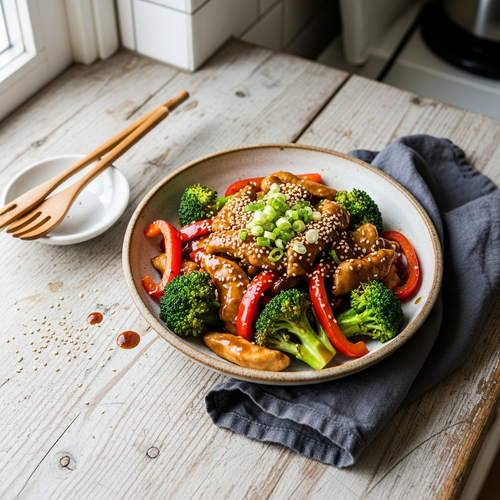
Description: A quick, high-protein teriyaki chicken recipe that tastes like your favorite takeout but is designed for fat loss. It’s packed with flavor, loaded with veggies, and perfect for ADHD-friendly meal prep.
Prep Time: 10 minutes | Cook Time: 15 minutes
Servings: 6
Macros per Serving | Calories: 242 | Protein: 35g | Fat: 5g | Carbohydrates: 14g
Ingredients
- 2 lbs boneless, skinless chicken breasts, cut into 1-inch cubes
- 1 tablespoon avocado or olive oil
- 1 large head of broccoli, cut into florets
- 1 red bell pepper, sliced
- 1/2 cup low-sodium soy sauce or tamari
- 1/4 cup water
- 2 tablespoons honey or maple syrup
- 2 cloves garlic, minced
- 1 teaspoon fresh ginger, grated
- 1 tablespoon rice vinegar
- 1 tablespoon cornstarch, mixed with 2 tablespoons of cold water
- Toasted sesame seeds & sliced green onions for garnish (optional)
Instructions
- In a small bowl, whisk together soy sauce, water, honey, garlic, ginger, and rice vinegar.
- Heat oil in a large skillet over medium-high heat. Add chicken and cook until browned, about 5-7 minutes. Remove chicken from skillet.
- Add broccoli and bell pepper to the skillet and stir-fry for 4-5 minutes until tender-crisp.
- Return chicken to the skillet with the vegetables.
- Pour the sauce over everything and bring to a simmer.
- Slowly whisk in the cornstarch slurry and stir constantly for 1-2 minutes until the sauce thickens.
- Remove from heat, garnish if desired, and serve immediately.
Notes
Macros are estimated for the chicken, vegetables, and sauce only. They do not include any rice, quinoa, or other carb sources served with the meal.
FAQs About Teriyaki Chicken For Weight Loss
Here are some straightforward answers to the most common questions I receive about this teriyaki chicken recipe.
Is this healthy teriyaki chicken recipe good for meal prep?
Absolutely. In fact, I designed this recipe with meal prep in mind. For those of us with ADHD, having healthy, pre-made meals ready to go is one of the most powerful strategies for staying consistent with our nutrition. It eliminates decision fatigue at meal times, which is when we’re most vulnerable to making impulsive, unhealthy choices.
You can easily double this recipe and portion it out into 8-10 meals for the week ahead. It stores perfectly in the fridge for up to four days, and the flavors actually get even better as they sit. Just portion it into airtight containers with a serving of brown rice or cauliflower rice, and you have a complete, macro-friendly meal you can grab and reheat in minutes. This simple act of planning ahead is a game-changer for managing hunger and staying on track with your fat loss goals.
Can I use store-bought sauce for this teriyaki chicken?
You can, but I strongly encourage you to try the homemade sauce first. The main reason is control. The biggest problem with most store-bought teriyaki sauces is the massive amount of sugar and sodium they contain. It’s not uncommon for a two-tablespoon serving to have 10–15 grams of sugar, which can derail your fat loss efforts and trigger more cravings.
That said, I’m all about practicality. If making the sauce from scratch feels like too big of a barrier, there are better options on the market now. Look for brands that are specifically labeled “low sugar,” “keto-friendly,” or “no sugar added.” Read the nutrition label and aim for one with fewer than 5 grams of sugar per serving. While homemade is best for managing your macros precisely, a carefully chosen store-bought sauce is still a better option than ordering takeout.
What makes this teriyaki chicken recipe different from takeout?
The difference is night and day, and it comes down to three key things: sugar, sodium, and cooking method. As mentioned, takeout teriyaki chicken is often swimming in a sauce that’s as sugary as soda. My recipe uses a minimal amount of natural sweetener, giving you that flavor you love without the massive insulin spike and empty calories. This is crucial for managing cravings and promoting fat loss.
Second is the sodium. Restaurant sauces are loaded with it to make them hyper-palatable, which can lead to bloating, water retention, and high blood pressure. We use low-sodium soy sauce to keep those levels in check. Finally, many takeout places deep-fry their chicken before tossing it in sauce to get it extra crispy, adding a ton of unhealthy fats and calories. Our version pan-sears the chicken in a tiny amount of healthy oil, keeping it lean and clean.
How can I make this teriyaki chicken recipe even lower in carbs?
This recipe is already quite low in carbohydrates, but you can definitely adjust it to fit a very low-carb or ketogenic lifestyle. The main source of carbs is the honey or maple syrup in the sauce. The easiest swap is to replace it with a sugar-free liquid sweetener. Liquid monk fruit or a keto-friendly maple syrup substitute would work perfectly here and bring the carb count down to just a few grams per serving.
The other consideration is what you serve it with. Instead of brown rice or quinoa, serve your low-carb teriyaki chicken over a generous portion of cauliflower rice, zucchini noodles (“zoodles”), or steamed green beans. This will give you a big, filling, and satisfying meal that is extremely low in carbohydrates but still high in protein and fiber.
Will eating this teriyaki chicken help me stop craving takeout?
This is the ultimate goal of recipes like this one. Cravings are not a sign of weakness; they are a signal from your brain. Takeout is often engineered to be hyper-palatable, hitting all those sweet, salty, and fatty notes that trigger a dopamine response. The problem isn’t the craving itself, but how we choose to satisfy it. Trying to fight cravings with pure willpower is exhausting and usually fails, especially for the ADHD brain.
This recipe works because it provides a “pattern interrupt.” It gives your brain the same flavor profile it’s asking for—that delicious, savory, slightly sweet umami kick—but in a package that aligns with your goals. When you can satisfy a craving with a high-protein, nutrient-dense meal, you build a sustainable habit. You teach your brain that it can get the flavor it wants without the high-calorie, low-nutrient takeout version. Over time, you’ll find you prefer this version because it leaves you feeling energized and satisfied, not sluggish and bloated.
Try These High-Protein Recipes Next
If you loved this simple and delicious teriyaki chicken, here are a few more high-protein recipes built for a busy, fit lifestyle.
-
2-Minute Healthy Teriyaki Sauce: My go-to recipe for the sauce itself. Make a big batch to have on hand for quick meals all week.
-
Healthy Orange Chicken Recipe: Another takeout classic turned into a fat-loss-friendly meal. It’s tangy, sweet, and packed with over 40g of protein per serving.
-
Grilled Teriyaki Chicken Skewers: This recipe from This Gal Cooks is perfect for summer grilling and offers a different way to enjoy those amazing teriyaki flavors.
Give them a try and keep building that library of go-to meals that make staying on track feel easy.