
I used to see certain foods as off-limits. For me, one of the biggest was naan. I absolutely love Indian food, but that warm, pillowy bread always felt like a “cheat” meal, a guaranteed way to blow my calorie budget and kickstart a spiral of bad choices. That’s classic ADHD all-or-nothing thinking, a trap I fell into for years.
When I was deep in my 65-pound fat loss journey, I realized this mindset was holding me back. Sustainability isn’t about restriction. It’s about re-engineering the foods you love to work for you, not against you. So, I decided to tackle the problem head-on.
I wanted a bread that could satisfy that craving for something to mop up a delicious curry but would also hit my protein goals and keep me full. It had to be simple, because on a low-motivation day, a complicated recipe is a non-starter. This high-protein, low-calorie naan is the result of that mission. It’s a perfect example of how we can build a fit lifestyle that works with our ADHD brain’s need for flavor and satisfaction.
Skip to My Flexibe Diet Recipe!
Why Naan Is Great For Fat Loss
Let’s be brutally honest. Traditional naan isn’t a fat-loss food. It’s made with refined white flour and often brushed with loads of ghee or butter. It tastes amazing, but it’s a fast-digesting carb bomb that can spike your blood sugar and leave you feeling hungry again an hour later.
This recipe turns that entire concept on its head. We’re not just making a “less bad” version. We are building a piece of naan that actively supports your fitness goals. The magic is in the macros. By swapping out a significant portion of the flour for protein powder and using non-fat Greek yogurt as the base, we dramatically increase the protein content while keeping calories in check.
Why does that matter? Protein is the number one tool for hunger management. It digests slowly, keeping you feeling full and satisfied for much longer. For those of us with ADHD, managing hunger is critical. When we’re ravenous, our impulse control goes out the window, and we’re far more likely to grab whatever high-dopamine snack is nearby. This high-protein naan helps prevent that crash.
Each piece is designed to be a building block of a solid meal, not a calorie-dense afterthought. It provides complex carbs for steady energy, and a solid dose of protein to fuel muscle and crush cravings. It’s about making your calories work harder for you, which is the cornerstone of sustainable fat loss.
Ingredients You’ll Need for Naan
The beauty of this recipe is its simplicity. We’re using a handful of smart ingredients to get that classic naan texture and flavor without the nutritional baggage. The key is how these components work together to boost protein and manage calories.
Here’s exactly what you’ll need:
- 1 cup whole wheat flour: This adds fiber and complex carbs for sustained energy.
- ½ cup unflavored whey or plant-based protein powder: This is our protein powerhouse. It’s the secret weapon.
- ½ cup chickpea flour: Adds a slightly nutty flavor, more protein, and helps with the texture.
- 1 teaspoon baking powder: This gives the naan its essential lift and bubbles.
- ½ teaspoon salt: For flavor. Don’t skip it.
- 1 cup plain non-fat Greek yogurt: This is the star player. It provides moisture, a subtle tang, and a huge protein boost while replacing most of the water and fat found in traditional recipes.
- 2-4 tablespoons warm water, as needed: Just enough to bring the dough together.
- 1 clove garlic, minced (optional): For that classic garlic naan flavor.
- 2 tablespoons fresh cilantro, finely chopped (optional): Adds a fresh, bright note.
- Olive oil or butter-flavored cooking spray: For cooking and finishing without adding significant calories.
The most critical ingredient here is the unflavored protein powder. Make sure you choose one that you know mixes well and doesn’t have a strong, chalky taste. A good quality whey isolate or a fine-milled plant-based blend will work best. The brand can make a difference in the final texture, so use one you trust. Likewise, a thick Greek yogurt like Fage or Chobani will yield a better dough than a thinner, more watery yogurt.
How To Make Naan (Step-By-Step)
Making dough can feel intimidating, especially on a day when executive function is low. But this process is incredibly forgiving and fast. We’re not waiting for yeast to rise or doing complex folds. It’s a simple mix, knead, and cook process.
ADHD Tip: Before you start, pull out every single ingredient and piece of equipment. Put your measuring cups, bowl, and skillet on the counter. This technique, “mise en place,” drastically reduces the mental load of cooking and prevents that mid-recipe scramble for a missing ingredient.
Step 1: Combine The Dry Ingredients
In a large mixing bowl, add your whole wheat flour, unflavored protein powder, chickpea flour, baking powder, and salt. Use a whisk to combine them thoroughly. This is a crucial step because it ensures the baking powder is evenly distributed, which is what will give your naan those beautiful bubbles and an even rise when it hits the hot pan.
Step 2: Form The Dough
Now, add the non-fat Greek yogurt to the dry ingredients. If you’re using them, add the minced garlic and chopped cilantro now too. Start mixing with a spoon or a spatula. It will look shaggy and messy at first, and that’s completely normal. Once it starts coming together, add one tablespoon of warm water at a time until a cohesive ball of dough forms. Be careful not to add too much water; you want a soft, slightly sticky dough, not a wet mess.
Step 3: Knead and Divide
Lightly flour your counter or a large cutting board. Turn the dough out and knead it gently for just 2-3 minutes. You’re not trying to develop gluten like in bread making. You’re just ensuring everything is combined and the dough is smooth and elastic. It should feel pliable. Then, use a knife or a bench scraper to divide the dough into 6 equal portions. Roll each one into a small ball.
Step 4: Roll and Cook The Naan
Heat a non-stick skillet or a cast-iron pan over medium-high heat. A hot pan is key. While it’s heating, take one ball of dough and, on your floured surface, use a rolling pin to roll it into a thin oval shape, roughly ¼ inch thick. Don’t worry about making it perfect; rustic shapes are part of the charm.
Lightly spray your hot skillet with cooking spray. Carefully lay the rolled-out dough in the pan. Cook for 1-2 minutes. You’ll see bubbles start to form on the surface, which is exactly what you want. Once the bottom has golden-brown spots, flip it and cook for another 1-2 minutes. The second side usually cooks a bit faster.
Step 5: Finish and Repeat
Remove the finished naan from the pan and place it on a plate. For a little extra flavor and to keep it soft, give it a quick spritz with your cooking spray while it’s still warm. You could even sprinkle it with a tiny bit more salt or cilantro. Repeat the rolling and cooking process with the remaining dough balls. It’s best to serve these warm for the best texture.
How To Serve Naan (ADHD-Friendly)
This high-protein naan is incredibly versatile, which makes it a perfect tool for an ADHD-friendly kitchen. Flexibility is key. Having one food that can be used in multiple ways reduces decision fatigue and makes meal planning feel less like a chore. This naan isn’t just for curry; it’s a launchpad for dozens of quick and healthy meals.
Of course, the most classic way to serve it is alongside a high-protein curry or stew. It’s perfect for scooping up every last bit of delicious sauce. But think beyond the obvious. Here are some simple, low-effort ways to incorporate this naan into your weekly rotation:
- Mini Pizzas: Top a cooked naan with a spoonful of tomato sauce, some shredded mozzarella, and your favorite protein like grilled chicken or turkey pepperoni. Pop it under the broiler for a few minutes until the cheese is bubbly. It’s a 5-minute meal that satisfies pizza cravings.
- Quick Wraps or Tacos: Use the naan as a sturdy, high-protein base for a wrap. Fill it with leftover shredded chicken, a scoop of black beans, some salsa, and a dollop of Greek yogurt. It’s far more filling than a standard tortilla.
- Savory Dips: Pair it with a high-protein dip like hummus or a Greek yogurt-based dip. This makes for an incredibly satisfying snack that will keep you full between meals, preventing the afternoon energy crash that can lead to poor food choices.
The best ADHD-friendly strategy is to batch-cook a full recipe of this naan over the weekend. Once they’re cooked and cooled, you have an instant source of quality carbs and protein ready to go for the week. This kind of “ingredient prep” is a game-changer. When you’re hungry and your brain is tired, you don’t have to think. You just grab, top, and eat.
How To Store, Reheat, and Reuse Naan
One of the core principles of the ADHD FIT lifestyle is to make things easier for your future self. That means leftovers are not just leftovers; they are planned-over components for future meals. This naan recipe is perfect for that. Making a full batch, even if you’re just cooking for one, is a smart move that pays off all week.
Proper storage is simple but essential to keep your naan fresh and ready to use. Here’s how to do it effectively:
- Short-Term (Fridge): Once the naan has cooled completely to room temperature, stack the pieces with a small square of parchment paper between each one to prevent sticking. Place the stack in an airtight container or a zip-top bag. They will keep well in the refrigerator for up to 4 days.
- Long-Term (Freezer): For longer storage, the freezer is your best friend. Follow the same process of stacking with parchment paper, but place them in a freezer-safe zip-top bag. Squeeze out as much air as possible before sealing. They can be frozen for up to 3 months.
ADHD Tip: Use a permanent marker to write the date and “Protein Naan” directly on the freezer bag. This eliminates the guesswork later and prevents it from becoming another Unidentified Frozen Object (UFO) in your freezer.
When you’re ready to eat, reheating is quick. The best method is to warm the naan in a dry, non-stick skillet over medium heat for about 30-60 seconds per side. This brings back its softness and warmth. You can also pop it in a toaster oven. I’d avoid the microwave unless you’re in a real hurry, as it can make the naan a bit tough and chewy once it starts to cool down.
Easy Swaps & Variations for Naan
Flexibility is the name of the game. A recipe is a template, not a rigid set of rules. If you’re missing an ingredient or have dietary restrictions, the last thing I want is for you to give up on the recipe entirely. That’s a perfect setup for the ADHD frustration spiral. Instead, let’s look at some simple swaps and variations you can make to this protein naan recipe.
These adjustments are designed to work with what you have on hand and what fits your specific needs, whether that’s dietary, budget, or just taste preference.
- Flour Swaps: If you don’t have whole wheat flour, you can use all-purpose flour in a 1:1 ratio. The fiber content will be lower, but the recipe will still work perfectly. For a gluten-free version, use a high-quality gluten-free all-purpose blend that contains xanthan gum. The texture will be slightly different, a bit denser, but still delicious.
- Protein Powder Options: Unflavored whey isolate generally yields the best texture, but you can absolutely use an unflavored plant-based protein powder (like a pea or soy blend) or even casein protein. Casein will absorb more liquid, so you may need to add an extra tablespoon or two of water to get the dough consistency right.
- Flavor Variations: This is where you can get creative. Add ½ teaspoon of cumin, turmeric, or smoked paprika to the dry ingredients for a different flavor profile. You can also brush the cooked naan with a tiny bit of melted butter or olive oil infused with garlic and herbs for a richer finish, just be sure to account for the extra calories.
- Dairy-Free Option: To make this naan dairy-free, simply swap the Greek yogurt for a thick, unsweetened dairy-free yogurt (like a coconut or almond-based one) and use a plant-based protein powder. The results are fantastic.
The goal is to make this recipe fit your life. Don’t be afraid to experiment a little. The worst that can happen is you learn what doesn’t work, which is still a step forward. The best that can happen is you discover your new favorite fat-loss staple.
High-Protein, Low-Calorie Naan
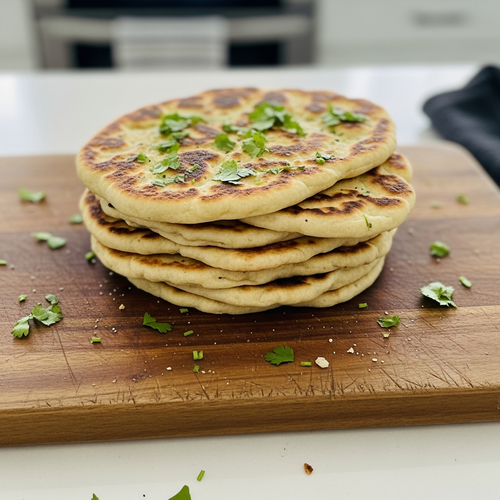
Description: A simple, delicious, and macro-friendly naan bread packed with protein to crush cravings and support fat loss. Perfect for pairing with curries, using as a pizza base, or making quick wraps.
Prep Time: 10 minutes | Cook Time: 15 minutes
Servings: 6 pieces of naan
Macros per Serving | Calories: 165 | Protein: 15g | Fat: 2g | Carbohydrates: 22g
Ingredients
- 1 cup whole wheat flour
- ½ cup unflavored whey or plant-based protein powder
- ½ cup chickpea flour
- 1 teaspoon baking powder
- ½ teaspoon salt
- 1 cup plain non-fat Greek yogurt
- 2-4 tablespoons warm water, as needed
- 1 clove garlic, minced (optional)
- 2 tablespoons fresh cilantro, finely chopped (optional)
- Olive oil or butter-flavored cooking spray
Instructions
- In a large bowl, whisk together the whole wheat flour, protein powder, chickpea flour, baking powder, and salt.
- Add the Greek yogurt, garlic, and cilantro (if using). Stir until a shaggy dough forms.
- Add warm water, 1 tbsp at a time, until the dough comes together into a soft ball.
- Knead on a lightly floured surface for 2-3 minutes until smooth. Divide into 6 equal portions.
- Heat a non-stick skillet over medium-high heat. Roll one portion of dough into a thin oval.
- Spray the skillet with cooking spray and cook the naan for 1-2 minutes per side, until bubbles form and golden-brown spots appear.
- Remove from skillet and lightly spray the finished naan to keep it soft. Repeat with remaining dough.
Notes
The type of protein powder can affect how much water you need. Add water slowly until you reach a soft, manageable dough consistency. Serve warm for the best texture.
FAQs About Naan For Weight Loss
Here are some straightforward answers to the most common questions I receive about this high-protein naan recipe.
Can I make this high-protein naan without protein powder?
Yes, you absolutely can make a version of this naan without protein powder, but it’s important to understand how it will change the recipe. The protein powder serves two functions: it drastically increases the protein content and it acts as a type of flour. If you omit it, you will need to replace its volume with more flour to get the dough consistency right.
To do this, simply replace the ½ cup of protein powder with an additional ½ cup of whole wheat or all-purpose flour. The resulting naan will be much closer to a traditional yogurt-based flatbread. It will still be a healthier option than store-bought naan because it’s made with Greek yogurt and whole wheat flour, but the macros will shift significantly. The protein will decrease, and the carbohydrates will increase. This version will be less effective at managing hunger, so just be mindful of that when planning your meal.
Why is my low-calorie naan dough so sticky?
A sticky dough is the most common issue people run into, and it’s usually an easy fix. The primary cause is a slight imbalance in the wet-to-dry ingredient ratio. This can happen for a few reasons. Different brands of Greek yogurt have varying moisture levels; some are much thicker than others. Similarly, protein powders can differ in how much liquid they absorb. Even the humidity in your kitchen can play a role!
If your dough feels more like a thick batter than a soft dough, simply add a bit more flour, one tablespoon at a time, and mix until it becomes manageable. Don’t overdo it, as adding too much flour can make the final naan tough. You’re looking for a dough that is soft and slightly tacky to the touch but doesn’t stick to your hands in clumps. Also, make sure you’re lightly flouring your work surface and your rolling pin. This small step makes a huge difference in handling the dough without having to add too much extra flour to it.
Is this homemade naan suitable for meal prep?
Yes, this homemade naan is one of my favorite recipes for meal prep. Its structure and versatility are perfect for planning ahead, which is a massive win for managing ADHD and staying consistent with nutrition. The key is to batch-cook the entire recipe at once. It takes about 25 minutes from start to finish to make all six pieces, and that small investment of time on a Sunday can set you up for success all week long.
Once cooked and cooled, you can store them in the fridge for quick meals over the next few days. I use them for quick lunch wraps, as a side for leftover chili, or as a base for a 5-minute pizza. They also freeze exceptionally well, so you can make a double batch and have a high-protein bread option ready to go for weeks. This is a powerful strategy for preventing decision fatigue. When you know you have a healthy, tasty option waiting, you’re far less likely to order takeout on a busy weeknight.
Can I make this naan recipe gluten-free?
You can definitely make this naan recipe gluten-free, but it requires a specific ingredient swap. To do so, you’ll need to replace the whole wheat flour and chickpea flour with a good-quality, all-in-one gluten-free flour blend. Look for a brand that is designed for baking and already contains xanthan gum, as this is essential for providing the structure and elasticity that gluten normally would.
Follow the recipe as written, substituting the flours 1:1. Be prepared for the dough to have a slightly different texture. Gluten-free doughs can sometimes be a bit stickier or more delicate to work with, so be generous when flouring your work surface. The final cooked naan might be a little denser and less chewy than the original version, but it will still be soft, flavorful, and a fantastic high-protein, gluten-free bread option. The taste and macros will remain very similar.
What’s the best pan to cook this protein naan in?
The type of pan you use can make a noticeable difference in the final result. My top recommendation is a well-seasoned cast-iron skillet. Cast iron gets screaming hot and retains that heat evenly, which is the secret to getting those beautiful, big bubbles and charred brown spots characteristic of restaurant-style naan. The intense, direct heat cooks the naan quickly, ensuring it puffs up nicely without drying out.
However, you don’t need a cast-iron pan to make great naan. A good quality, heavy-bottomed non-stick skillet will also work wonderfully. The key is to ensure the pan is properly preheated over medium-high heat before you put the dough in. You want to hear a gentle sizzle when the dough hits the pan. If the pan isn’t hot enough, the naan will cook too slowly and can become dense and cracker-like instead of soft and pillowy.
Try These High-Protein Recipes Next
If you enjoyed this flexible and macro-friendly naan, here are a few other recipes designed to deliver maximum flavor while supporting your fitness goals.
- High-Protein Butter Chicken: The perfect pairing for your homemade naan. This recipe is creamy, rich, and packed with protein to keep you full and satisfied.
- Easy Protein Focaccia Bread: Another simple, high-protein bread recipe that requires no yeast and is incredibly versatile for sandwiches or as a side.
- BBQ Chicken Naan Pizzas: A fantastic idea for using your freshly made naan. This recipe shows you how to turn it into a quick, delicious, and healthy pizza.
Give these a try the next time you’re looking for a meal that works with you, not against you.