
Pancakes used to be my enemy. Seriously. As a single dad with ADHD trying to lose weight, a classic stack of fluffy pancakes felt like a guaranteed way to send my day into a tailspin. I’d eat them, feel great for about 30 minutes, and then crash hard from the sugar and refined carbs. The cravings would hit, my focus would vanish, and my nutrition goals for the day were shot.
I refused to accept that I had to give them up forever. That’s just not how sustainable fat loss works. Restriction leads to binging. Instead of cutting them out, I got obsessed with creating a high-protein version that was just as satisfying. I needed a truly fluffy pancake that would crush cravings and keep me full for hours, not minutes.
After a lot of trial and error in my own kitchen, this is the recipe that changed everything. It’s simple, packed with protein, and genuinely delicious. It’s the perfect example of how we do things at ADHD FIT: working with our brains by giving them the fuel they need, in a format that feels like a treat.
This recipe became a staple in my journey of losing 65-70 pounds, and it’s a breakfast I still rely on today, both for myself and for my kids.
Skip to My Flexibe Diet Recipe!
Why Fluffy Pancakes Are Great For Fat Loss
When you hear “pancakes” and “fat loss” in the same sentence, it can sound like a contradiction. Traditional pancakes are mostly simple carbs and sugar. They spike your blood sugar, which leads to a crash and intense cravings a short time later. That cycle is a huge obstacle when you’re trying to stay in a calorie deficit.
This fluffy pancake recipe flips the script entirely. We’ve engineered it based on the core principles of sustainable fat loss: protein first, hunger management second.
The foundation of this recipe is protein. A single serving packs a massive punch from the egg whites, non-fat Greek yogurt, and whey protein powder. Protein is the most satiating macronutrient, meaning it keeps you feeling full and satisfied for much longer than carbs or fats. This is your number one weapon against mid-morning snacking and mindless grazing.
By starting your day with a high-protein meal, you set yourself up for success. You’re not just filling your stomach; you’re giving your body the building blocks it needs to maintain muscle while you lose fat. This is critical because more muscle means a higher metabolism. Instead of a sugar crash, you get a slow, steady release of energy that helps with focus and mood, which is a game-changer for the ADHD brain.
We also use ingredients like coconut flour and oat fiber. These are high in fiber, which further aids in satiety and helps with digestion. The result is a meal that tastes like a weekend indulgence but works like a high-performance fuel source, making it easy to stick to your goals without feeling deprived.
Ingredients You’ll Need for Fluffy Pancakes
The magic of this recipe is in its simplicity and the way each ingredient works together to create the perfect texture and macros. You won’t find a long, complicated list here. We stick to powerhouse ingredients that are easy to find and deliver amazing results.
Here’s exactly what you’ll need to get started:
- 1/2 cup liquid egg whites: A pure, low-calorie protein source that forms the base of our batter.
- 1/4 cup plain non-fat Greek yogurt: This adds more protein, a slight tang, and crucial moisture to keep the pancakes from getting dry.
- 1/4 cup unsweetened almond milk: Helps thin the batter to the right consistency without adding many calories.
- 1 scoop (around 30g) vanilla or unflavored whey protein powder: The protein powerhouse. The quality and taste of your protein powder will make a big difference, so use one you genuinely enjoy.
- 2 tablespoons coconut flour: This is a key ingredient. It’s extremely absorbent and low in carbs, which helps create that fluffy, cake-like texture. Don’t substitute this 1:1 with other flours.
- 1 tablespoon oat fiber (optional): This is my secret weapon for extra fluffiness. Oat fiber has virtually zero calories and is pure fiber, adding bulk and structure without density.
- 1 teaspoon baking powder: This gives the pancakes their lift, making them rise beautifully on the griddle.
- 1/2 teaspoon vanilla extract: A simple way to add that classic, warm pancake flavor.
- Stevia or other zero-calorie sweetener to taste: Adjust the sweetness to your personal preference.
- Pinch of salt: Balances the sweetness and enhances all the other flavors.
- Cooking spray or a very small amount of coconut oil for the pan: To prevent sticking without adding unnecessary fat and calories.
The protein powder you choose is important. A whey-casein blend often works best for baking as it retains moisture well, but a pure whey isolate also works. Just make sure it’s a flavor you like on its own, as it will be prominent in the final product.
How To Make Fluffy Pancakes (Step-By-Step)
One of our core principles at ADHD FIT is making things brutally practical, especially for low-motivation days. This recipe follows that rule. It’s a simple “mix and cook” process, but a few small details make a huge difference in getting that perfect fluffy texture.
ADHD Tip: Before you start, pull out every single ingredient and measuring tool you need. This technique, called “mise en place,” prevents that mid-recipe scramble where you realize you’re missing something and get overwhelmed. It turns a chaotic process into a simple assembly line.
Step 1: Combine the Wet Ingredients
In a medium-sized bowl, add your liquid egg whites, Greek yogurt, and unsweetened almond milk. Whisk them together until they are smooth and well-combined. You don’t need to go crazy here, just make sure there are no big lumps of yogurt left.
Step 2: Add the Dry Ingredients
Now, add the protein powder, coconut flour, oat fiber (if you’re using it), baking powder, vanilla extract, sweetener, and salt directly into the bowl with the wet ingredients. Using a whisk or a spatula, gently mix everything together until it’s *just* combined. A few small lumps in the batter are perfectly fine. Overmixing will develop the gluten and make your pancakes tough and rubbery.
Step 3: Let the Batter Rest
This is a crucial step! Let the batter sit for about 3 to 5 minutes. Coconut flour is like a sponge; it needs a few minutes to absorb the liquid. This resting period is what thickens the batter and helps create that amazing, cake-like texture. While it’s resting, you can preheat your pan.
Step 4: Cook the Pancakes
Heat a non-stick skillet or griddle over medium-low heat. Getting the temperature right is key. Too hot, and the outside will burn before the inside is cooked. Lightly coat the pan with cooking spray. Pour about 1/4 cup of the thick batter onto the pan for each pancake. Use the back of your spoon to gently spread it into a circle.
Step 5: Flip and Finish
Cook for 2-3 minutes on the first side. You’ll know it’s ready to flip when the edges look dry and a few bubbles start to pop up on the surface. Carefully flip and cook for another 1-2 minutes on the other side until golden brown and cooked through. Serve them immediately and enjoy.
How To Serve Fluffy Pancakes (ADHD-Friendly)
How you serve these pancakes can make all the difference between a simple meal and a sustainable habit. For those of us with ADHD, reducing “decision fatigue” is everything. The more automated and simple we can make our meals, the more likely we are to stick with them consistently. So, let’s build a system around these pancakes.
The goal is to have delicious, low-calorie, high-protein toppings ready to go. This prevents the “what do I put on them?” spiral that can end with you grabbing the high-sugar syrup you were trying to avoid. Create a simple “Pancake Topping Bar” in your fridge.
Here are some of my go-to toppings that are both delicious and aligned with fat loss goals:
- Fresh Berries: Strawberries, blueberries, or raspberries add natural sweetness, fiber, and micronutrients for very few calories.
- More Greek Yogurt: A dollop of plain or vanilla Greek yogurt on top adds extra protein and a creamy texture.
- Sugar-Free Maple Syrup: A staple for getting that classic pancake experience without the sugar load. There are many great-tasting options available now.
- A Small Amount of Nut Butter: A teaspoon of peanut or almond butter, slightly warmed in the microwave to make it drizzly, adds healthy fats and amazing flavor. Just be mindful of the portion size, as calories can add up quickly.
- A Sprinkle of Cinnamon: Zero calories, tons of flavor, and it can help with blood sugar regulation.
ADHD-Friendly System: Cook a double or triple batch of these pancakes over the weekend. Once they cool, store them in the fridge. During the week, your breakfast is already 90% done. All you have to do is grab a few pancakes, pop them in the toaster or microwave, and add your pre-decided toppings. This removes the morning barrier to a healthy breakfast and makes consistency feel effortless.
How To Store, Reheat, and Reuse Fluffy Pancakes
One of the best things about this fluffy pancake recipe is how well it works for meal prep. Let’s be honest, with ADHD, some mornings we just don’t have the executive function to cook from scratch. Having a ready-made, high-protein breakfast waiting for you is a superpower. It’s a practical way to ensure you start your day right, even when motivation is low.
Storing these pancakes correctly is key to making them last and taste great all week. Let them cool completely to room temperature before storing them. If you stack them while they’re still warm, they will steam and become soggy.
Here’s how to store them for maximum freshness and convenience:
- In the Refrigerator: Place the cooled pancakes in an airtight container or a resealable plastic bag. I like to place a small piece of parchment paper between each pancake to prevent them from sticking together. They will stay fresh in the fridge for up to 4 days.
- In the Freezer: For longer-term storage, freezing is the perfect option. Lay the cooled pancakes in a single layer on a baking sheet and place them in the freezer for about 30 minutes, or until they are firm. This is called flash-freezing, and it prevents them from clumping together. Once frozen, transfer them to a freezer-safe bag or container. They can be stored for up to 3 months.
When it’s time to eat, reheating is simple. You can pop them in the toaster or toaster oven for a minute or two, which gives them a slightly crispy edge. You can also microwave them for about 30-45 seconds for a softer texture. If you have a moment, reheating them in a non-stick skillet over low heat also works beautifully. This flexibility makes them an incredibly practical meal prep solution for a busy lifestyle.
Easy Swaps & Variations for Fluffy Pancakes
Flexibility is the key to long-term success. You won’t always have every single ingredient on hand, and that’s okay. A good recipe should be adaptable. This fluffy pancake recipe is very forgiving and allows for some simple swaps and fun variations to keep things interesting and accommodate what you have in your pantry.
Remember that changing ingredients, especially the flours and protein powders, can alter the final texture and macros, but that’s part of the fun. Experiment and find what works best for you. Don’t let the quest for perfection stop you from making a good-enough healthy meal.
Here are some easy and reliable substitutions and additions:
- Protein Powder Swap: While whey protein works great, a whey-casein blend can make the pancakes even more moist and cake-like. You can also use a plant-based protein powder, but you may need to add a little extra almond milk, as plant proteins can be very absorbent.
- Yogurt Alternatives: If you’re out of Greek yogurt, you can substitute it with an equal amount of low-fat cottage cheese (blended smooth first) or even unsweetened applesauce for a dairy-free option, though this will slightly lower the protein content.
- Flavor Variations: This is where you can get creative. Add a teaspoon of cinnamon or pumpkin pie spice to the dry ingredients for a warm, cozy flavor. A tablespoon of unsweetened cocoa powder can turn them into delicious chocolate pancakes. You could also mix in a handful of blueberries or sugar-free chocolate chips into the batter before cooking.
- Flour Adjustments: Coconut flour is unique. If you must substitute it, almond flour is your next best bet, but it’s not a 1:1 swap. You would likely need to use more almond flour (around 1/4 cup) and potentially reduce the liquid. The result will be less fluffy and more dense.
These variations help prevent flavor fatigue and allow you to adapt the recipe based on your dietary needs or what’s on sale at the grocery store. This is how you build a truly sustainable lifestyle.
High-Protein Fluffy Pancakes
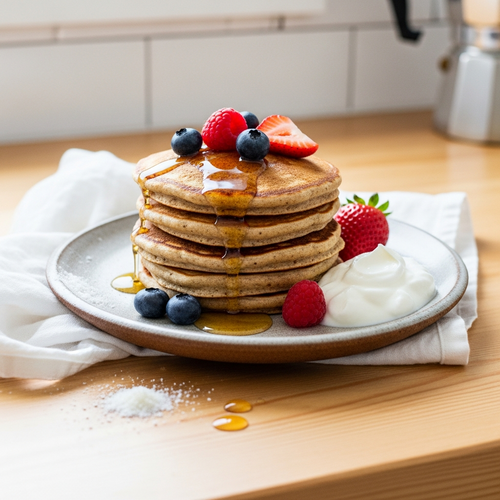
Description: A quick and easy recipe for incredibly fluffy, high-protein pancakes that will crush cravings and support your fat loss goals. Perfect for a satisfying breakfast or a meal-prepped snack.
Prep Time: 5 minutes | Cook Time: 10 minutes
Servings: 1 (makes 3-4 pancakes)
Macros per Serving | Calories: 290 | Protein: 45g | Fat: 4g | Carbohydrates: 17g
Ingredients
- 1/2 cup liquid egg whites
- 1/4 cup plain non-fat Greek yogurt
- 1/4 cup unsweetened almond milk
- 1 scoop (around 30g) vanilla whey protein powder
- 2 tablespoons coconut flour
- 1 tablespoon oat fiber (optional)
- 1 teaspoon baking powder
- 1/2 teaspoon vanilla extract
- Stevia or other zero-calorie sweetener to taste
- Pinch of salt
- Cooking spray
Instructions
- In a medium bowl, whisk together the liquid egg whites, Greek yogurt, and almond milk.
- Add all dry ingredients: protein powder, coconut flour, oat fiber, baking powder, sweetener, and salt.
- Gently whisk until just combined. Do not overmix. Let the batter rest for 3-5 minutes to thicken.
- Heat a non-stick skillet over medium-low heat and coat with cooking spray.
- Pour 1/4 cup of batter per pancake, spreading it gently with a spoon.
- Cook for 2-3 minutes per side, until golden brown and cooked through. Serve immediately.
Notes
The batter will be much thicker than traditional pancake batter. This is normal and necessary for a fluffy result. Be sure your pan is not too hot to prevent the outside from burning before the inside is cooked.
FAQs About Fluffy Pancakes For Weight Loss
Here are some straightforward answers to the most common questions I receive about this fluffy pancake recipe.
Can I make these fluffy pancakes without protein powder?
This is a question I get a lot, and the honest answer is: you can, but they will be very different pancakes. The protein powder in this recipe does more than just add protein; it provides a significant amount of the “flour” and structure. It’s what makes them so filling and macro-friendly. Without it, the texture and nutritional profile will change completely.
If you’re in a pinch and don’t have protein powder, you could try replacing the scoop with about 1/4 cup of oat flour or whole wheat flour and maybe add an extra egg white. However, you’ll be significantly decreasing the protein content and increasing the carbs. The result will be a denser, more traditional pancake, and it won’t have the same hunger-crushing power that makes this recipe so effective for fat loss. My advice is to invest in a quality protein powder you love; it’s a game-changer for hitting your goals.
Why did my fluffy pancakes turn out dry or rubbery?
This almost always comes down to one of three things: overmixing, overheating, or incorrect measurements. The most common culprit is overmixing the batter. Once you add the dry ingredients to the wet, you want to mix them until they are just barely combined. A few lumps are your friend! Overmixing develops the gluten in the protein powder and flour, leading to a tough, rubbery texture.
The second reason is cooking temperature. If your pan is too hot, the outside of the pancake will cook too quickly and may even burn, while the inside remains undercooked and gummy. This forces you to cook it longer, drying it out. Always use medium-low heat for a gentle, even cook. Finally, be precise with the coconut flour. It is incredibly absorbent, and even an extra teaspoon can suck up too much moisture and make the final product dry.
Are these fluffy pancakes good for meal prep?
Absolutely! I designed this recipe with meal prep in mind because, for people with ADHD, having healthy meals ready to go is not a luxury, it’s a necessity for consistency. These pancakes are one of my favorite things to prep on a Sunday. They hold up incredibly well in both the fridge and the freezer, which means you can have a high-protein breakfast ready in under a minute on a busy weekday morning.
The key is to let them cool completely before storing them to avoid sogginess. I recommend making a double or even triple batch. Store them in an airtight container in the fridge for up to four days or freeze them for several months. Reheating them in a toaster gives them a fantastic texture, slightly crisp on the outside and soft on the inside. It’s a simple system that removes a major daily decision and sets you up for success.
What makes these fluffy pancakes better for ADHD than regular pancakes?
This is a fantastic question because it gets to the core of the ADHD FIT philosophy. Traditional pancakes are a disaster for the ADHD brain. They are made of refined flour and sugar, which causes a rapid spike in blood glucose followed by a hard crash. That crash often manifests as irritability, brain fog, and a complete loss of focus, essentially amplifying common ADHD symptoms.
This fluffy pancake recipe does the exact opposite. It’s built around high-quality protein, which digests slowly and provides a steady, sustained release of energy. Protein is also made of amino acids, which are the building blocks for neurotransmitters like dopamine. Properly fueling our brains with protein can help with mood regulation and focus. By starting the day with this meal, you’re not just managing your hunger for fat loss; you’re actively giving your brain the stable fuel it needs to function at its best.
Can I use a different type of flour for this fluffy pancake recipe?
You can experiment with other flours, but it’s important to understand that coconut flour has very unique properties. It is gluten-free, high in fiber, and extremely absorbent, which is what helps create the light, fluffy, cake-like texture in this recipe. You cannot substitute it on a 1:1 basis with other flours. Doing so will throw off the wet-to-dry ingredient ratio and likely result in a very runny or very dense batter.
If you don’t have coconut flour, the next best alternative would be almond flour, but you’ll need to make adjustments. A good starting point would be to use about 1/4 cup of almond flour in place of the 2 tablespoons of coconut flour and possibly reduce the almond milk slightly. The pancakes will be a bit denser and have a higher fat content. Oat flour can also work, but it will yield a much heartier, less fluffy pancake. For the best results and the fluffiest texture, I strongly recommend sticking with coconut flour.
Try These High-Protein Recipes Next
If you loved this simple and delicious high-protein pancake recipe, I know you’ll enjoy some of our other breakfast staples.
- Simple 4-Ingredient Protein Pancakes: This is the ultimate minimalist recipe for when you’re short on time and ingredients but still want a protein-packed breakfast.
- Easy High-Protein Waffles: For those who prefer the crispy pockets of a waffle, this recipe delivers all the flavor and macros you need.
- Easy Fluffy Buttermilk Pancakes: When you’re looking for a more traditional, classic pancake recipe for a family brunch or special occasion, this one is a fantastic choice.
Building a rotation of easy, enjoyable recipes is the secret to staying consistent and reaching your goals.