
I used to think of crab cakes as a “special occasion” food. The kind of thing you order at a restaurant, loaded with mayonnaise and breadcrumbs, and then feel guilty about later. It was an all-or-nothing food. Either I was “on my diet” and couldn’t have them, or I was having a “cheat meal” and would eat way too many.
That black-and-white thinking is a classic ADHD trap. It kept me stuck for years. When I finally started losing weight, it was because I rejected that mindset. I realized I needed food that felt like a treat but still moved me toward my goals. I needed flexibility, not perfection.
That’s why I created this high-protein, low-calorie crab cake recipe. It was born out of a desire to enjoy one of my favorite foods without the guilt or the feeling that I was derailing my progress. These crab cakes are packed with protein, incredibly simple to make, and taste amazing.
They prove that you can build a fit lifestyle you actually love. You don’t have to give up the foods that bring you joy. You just need a better, smarter way to make them. This is that way.
Skip to My Flexibe Diet Recipe!
Why Crab Cake Is Great For Fat Loss
When you’re building a sustainable fat loss plan, your meals need to check a few important boxes. They have to manage hunger, provide solid nutrition, and be something you actually look forward to eating. This crab cake recipe does all three, which is why it’s a staple in my rotation.
First and foremost, it’s a protein powerhouse. The star ingredient, crab meat, is an incredibly lean source of high-quality protein. We then boost that protein content even more by swapping out the traditional mayonnaise for non-fat Greek yogurt. This simple change cuts a massive amount of fat and calories while adding even more protein.
Protein is your best friend during fat loss. It’s the most satiating macronutrient, meaning it keeps you feeling full and satisfied for longer. This is a game-changer for managing cravings, especially for those of us with ADHD who can be prone to impulsive snacking when hunger or boredom strikes.
Beyond protein, this recipe is designed for hunger management. By using almond flour instead of breadcrumbs, we keep the carbs lower and add a bit of healthy fat and fiber. The result is a meal that provides steady energy without the blood sugar spike and crash that can trigger more cravings. You feel full, not stuffed.
Finally, there’s the mental side of things. Eating a delicious, satisfying meal like a crab cake feels like an indulgence. It doesn’t feel like “diet food.” This is crucial for long-term consistency. When your food is enjoyable, you’re less likely to feel deprived and fall into the binge-restrict cycle. It’s a meal that supports your body and your brain.
Ingredients You’ll Need for Crab Cake
One of my core principles is simplicity. A recipe with a million ingredients is a recipe I’ll never make, especially on a low-energy day. This list is short, focused, and uses items that are easy to find. We’re maximizing flavor without creating extra work.
Here’s exactly what you’ll need to make these crab cakes.
- 1 lb lump crab meat, picked over for shells
- 1/4 cup plain non-fat Greek yogurt
- 1 large egg, beaten
- 1/4 cup almond flour
- 2 tablespoons chopped fresh parsley
- 1 tablespoon Dijon mustard
- 1 tablespoon fresh lemon juice
- 1 teaspoon Old Bay seasoning
- 1/4 teaspoon black pepper
- Olive oil spray
The key ingredient that makes this recipe work so well for fat loss is the plain non-fat Greek yogurt. This is our replacement for mayonnaise. It provides that necessary creaminess and tang to bind the crab cakes, but with a fraction of the calories and fat. Plus, it adds a significant protein boost, which is always a win.
Now, let’s talk about the crab meat. The quality here really matters. I strongly recommend using lump crab meat. It comes in larger pieces, giving your crab cakes an amazing, meaty texture. You can find it in the refrigerated seafood section of most grocery stores. Canned crab meat also works perfectly fine and is often more budget-friendly. Just be sure to drain it well and gently pick through it to remove any stray bits of shell.
Using almond flour as a binder instead of traditional breadcrumbs helps keep the recipe low-carb and gluten-free. It has a neutral flavor and provides a great structure without making the crab cakes heavy or dense. It’s all about creating that perfect, tender texture where the crab is the true star.
How To Make Crab Cake (Step-By-Step)
This process is brutally practical. No complicated steps, no special equipment needed. We’re getting from ingredients to delicious crab cakes with as little friction as possible. Following these steps will give you perfect, flavorful patties every time.
Step 1: Preheat Your Oven and Prep Your Pan
First thing’s first, get your oven going. Set it to 400°F (200°C). As soon as you decide to make these, turn on the oven. This is a great ADHD tip for task initiation. It commits you to the process and ensures the oven is ready when you are. While it heats, line a baking sheet with parchment paper. This makes cleanup almost nonexistent, which is a huge win.
Step 2: Mix Your Binder
In a large bowl, you’re going to create the flavor base. Add the Greek yogurt, beaten egg, almond flour, chopped parsley, Dijon mustard, fresh lemon juice, Old Bay seasoning, and black pepper. Whisk it all together until it’s smooth and well combined. This mixture is what will hold the delicate crab meat together and infuse it with all that classic flavor.
Step 3: Gently Fold in the Crab Meat
This is the most important step for texture. Add your lump crab meat to the bowl with the binder. Using a rubber spatula, gently fold the crab meat into the mixture. Be careful not to overmix or break up those beautiful lumps of crab. The goal is to coat the crab, not mash it into a paste. Take your time here. A light touch makes all the difference.
Step 4: Form and Bake the Patties
Now it’s time to shape your crab cakes. You can portion the mixture into 6 to 8 equal patties. An ice cream scoop can help make them uniform in size. Place them on the parchment-lined baking sheet. Lightly spray the tops with olive oil spray, which will help them get golden and crispy. Bake for 12 to 15 minutes. They should be firm and golden brown.
For an extra crispy finish, switch the oven to broil for the last minute or two. Just watch them like a hawk, as they can go from golden to burnt in seconds. Set a timer. Seriously, set it now.
How To Serve Crab Cake (ADHD-Friendly)
A great recipe can be ruined by a complicated serving plan. For those of us with ADHD, decision fatigue is real. The question of “what to serve with it” can be enough to make us abandon the meal entirely. So, let’s keep this part brutally simple and focused on our fat loss goals.
The goal is to pair these crab cakes with sides that are fast, healthy, and require minimal effort. We’re creating a meal template: Protein (crab cakes) + Fiber/Veggies + Optional Smart Carb. This reduces cognitive load and makes mealtime a breeze.
Here are some of my go-to ADHD-friendly serving ideas:
- With a Simple Salad: A bag of pre-washed spring mix or arugula is your best friend. Drizzle it with a little olive oil, lemon juice, salt, and pepper. Dinner is served in 60 seconds.
- With Steamed Veggies: Keep bags of frozen broccoli, green beans, or asparagus on hand. A few minutes in the microwave and you have a perfect, nutritious side dish. No chopping, no mess.
- As a “Burger”: Serve a crab cake on a high-protein bun or in a lettuce wrap with a slice of tomato and onion. This feels substantial and satisfying.
- With a Simple Dip: Mix a little more Greek yogurt with lemon juice, dill, and a pinch of salt for a healthy tartar sauce. It’s creamy, delicious, and adds even more protein.
Don’t overthink it. The crab cakes are the star of the show. The sides are just the supporting cast. Pick one vegetable and you’re done. This approach makes it easy to enjoy a balanced, delicious meal even on days when your executive function is at zero.
How To Store, Reheat, and Reuse Crab Cake
Leftovers are a secret weapon for anyone with a busy life, especially an ADHD brain. Having a delicious, pre-made meal ready to go prevents the last-minute panic that often leads to ordering takeout. But only if you store and reheat it correctly. Let’s make sure your future self thanks you.
Proper storage is key. Once the crab cakes have cooled completely, you can store them in the fridge or freezer. Forgetting food exists in the fridge is a real problem, so we need a system.
- In the Refrigerator: Place the cooked crab cakes in an airtight container. They will stay fresh for up to 3 days. Here’s an ADHD tip: use a clear container and place it at eye-level in your fridge. Label it with the name of the food and the date. Out of sight is truly out of mind.
- In the Freezer: These crab cakes freeze beautifully. Place them on a baking sheet in a single layer and freeze until solid. Then, transfer them to a freezer-safe bag or container. They’ll last for up to 2 months. This is perfect for batch cooking.
When it comes to reheating, our goal is to restore that crispy exterior without drying them out. The microwave is fast, but it can make them a bit soggy. For the best results, use your oven or air fryer. Reheat at 375°F (190°C) for about 10-12 minutes from the fridge, or 15-20 minutes from frozen. They’ll taste just as good as when you first made them.
Don’t be afraid to reuse them in new ways. Crumble a cold crab cake over a salad for a quick protein-packed lunch. Or, gently warm one and place it in a low-carb wrap with some greens for a simple and satisfying sandwich.
Easy Swaps & Variations for Crab Cake
Flexibility is the key to a sustainable diet. You need to be able to adapt recipes based on what you have, what you can afford, and what you feel like eating. Perfectionism is the enemy. This crab cake recipe is a fantastic template, and you should feel empowered to make it your own.
Don’t have an ingredient? Don’t let it stop you from making the recipe. There’s almost always a simple swap that will work just as well. Here are a few ideas to get you started.
- Protein Swap: If lump crab isn’t in the budget, canned crab works great. For a totally different spin, you can use high-quality canned salmon or tuna. Just drain it well and follow the recipe as written.
- Binder Swap: If you don’t have almond flour, you can use regular panko breadcrumbs or even crushed pork rinds for a keto-friendly, zero-carb option. This will change the macros slightly, but the recipe will still be delicious.
- Yogurt Swap: While Greek yogurt is my top choice, you can use a light mayonnaise made with avocado oil if that’s what you have on hand. Just be mindful that this will increase the fat and calorie content.
- Flavor Boosters: Feel free to get creative with the seasonings. Add a pinch of cayenne pepper or a dash of hot sauce for some heat. Fresh dill or chives would also be a fantastic addition to the parsley.
You can also change up the cooking method. If you have an air fryer, these come out incredibly crispy. Cook them at 375°F (190°C) for about 8-10 minutes, flipping halfway through. The most important thing is to make the recipe work for you, not the other way around. Cooking should reduce stress, not add to it.
High-Protein, Low-Calorie Crab Cakes
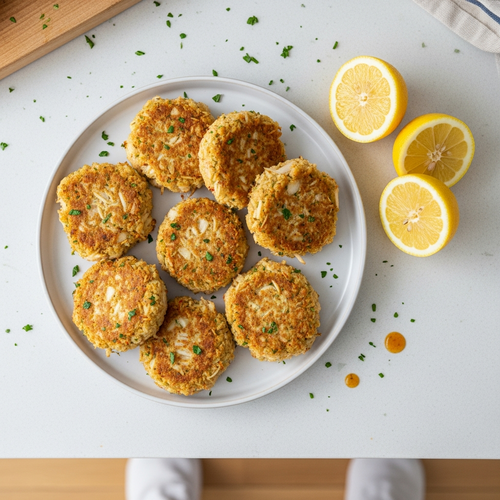
Description: These healthy crab cakes are packed with protein and flavor, using Greek yogurt instead of mayo and almond flour instead of breadcrumbs. They’re baked, not fried, for a simple, low-calorie meal that feels like a gourmet treat.
Prep Time: 10 minutes | Cook Time: 15 minutes
Servings: 6 crab cakes
Macros per Serving | Calories: 117 | Protein: 18g | Fat: 4g | Carbohydrates: 2g
Ingredients
- 1 lb lump crab meat, picked over for shells
- 1/4 cup plain non-fat Greek yogurt
- 1 large egg, beaten
- 1/4 cup almond flour
- 2 tablespoons chopped fresh parsley
- 1 tablespoon Dijon mustard
- 1 tablespoon fresh lemon juice
- 1 teaspoon Old Bay seasoning
- 1/4 teaspoon black pepper
- Olive oil spray
Instructions
- Preheat oven to 400°F (200°C) and line a baking sheet with parchment paper.
- In a large bowl, mix together the Greek yogurt, egg, almond flour, parsley, Dijon mustard, lemon juice, Old Bay, and pepper.
- Gently fold in the lump crab meat, being careful not to break up the chunks.
- Shape the mixture into 6 equal-sized patties and place them on the baking sheet.
- Lightly spray the tops with olive oil spray.
- Bake for 12-15 minutes, or until golden and firm. For extra crispiness, broil for the last 1-2 minutes.
Notes
Be very gentle when folding in the crab meat to maintain the best texture. The recipe works well in an air fryer at 375°F (190°C) for 8-10 minutes.
FAQs About Crab Cake For Weight Loss
Here are some straightforward answers to the most common questions I receive about this crab cake recipe.
Can I eat crab cakes while trying to lose weight?
Absolutely, yes. This is a perfect example of how you can incorporate your favorite foods into a fat loss plan. The key is to focus on the preparation method and ingredients. Traditional restaurant crab cakes are often loaded with high-fat mayonnaise and deep-fried, which skyrockets the calorie count and makes them less than ideal for weight loss goals.
This recipe, however, is specifically designed for a fit lifestyle. By baking instead of frying and using protein-rich Greek yogurt, we create a crab cake that is high in protein and low in calories. The high protein content is incredibly beneficial for weight loss because it promotes satiety, helping you stay full for longer and reducing the urge to snack between meals. This allows you to enjoy a delicious, satisfying meal that feels indulgent but fully supports your progress.
What makes this crab cake recipe healthier than traditional ones?
There are three main modifications that make this crab cake recipe a healthier choice. First, we replace mayonnaise with plain non-fat Greek yogurt. Mayo is mostly oil and fat, whereas Greek yogurt is packed with protein and has far fewer calories. This simple swap dramatically improves the macronutrient profile of the dish without sacrificing the creamy texture that binds it all together.
Second, we use almond flour instead of traditional white breadcrumbs. Almond flour is lower in carbohydrates and higher in fiber and healthy fats, which contributes to better blood sugar control and increased satiety. It creates a great texture without adding empty calories. Third, we bake the crab cakes instead of pan-frying or deep-frying them. This method requires little to no added oil, significantly cutting down on the overall fat and calorie content while still achieving a beautifully golden and slightly crispy exterior.
Can I meal prep this crab cake recipe?
Yes, this crab cake recipe is fantastic for meal prep and there are two ways to do it depending on your schedule. The first method is to prepare the mixture, form the patties, and place them on a parchment-lined baking sheet. You can then cover them tightly and store them in the refrigerator for up to 24 hours before baking. This is a great option if you want fresh-out-of-the-oven crab cakes on a busy weeknight with minimal prep time.
The second method is to bake a full batch ahead of time. Let them cool completely, then store them in an airtight container in the refrigerator for up to three days. You can then reheat them in an oven or air fryer for a few minutes until they are warm and crispy. This “cook once, eat twice” approach is a cornerstone of my ADHD-friendly meal system because it guarantees you have a healthy, delicious meal ready to go when you lack the time or energy to cook from scratch.
Is lump crab meat necessary for a good crab cake?
While lump crab meat will give you the best texture, it is not strictly necessary for a good crab cake. The “lump” variety comes from the large muscles of the crab, resulting in big, meaty chunks that are really satisfying. It’s my preference when I want to make them feel extra special. However, it can be expensive and sometimes hard to find.
You can absolutely make a delicious crab cake with other types of crab meat. “Backfin” meat has smaller flakes and is a great mid-range option. Even standard canned crab meat, which is usually a flakier style, works perfectly well in this recipe and is very convenient and budget-friendly. The most important thing is to drain it well and pick it over for shells. Remember the ADHD FIT principle: consistency beats perfection. Using the crab meat you can access and afford is far better than not making the recipe at all.
What can I use instead of almond flour in this crab cake recipe?
If you don’t have almond flour or have a nut allergy, there are several great substitutes you can use as a binder for your crab cake. Panko or regular breadcrumbs are the most common alternatives. They will give you a classic texture, though they will add more carbohydrates to the recipe compared to almond flour. Just use the same amount called for in the recipe.
For a low-carb and keto-friendly option, finely crushed pork rinds are an excellent choice. They add a savory flavor and get wonderfully crispy when baked. Another gluten-free option is to use a small amount of oat flour or even crushed gluten-free crackers. The key is to add just enough of the binder to help the patties hold their shape. The crab should always be the main ingredient, not the filler.
Try These High-Protein Recipes Next
If you enjoyed these simple and delicious crab cakes, here are a few other high-protein recipes you should try next.
- High Protein Shrimp Scampi: A light, flavorful, and incredibly fast pasta dish that’s perfect for a weeknight meal.
- Simple Baked Salmon Recipe: My go-to method for perfectly cooked salmon every single time, with minimal effort and cleanup.
- Homemade Crab Cakes with Sweet Chili Lime Sauce: For when you want to try another delicious take on crab cakes, this recipe offers a zesty and sweet flavor profile.
Building a library of simple, repeatable meals is the secret to long-term success.