
Macaroni salad was always a staple at my family barbecues. It was creamy, comforting, and usually sitting right next to the potato chips. For years, I saw it as a “cheat day” food. Something you eat when you’re not worried about calories or macros. When I started my fitness journey and lost over 65 pounds, I cut foods like this out completely. It was either “good” food or “bad” food.
That black-and-white thinking is exhausting, especially for an ADHD brain. It leads to restriction, then bingeing, then guilt. It’s a cycle that doesn’t work. After I got my own diet under control, I realized the key isn’t elimination, it’s transformation. It’s about taking the foods you love and making them work for your goals, not against them.
That’s exactly why I created this high-protein macaroni salad. I wanted that same creamy, satisfying flavor from my childhood, but packed with ingredients that would keep me full, build muscle, and crush cravings. I wanted a recipe that I could meal prep on a Sunday and look forward to eating all week. This isn’t a “cheat” meal. It’s a smart, delicious tool for a sustainable fat-loss lifestyle.
Skip to My Flexibe Diet Recipe!
Why Macaroni Salad Is Great For Fat Loss
When you hear “macaroni salad,” you probably don’t think “fat-loss food.” The traditional versions are loaded with full-fat mayonnaise and empty-carb pasta, making them a calorie bomb that leaves you hungry an hour later. This recipe flips the script entirely.
Our approach starts with protein. Food is 75 percent of the results you see, and protein is the king of fat-loss macros. It’s incredibly satiating, which means it keeps you feeling full for longer. This helps kill the random snacking and intense cravings that can derail our progress, something many of us with ADHD struggle with.
We pack this salad with protein from three sources. We use chickpea or lentil-based pasta instead of traditional semolina pasta. This simple swap dramatically increases the protein and fiber content. Then we add lean, diced chicken breast and a creamy, tangy dressing made from non-fat Greek yogurt. The Greek yogurt provides a huge protein boost while cutting way back on the fat and calories found in a mayo-heavy dressing.
This isn’t about eating tiny, unsatisfying portions. This is about eating smarter. This macaroni salad is a complete meal. It has protein, complex carbs, and tons of veggies for fiber and nutrients. You can eat a big, satisfying bowl that manages your hunger, fuels your workouts, and still keeps you in a calorie deficit for steady, sustainable fat loss. It’s the definition of working with your brain, not against it.
Ingredients You’ll Need for Macaroni Salad
The magic of this recipe is in the ingredient swaps. We’re keeping all the classic flavor and texture of a great macaroni salad but upgrading the nutrition to support your fitness goals. Every ingredient has a purpose, from boosting protein to adding flavor without empty calories.
The real star of the show is the pasta itself. By switching to a chickpea or lentil-based elbow macaroni, you’re getting a huge jump in protein and fiber before you even add anything else. This is a game-changer for hunger management. I find brands like Banza or Barilla Protein+ work exceptionally well and hold up perfectly in the salad without getting mushy.
Here’s the full list of what you’ll need:
-
8 oz chickpea or lentil-based elbow macaroni
-
1 cup non-fat plain Greek yogurt
-
¼ cup light mayonnaise
-
2 tablespoons apple cider vinegar
-
1 tablespoon Dijon mustard
-
1 teaspoon honey or maple syrup (optional)
-
½ teaspoon garlic powder
-
Salt and freshly ground black pepper to taste
-
1 cup cooked, diced chicken breast
-
1 cup finely chopped celery
-
½ cup shredded carrots
-
½ cup diced red bell pepper
-
¼ cup finely chopped red onion
-
¼ cup chopped fresh dill or parsley
-
2 hard-boiled eggs, chopped (optional, for an extra protein boost)
A quick note on the dressing. Using non-fat plain Greek yogurt is crucial. Fage or Chobani are great options because they are thick and creamy. We keep a little light mayonnaise in there for that classic taste, but the yogurt does the heavy lifting. This combination gives you the perfect creamy texture without the calorie overload.
How To Make Macaroni Salad (Step-By-Step)
Making this high-protein macaroni salad is incredibly straightforward. We want simple steps that are easy to follow, even on days when motivation is low. The whole process is designed to be efficient, getting you a big batch of delicious, healthy food with minimal fuss.
Remember, brutal practicality wins. Don’t overthink this. Just follow the steps, and you’ll have a perfect meal prep for the week.
Step 1: Cook The Pasta
Start by bringing a large pot of salted water to a boil. This is your chance to get the foundation right. Cook the chickpea or lentil macaroni according to the package directions. These pastas can sometimes cook a bit faster than traditional pasta, so keep an eye on it to avoid a mushy result. Once it’s al dente, drain it immediately and rinse it with cold water. This stops the cooking process and cools it down quickly, which is essential for a cold pasta salad.
Step 2: Prepare The Dressing
While the pasta is cooking, you can multitask and whip up the dressing. This is an ADHD-friendly hack. Using downtime to complete another step keeps the momentum going. In a large bowl, whisk together the Greek yogurt, light mayonnaise, apple cider vinegar, Dijon mustard, optional honey, garlic powder, salt, and pepper. Keep whisking until it’s completely smooth and creamy. This is the flavor base, so taste it and adjust if needed.
Step 3: Combine Everything
Once the pasta is cooled and the dressing is ready, it’s time to assemble. Add the cooled macaroni, diced chicken breast, celery, carrots, bell pepper, red onion, and fresh herbs to the large bowl with the dressing. If you’re adding the optional hard-boiled eggs for more protein, gently fold them in now to keep them from breaking apart too much.
Step 4: Mix and Chill
Stir everything together until the pasta and veggies are evenly coated in that creamy dressing. Now for the most important step: patience. Cover the bowl and refrigerate it for at least 30 minutes. This allows all the flavors to meld together. Trust me, it tastes ten times better after it has had time to sit. Before serving, give it one last stir and taste for seasoning.
How To Serve Macaroni Salad (ADHD-Friendly)
One of the best things about this macaroni salad is its versatility. It’s a complete meal in a bowl, which is perfect for simplifying your eating routine. For those of us with ADHD, reducing the number of daily food decisions is a huge win. When you have a go-to meal ready in the fridge, you’re less likely to get overwhelmed and order takeout.
I build my entire week around pre-made lunches. It eliminates decision fatigue during the busiest part of my day. I portion out the salad into individual containers right after I make it. When lunchtime hits, I just grab one and go. No thinking, no prep, just a delicious and filling meal that keeps me on track.
Here are a few ways to serve it to keep things interesting and aligned with your goals:
-
As a Standalone Meal: A big bowl of this is perfectly balanced with protein, carbs, and fats. It’s a satisfying lunch or a light dinner. I often eat it right out of my meal prep container.
-
With Extra Greens: To boost the volume and fiber even more, serve a scoop of the macaroni salad on a big bed of spinach or mixed greens. The creamy dressing coats the leaves, so you don’t even need extra salad dressing.
-
As a Healthy Side Dish: Bring this to a barbecue or potluck. It’s a fantastic, healthier alternative to traditional pasta salads. It pairs perfectly with grilled chicken, burgers, or fish. You get to enjoy the social aspect of food without compromising your goals.
The key is to make it easy on your future self. The five minutes you spend portioning it out on Sunday will save you so much mental energy during the week. That’s how you build a system that supports you, especially on the days when executive function is low.
How To Store, Reheat, and Reuse Macaroni Salad
Meal prep is only effective if the food stays fresh and delicious throughout the week. The good news is that this macaroni salad holds up beautifully in the fridge. In fact, the flavors get even better on the second and third day as everything marinates in the dressing. Proper storage is key to making this a reliable weekly staple.
Since this is a cold salad, there’s no reheating involved, which makes it even more convenient. It’s the ultimate grab-and-go meal. Just be sure to store it correctly to maintain its texture and safety. The Greek yogurt and light mayo base means it needs to stay refrigerated.
Here’s my simple system for storing and reusing leftovers:
-
Storage: The best way to store this salad is in an airtight container in the refrigerator. This prevents it from drying out and absorbing any other fridge odors. It will stay fresh for up to 4–5 days.
-
Portioning for Success: As I mentioned, I highly recommend portioning the salad into individual containers immediately after making it. This is an ADHD-friendly trick to automate healthy choices. When lunch is pre-portioned, there’s zero friction to eating a healthy meal.
-
Reviving Leftovers: After a day or two, the pasta might absorb some of the dressing, making it seem a little dry. If this happens, just add a small spoonful of Greek yogurt and a splash of water or vinegar and stir it up. It will be just as creamy as the day you made it.
This salad is also great for repurposing. If you get tired of eating it straight, you can stuff it into a whole-wheat pita pocket or wrap it in a low-carb tortilla with some lettuce for a brand-new meal. Flexibility keeps things from getting boring, which is essential for long-term consistency.
Easy Swaps & Variations for Macaroni Salad
The best recipes are flexible. Life gets busy, and sometimes you don’t have every single ingredient on hand. Or maybe you just want to switch things up to keep your taste buds interested. This macaroni salad recipe is a fantastic template that you can easily adapt to your preferences, dietary needs, or what’s in your fridge.
Remember, the goal is consistency, not perfection. A “good enough” meal that you actually make is always better than a “perfect” meal you keep putting off. Don’t let a missing ingredient stop you. Use these swaps to make the recipe work for you, right now.
Here are some simple and effective variations:
-
For a Vegetarian Version: This is an easy one. Simply omit the chicken breast. To keep the protein high, you can add a can of rinsed chickpeas or some crumbled firm tofu. The chickpea pasta and Greek yogurt already provide a solid protein base.
-
Switch Up the Protein: If you’re not a fan of chicken, try using canned tuna or salmon (drained well). You could also use chopped deli turkey or ham. Leftover shredded rotisserie chicken is a huge time-saver here.
-
Add Different Veggies: This recipe is a great way to clean out your vegetable drawer. Feel free to add things like chopped broccoli florets, peas, corn, or diced cucumber. Almost any crunchy vegetable will work well.
-
Spice It Up: If you like a little heat, add a pinch of cayenne pepper or a dash of your favorite hot sauce to the dressing. You could also add some chopped jalapeños for an extra kick.
The core components to keep are the high-protein pasta and the Greek yogurt-based dressing. As long as you have those, you can customize the mix-ins however you like while still keeping the meal balanced and supportive of your fat-loss goals.
High-Protein, Low-Calorie Macaroni Salad
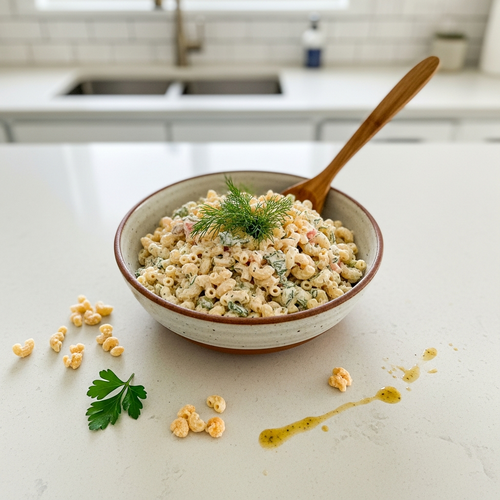
Description: A creamy, delicious, and satisfying macaroni salad packed with protein to support fat loss and a fit lifestyle. Perfect for meal prep and designed to work with your ADHD brain, not against it.
Prep Time: 15 minutes | Cook Time: 10 minutes
Servings: 6
Macros per Serving | Calories: 260 | Protein: 20.5g | Fat: 7.7g | Carbohydrates: 27g
Ingredients
- 8 oz chickpea or lentil-based elbow macaroni
- 1 cup non-fat plain Greek yogurt
- ¼ cup light mayonnaise
- 2 tablespoons apple cider vinegar
- 1 tablespoon Dijon mustard
- 1 teaspoon honey or maple syrup (optional)
- ½ teaspoon garlic powder
- Salt and freshly ground black pepper to taste
- 1 cup cooked, diced chicken breast
- 1 cup finely chopped celery
- ½ cup shredded carrots
- ½ cup diced red bell pepper
- ¼ cup finely chopped red onion
- ¼ cup chopped fresh dill or parsley
- 2 hard-boiled eggs, chopped (optional)
Instructions
- Cook macaroni according to package directions. Drain and rinse with cold water until cool.
- While pasta cooks, whisk together Greek yogurt, light mayonnaise, vinegar, mustard, honey (if using), garlic powder, salt, and pepper in a large bowl.
- Add the cooled macaroni, chicken, celery, carrots, bell pepper, onion, and herbs to the dressing.
- Gently fold in the chopped hard-boiled eggs, if using. Stir until everything is well combined.
- Cover and refrigerate for at least 30 minutes to let the flavors meld. Adjust seasoning before serving.
Notes
For best results, use a thick, high-quality Greek yogurt like Fage or Chobani. The salad’s flavor improves as it sits, making it ideal for meal prepping.
FAQs About Macaroni Salad For Weight Loss
Here are some straightforward answers to the most common questions I receive about this macaroni salad recipe.
Can you really eat macaroni salad and still lose weight?
Absolutely, yes. The key is to shift your mindset from “good foods” versus “bad foods” and focus instead on the ingredients and macros. Traditional macaroni salad is typically high in calories, fat, and simple carbs because it’s made with full-fat mayo and refined white pasta. That combination can easily push you over your daily calorie target and won’t keep you full for very long.
This recipe is fundamentally different. We build it with weight loss in mind by prioritizing protein and fiber. Using chickpea pasta, Greek yogurt, and lean chicken breast transforms the dish from a calorie-dense side into a nutrient-dense, high-protein meal. This version keeps you full and satisfied, reduces cravings, and provides the fuel your body needs to build and maintain muscle while you’re in a calorie deficit. It’s not about restriction; it’s about making smart, strategic swaps.
Will the chickpea pasta in this macaroni salad get mushy?
This is a great question because nobody wants a mushy pasta salad. The texture is crucial. From my experience, chickpea and lentil pastas hold up remarkably well, but there are a few simple tricks to ensure they stay perfectly firm. First, make sure you cook the pasta just until it’s al dente, meaning it still has a slight bite. Check the package directions, and maybe even test a piece a minute before the recommended time is up.
The second critical step is to rinse the pasta with cold water immediately after draining it. This does two things: it stops the cooking process instantly, and it washes away some of the excess starch, which helps prevent sticking and sogginess. As long as you follow these two steps, your macaroni salad will have a great texture, even after a few days in the fridge.
How can I make this macaroni salad recipe even lower in calories?
This recipe is already quite calorie-conscious, but if you need to lower the numbers further, there are a few easy adjustments you can make. The first place to look is the dressing. While we only use a small amount of light mayonnaise for flavor, you could omit it entirely and use only Greek yogurt. This would cut out a significant number of fat calories. You might need to add a little extra vinegar or mustard to balance the tang of the yogurt.
Another option is to increase the ratio of vegetables to pasta. You could reduce the amount of pasta to 6 oz instead of 8 oz and add an extra cup of non-starchy vegetables like diced cucumber, broccoli, or bell peppers. This adds more volume and fiber to the salad for very few calories, making each serving even more filling without increasing the overall energy density.
What is the best way to meal prep this macaroni salad for the week?
This recipe is a meal prep dream. The best strategy is to make a full batch on a Sunday to set yourself up for a successful week. After you’ve mixed everything together and let it chill for at least 30 minutes, portion it out into individual airtight containers. I recommend using a food scale to ensure your portions are consistent, which makes tracking macros much easier.
One pro-tip for keeping it extra fresh is to wait to add the fresh herbs until you’re ready to eat, or add them to the bottom of the container before you scoop the salad in. Sometimes delicate herbs like dill or parsley can wilt slightly after a few days. Storing it this way keeps everything crisp. Then, just grab a container from the fridge each day for a no-fuss, ready-to-eat lunch.
Can I use regular pasta in this macaroni salad recipe?
You certainly can use regular semolina pasta if that’s what you have on hand. The recipe will still work, and it will still be much healthier than a traditional mayo-drenched version. However, it’s important to understand the nutritional trade-off. Using regular pasta will significantly decrease the overall protein and fiber content of the dish.
The chickpea or lentil pasta is a key component in making this macaroni salad so effective for hunger management and fat loss. If you do use regular pasta, the calorie count will be similar, but the protein will be much lower. You may find that it’s not quite as filling or satisfying. If you have to make the swap, I’d suggest adding an extra ounce or two of chicken or an additional hard-boiled egg to help make up for the lost protein.
Try These High-Protein Recipes Next
If you loved this simple and delicious approach to a classic comfort food, here are a few other recipes you should try.
-
High-Protein Pasta Salad: Another fantastic meal prep option that’s loaded with flavor and protein to keep you full for hours.
-
High-Protein Potato Salad: My take on another barbecue classic, transformed into a muscle-building, fat-loss friendly meal.
-
Creamy Bacon Ranch Pasta Salad: A rich and flavorful pasta salad that uses smart swaps to deliver on taste without derailing your progress.
These recipes all follow the same principles: simple, practical, high in protein, and designed for a sustainable lifestyle.