
Teriyaki sauce has always been one of my biggest comfort foods. Growing up, a bottle of it was a staple in our fridge. Pour it over some chicken and rice, and you had a meal. Simple. Delicious. When I started my fitness journey, aiming to lose that 65-70 pounds, I quickly realized my old friend was a problem.
Store-bought teriyaki sauce is a sugar bomb. Seriously, check the label next time you’re at the store. It’s often loaded with high-fructose corn syrup, tons of sodium, and a list of ingredients I can’t pronounce. It was a calorie trap that spiked my cravings and worked directly against my fat loss goals.
I refused to give it up entirely. That’s not how sustainable fat loss works. Restriction leads to binging, a cycle many of us with ADHD know all too well. Instead of cutting it out, I decided to build a better version from the ground up. I needed a teriyaki sauce that delivered all the savory, sweet, and tangy flavor I loved, without the nutritional baggage.
This recipe is the result of that mission. It’s simple, quick to make, and built with ingredients that support your goals. It’s a tool that helps you stay consistent by making healthy food taste amazing. It proves you don’t have to eat bland food to get fit.
This is the sauce that helped me make lean protein and veggies a daily habit, both before and after I started medication. It works with your brain, not against it.
Skip to My Flexibe Diet Recipe!
Why This Teriyaki Sauce Is Great For Fat Loss
When we’re talking about fat loss, managing your calorie intake is king. Food is genuinely 75 percent of your results. The biggest challenge? Sticking with it. That’s where flavor becomes your secret weapon, and this teriyaki sauce is a game-changer.
Most commercial sauces are what I call “calorie bombs.” They are packed with sugar, which adds hundreds of empty calories to an otherwise healthy meal. A quarter cup of a popular brand can have over 30 grams of sugar. That’s more than a candy bar. This sugar spike can also trigger more cravings, leading to a vicious cycle that derails your progress.
My recipe solves this problem by swapping sugar for a zero-calorie brown sugar substitute. You get that deep, molasses-like sweetness that’s essential for a good teriyaki, but with virtually no calories or carbs. This single swap dramatically lowers the calorie count, making the sauce a tool for flavor, not a source of excess energy.
We also use low-sodium soy sauce. High sodium intake can cause water retention, making you feel bloated and masking your actual fat loss progress on the scale. By controlling the sodium, you feel better and get a more accurate picture of your results. This sauce helps you manage hunger and cravings by making your high-protein meals incredibly satisfying. When your food tastes this good, you’re less likely to seek out those high-calorie comfort foods. It’s about creating a plan you can stick to for the long haul.
For the ADHD brain, simplicity is everything. Having a delicious, pre-made sauce on hand eliminates decision fatigue at mealtime. You don’t have to wonder what to make. You just grab your protein, your veggies, and this sauce. It’s a system, and systems are what help us stay consistent on days when motivation is low.
Ingredients You’ll Need for Teriyaki Sauce
The beauty of this recipe is its simplicity. We’re using a handful of pantry staples to create a flavor that rivals any restaurant or store-bought brand. Every ingredient serves a purpose, and there’s no junk or fillers. Here’s exactly what you’ll need.
-
1/2 cup low-sodium soy sauce or tamari
-
1/2 cup water or unsalted chicken/vegetable broth
-
1/4 cup zero-calorie brown sugar substitute (e.g., erythritol or monk fruit)
-
2 cloves garlic, minced
-
1 tablespoon fresh ginger, grated
-
1 tablespoon rice vinegar
-
1 teaspoon toasted sesame oil
-
1 tablespoon cornstarch
-
2 tablespoons cold water
-
Optional: 2 tablespoons unsweetened pineapple juice
The absolute star of the show here is the zero-calorie brown sugar substitute. This is what makes our teriyaki sauce guilt-free. Brands like Swerve or Lakanto make excellent brown sugar alternatives that pack and taste just like the real thing, giving the sauce that authentic, rich flavor without the sugar load.
For the base, I strongly recommend low-sodium soy sauce. The regular version can make the sauce overwhelmingly salty. If you’re gluten-free, tamari is a perfect one-to-one substitute. The quality of your soy sauce matters, so grab a decent brand if you can.
Fresh garlic and ginger are non-negotiable for the best flavor. The pre-minced stuff in a jar is okay in a pinch, but the vibrant, zesty punch from fresh aromatics makes a world of difference. An ADHD-friendly tip: buy a tube of grated ginger or minced garlic. It’s a great middle-ground between fresh and powdered.
Finally, the toasted sesame oil adds a nutty depth that you just can’t skip. A little goes a long way. This ingredient brings everything together for that classic teriyaki finish.
How To Make Teriyaki Sauce (Step-By-Step)
This process is incredibly straightforward. It takes about 10 minutes from start to finish, and the payoff is huge. My biggest ADHD tip for any recipe is “mise en place,” which is just a fancy way of saying “get all your stuff ready before you start.” Measure out all your ingredients first. This prevents that mid-recipe panic when you realize you can’t find the cornstarch.
Step 1: Combine the Main Ingredients
In a small saucepan, combine the low-sodium soy sauce, water or broth, zero-calorie sweetener, minced garlic, grated ginger, rice vinegar, toasted sesame oil, and the optional pineapple juice if you’re using it. Don’t turn the heat on just yet. Just get everything into the pot.
Step 2: Bring to a Simmer
Give the ingredients a good whisk to combine everything, especially to help the sweetener dissolve. Now, place the saucepan over medium heat. Bring the mixture to a gentle simmer. You don’t want a rolling boil, just some small bubbles breaking the surface. This step is all about waking up the flavors of the garlic and ginger.
Step 3: Make the Cornstarch Slurry
While the sauce is coming to a simmer, grab a separate small bowl. Add the cornstarch and the two tablespoons of cold water. It is critical that the water is cold. If you mix cornstarch with hot water, it will clump up instantly. Whisk the cornstarch and cold water together until it forms a smooth, milky liquid with no lumps. This is your slurry, and it’s what will thicken the sauce.
Step 4: Thicken the Sauce
Once the sauce in your pan is simmering, grab your whisk again. Start whisking the sauce with one hand while you slowly pour the cornstarch slurry in with the other. This constant motion is key to a perfectly smooth, thick sauce. If you just dump the slurry in, it can clump up.
Step 5: Simmer and Finish
Continue to simmer and stir the sauce for another 1 to 2 minutes. You’ll feel it thicken up almost immediately. Once it’s thick enough to coat the back of a spoon, it’s done. Don’t be tempted to over-thicken it on the stove.
Step 6: Cool Down
Remove the saucepan from the heat. Remember, the sauce will continue to thicken quite a bit as it cools down. Let it sit for a few minutes before you use it or transfer it to a storage container.
How To Serve Teriyaki Sauce (ADHD-Friendly)
Having this teriyaki sauce in your fridge is like having a healthy meal shortcut on standby. The goal here is to make delicious, high-protein meals as easy as possible, especially on days when your executive function is low. A little prep goes a long way.
My number one ADHD-friendly tip is to make a full batch of this sauce on a Sunday and store it in a squeeze bottle. This removes a step during the busy week and makes portioning it out incredibly simple. When it’s time to cook, you just grab and squeeze. No measuring spoons, no mess.
This sauce is incredibly versatile. It’s not just for stir-fries. Use it to make your staple fat-loss meals exciting and sustainable. Here are some of my go-to combinations that are quick, easy, and require minimal brainpower:
-
Teriyaki Chicken Bowl: Drizzle the sauce over grilled or pan-seared chicken breast. Serve with a side of microwavable brown rice or quinoa and some steamed broccoli. You can buy frozen, pre-cooked chicken strips and steam-in-bag broccoli to make this a 5-minute meal.
-
Salmon Glaze: Brush the sauce onto salmon fillets during the last few minutes of baking or air frying. The sauce caramelizes beautifully and creates an amazing crust.
-
Lean Ground Beef Stir-fry: Brown some lean ground beef or turkey, toss in a bag of frozen stir-fry vegetable mix, and pour over the teriyaki sauce. It’s a complete meal in one pan, which means less cleanup.
-
Tofu or Edamame Marinade: For a plant-based option, this sauce works great as a marinade for extra-firm tofu or as a finishing sauce for steamed edamame.
You can also use it as a dipping sauce for chicken skewers, shrimp, or even spring rolls. The key is to have it ready to go. By removing barriers to cooking, you make it easier to stick to your plan and avoid the temptation of takeout after a long day.
How To Store, Reheat, and Reuse Teriyaki Sauce
One of the best things about this homemade teriyaki sauce is that it stores beautifully. Making a batch ahead of time is a core part of my ADHD-friendly meal prep system. It’s a simple act of “being kind to your future self.”
For storage, let the sauce cool completely to room temperature. Then, pour it into an airtight container. I highly recommend a glass mason jar or a squeeze bottle for easy pouring. Stored in the refrigerator, this sauce will easily last for up to two weeks. The soy sauce and vinegar act as natural preservatives.
Here’s an essential ADHD tip: label the container. Grab a piece of masking tape or painter’s tape, write “Teriyaki Sauce” and the date you made it, and stick it on the jar. The “out of sight, out of mind” struggle is real. A clear label keeps it from becoming a mystery container in the back of your fridge.
You can absolutely use the sauce cold, especially as a dressing for a chicken salad or as a dipping sauce. If you want to serve it warm, you have a couple of options:
-
Saucepan: Pour the desired amount into a small saucepan and gently warm it over low heat for a few minutes, stirring occasionally. If it has thickened up too much in the fridge, whisk in a splash of water or broth to thin it out to your desired consistency.
-
Microwave: Place the sauce in a microwave-safe bowl and heat it in 20-second intervals, stirring in between, until it’s warmed through. Again, add a little water if needed to adjust the consistency.
For longer-term storage, you can freeze it. An amazing hack is to pour the sauce into an ice cube tray. Once frozen, pop the cubes out and store them in a labeled freezer bag. This gives you perfectly portioned, single-serving amounts of sauce that you can thaw and use anytime. It’s a fantastic way to reduce waste and make future meal prep even faster.
Easy Swaps & Variations for Teriyaki Sauce
One of my core principles is that a good system has to be flexible. This teriyaki sauce recipe is a fantastic baseline, but you can absolutely adjust it to fit your tastes, dietary needs, or what you happen to have in your pantry. Rigid plans are fragile plans, especially for the ADHD brain. Let’s make this work for you.
Don’t be afraid to experiment. A recipe is a guide, not a strict set of rules. The goal is to create a tool that you will actually use consistently. Here are a few simple swaps and additions you can try:
-
For a Soy-Free Version: If you avoid soy or are just looking for a different flavor profile, you can substitute the low-sodium soy sauce with an equal amount of coconut aminos. It’s a bit sweeter, so you might want to slightly reduce the zero-calorie sweetener to compensate.
-
Add Some Heat: If you like your sauce with a kick, add 1/2 teaspoon of red pepper flakes or a teaspoon of sriracha to the saucepan with the other ingredients. Adjust the amount based on your personal spice tolerance.
-
Shortcut Aromatics: While fresh is best, life gets busy. On low-energy days, it’s perfectly fine to use shortcuts. You can substitute the fresh garlic and ginger with powdered versions. Use about 1/2 teaspoon of garlic powder and 1/4 teaspoon of ground ginger.
-
Different Thickener: If you don’t have cornstarch or prefer to avoid it, you can use arrowroot starch as a one-to-one replacement. It creates a similarly glossy finish. For a keto-friendly option, a tiny pinch (about 1/4 teaspoon) of xanthan gum will also work, but be careful not to use too much.
-
Orange Teriyaki: Swap the optional pineapple juice for an equal amount of fresh orange juice and add a little bit of orange zest for a bright, citrusy twist on the classic flavor.
These variations allow you to keep things interesting without derailing your goals. Having options prevents boredom and makes it easier to stick with your healthy eating habits over the long term.
Healthy Low-Calorie Teriyaki Sauce
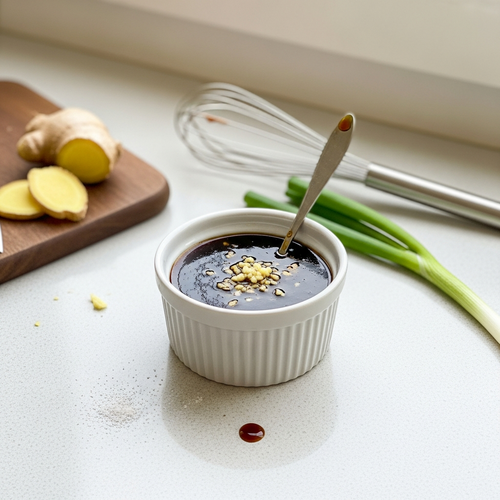
Description: A quick, easy, and healthy homemade teriyaki sauce that’s perfect for fat loss. It’s sweet, savory, and tangy without the sugar and excess sodium found in store-bought versions. Perfect for glazing, marinades, or stir-fries.
Prep Time: 5 minutes | Cook Time: 10 minutes
Servings: 8 (2 tablespoons per serving)
Macros per Serving | Calories: 15 | Protein: 1g | Fat: 0.5g | Carbohydrates: 2g
Ingredients
- 1/2 cup low-sodium soy sauce or tamari
- 1/2 cup water
- 1/4 cup zero-calorie brown sugar substitute
- 2 cloves garlic, minced
- 1 tablespoon fresh ginger, grated
- 1 tablespoon rice vinegar
- 1 teaspoon toasted sesame oil
- 1 tablespoon cornstarch
- 2 tablespoons cold water
- Optional: 2 tablespoons unsweetened pineapple juice
Instructions
- In a small saucepan, combine soy sauce, water, sweetener, garlic, ginger, rice vinegar, sesame oil, and optional pineapple juice.
- Whisk together and bring to a simmer over medium heat.
- In a separate small bowl, whisk the cornstarch and cold water to create a smooth slurry.
- While whisking the simmering sauce, slowly pour in the cornstarch slurry.
- Continue simmering and stirring for 1-2 minutes until the sauce thickens.
- Remove from heat and let cool slightly before serving.
Notes
The sauce will thicken more as it cools. Store in an airtight container in the refrigerator for up to 2 weeks. For a spicier sauce, add 1/2 teaspoon of red pepper flakes.
FAQs About Teriyaki Sauce For Weight Loss
Here are some straightforward answers to the most common questions I receive about this teriyaki sauce recipe.
Is this homemade teriyaki sauce truly healthy?
Yes, absolutely. The term “healthy” can be subjective, but when it comes to supporting fat loss, this recipe is designed with exactly that in mind. The biggest difference between this sauce and store-bought versions is our control over the two most problematic ingredients: sugar and sodium. By using a zero-calorie sweetener, we eliminate the empty calories and blood sugar spikes that come from high-fructose corn syrup or regular sugar.
We also use low-sodium soy sauce to keep salt levels in check, which helps prevent water retention and bloating. Every ingredient in this recipe is a whole, simple component. There are no weird preservatives, artificial flavors, or fillers. You’re getting pure flavor from garlic, ginger, and sesame oil, which not only makes your food taste amazing but also adds micronutrients. It’s healthy because it’s a tool that helps you consistently eat more lean protein and vegetables without sacrificing flavor.
Can I use this teriyaki sauce on a keto or low-carb diet?
This recipe is very friendly for a keto or low-carb lifestyle. The primary source of sweetness is a zero-calorie, zero-carb sugar substitute like erythritol or monk fruit, so it won’t impact your net carb count in any meaningful way. The main source of carbs in the recipe is the tablespoon of cornstarch, which contains about 7 grams of carbohydrates.
However, since the entire recipe makes about 8 servings, you’re only looking at less than 1 gram of carbs per serving, which fits easily into most keto macro plans. If you need to be even stricter, you can substitute the cornstarch with a very small amount (about 1/4 teaspoon) of xanthan gum to thicken the sauce. This will make it virtually zero-carb while still achieving a great texture. Just be sure to whisk it in well to avoid clumping.
How can I make this teriyaki sauce without cornstarch?
If you don’t have cornstarch or want to avoid it, you have a couple of solid options. The easiest alternative is to use arrowroot starch, which works in a one-to-one ratio with cornstarch and provides a similar glossy finish. You would prepare the slurry in the exact same way with cold water.
Another great option, especially for low-carb diets, is xanthan gum. You only need a tiny amount, typically 1/4 to 1/2 teaspoon for the whole batch. The best way to use it is to sprinkle it slowly into the simmering sauce while whisking vigorously to prevent clumps. Your third option is a natural reduction. Simply omit the thickener entirely and let the sauce simmer over low heat for a longer period, maybe 10-15 minutes, until it has reduced and thickened on its own. It won’t have the same glossy, thick texture as a starch-thickened sauce, but it will have a more concentrated flavor.
Why is my teriyaki sauce not thickening?
This is a common issue, and it almost always comes down to the cornstarch slurry. The most likely culprit is that the slurry wasn’t made correctly or was added improperly. First, you must mix the cornstarch with cold water. If you use warm or hot water, the starch will gelatinize instantly and form clumps that won’t dissolve or thicken your sauce properly.
Another potential issue is not bringing the sauce to a proper simmer before adding the slurry. Cornstarch needs heat to activate its thickening properties. The sauce should be gently bubbling when you pour the slurry in. Finally, make sure you are whisking constantly as you pour the slurry in a slow, steady stream. If you just dump it all in at once, it can seize up into a single gelatinous blob. If it’s still not thick enough, you can always make a second, smaller slurry (maybe 1/2 tablespoon cornstarch to 1 tablespoon cold water) and add it to see if it helps.
What’s the best zero-calorie sweetener for this teriyaki sauce recipe?
For this specific recipe, I highly recommend using a zero-calorie brown sugar substitute. Brands like Swerve, Lakanto, or Truvia make excellent versions that mimic the flavor and moisture of real brown sugar because they contain molasses flavoring. This provides a deeper, more authentic caramel-like flavor that is crucial for a great teriyaki sauce. A granulated white sweetener will work, but it will lack that rich depth.
In terms of the type of sweetener, I find that erythritol or monk fruit blends work best and have the least amount of aftertaste. Pure stevia can sometimes have a slightly bitter finish, especially when heated, so I tend to use blends. The key is to find one that you enjoy the taste of. If you’re not strictly counting calories or carbs, a tablespoon or two of pure maple syrup or honey can also be used for a fantastic flavor, but be sure to account for the added calories and sugar.
Try These High-Protein Recipes Next
If you loved how easy and delicious this sauce is, here are a few more high-protein, ADHD-friendly recipes to try next.
-
Healthy Chicken Stir Fry Recipe – My go-to recipe for a quick, one-pan meal that’s packed with protein and veggies. This teriyaki sauce would be perfect in it.
-
Healthy Beef and Broccoli Recipe – A classic takeout dish made healthier and simpler. It’s a perfect pairing for this sauce.
-
Easy Teriyaki Grilled Chicken – A fantastic guide to making juicy, flavorful grilled chicken that you can use for meal prep all week.
These recipes are designed to be simple, satisfying, and aligned with your fitness goals.