
Macaroni and cheese was one of those foods I thought I had to give up forever when I started my fat loss journey. For years, I saw it as a “cheat meal” only. A reward for a week of perfect eating that usually sent me into a spiral of craving more comfort food.
That all-or-nothing thinking is a classic ADHD trap. It’s the mindset that led me to lose and regain weight over and over again. When I finally lost the 65 pounds for good, it was because I abandoned that perfectionist approach.
Instead of cutting out foods I loved, I learned how to rebuild them. I wanted to create a version of macaroni and cheese that I could eat any day of the week. One that was packed with protein, incredibly satisfying, and didn’t derail my progress.
This recipe is the result of that mission. It’s creamy, cheesy, and has all the comforting flavor you crave. But it’s built to support your goals, manage hunger, and work with your brain, not against it. It’s proof that you don’t have to choose between the food you love and the body you want.
You can have both.
Skip to My Flexibe Diet Recipe!
Why Macaroni and Cheese Is Great For Fat Loss
Let’s be direct. The idea that you have to eat bland chicken and broccoli to lose fat is a myth. Sustainable fat loss is about consistency, and you can’t be consistent if you feel deprived. That’s why this high-protein macaroni and cheese is such a powerful tool in your arsenal.
Traditional mac and cheese is mostly carbs and fat. It tastes amazing for about ten minutes, and then you’re hungry again an hour later. That leads to snacking, grazing, and easily overshooting your calorie goals for the day.
This recipe flips the script by prioritizing protein. We use a triple-threat of low-fat cottage cheese, non-fat Greek yogurt, and high-protein pasta. Protein is the single most important macronutrient for fat loss. It keeps you feeling full and satisfied for hours, which is critical for managing the impulsive eating that can come with ADHD.
When you feel full, you stop thinking about food. Cravings quiet down. You have the mental energy to focus on other things. This recipe isn’t just about fitting a comfort food into your calorie budget. It’s about creating a meal that actively works to reduce your hunger and make sticking to your plan feel effortless.
By including foods like this, you eliminate the need for “cheat days.” You’re eating what you love in a way that serves your goals. This builds a flexible, resilient relationship with food, which is the only way to achieve results that actually last a lifetime.
Ingredients You’ll Need for Macaroni and Cheese
The magic of this recipe is in a few smart ingredient swaps. We’re not using weird, hard-to-find “diet” products. We’re using simple, wholesome ingredients from your local grocery store to build a better, more supportive meal.
The key is how we combine them to maximize protein and flavor while keeping calories in check. Here is exactly what you will need.
- 8 ounces high-protein elbow macaroni or cavatappi pasta
- 1 cup low-fat cottage cheese
- ½ cup plain, non-fat Greek yogurt
- ½ cup unsweetened almond milk or skim milk
- 4 ounces sharp cheddar cheese, freshly shredded
- 2 ounces low-fat mozzarella cheese, freshly shredded
- 1 tablespoon all-purpose flour
- 1 tablespoon light butter
- ½ teaspoon garlic powder
- ½ teaspoon onion powder
- ¼ teaspoon paprika
- Salt and freshly ground black pepper to taste
- Optional: 2 tablespoons panko breadcrumbs for a crispy topping
The undisputed star here is the blended cottage cheese and Greek yogurt base. This is our replacement for the heavy cream and piles of butter found in traditional recipes. When blended until perfectly smooth, it creates an incredibly creamy, protein-packed foundation for our cheese sauce. You will not taste the cottage cheese at all, I promise.
A quick but critical note on the cheese. Buy blocks of cheddar and mozzarella and shred it yourself. Pre-shredded cheeses are coated in starches like potato starch to prevent clumping. Those starches will make your sauce grainy and prevent that glorious, smooth melt. Taking the extra 60 seconds to shred your own is the single biggest key to an amazing texture.
How To Make Macaroni and Cheese (Step-By-Step)
We build our recipes for the ADHD brain. That means simple steps, no complicated techniques, and a clear path from start to finish. This entire process is designed to be straightforward, even on a day when your motivation and executive function are running low.
Step 1: Cook The Pasta & Reserve Water
Start by bringing a pot of salted water to a boil. Cook your high-protein pasta according to the package directions, aiming for al dente. This means it should still have a slight bite. Since we’re mixing it into a hot sauce, it will continue to cook a little, and this prevents it from getting mushy.
ADHD Tip: Before you drain the pasta, use a mug to scoop out and save about a cup of the starchy pasta water. Set it right next to your stove. This water is liquid gold. The starch in it helps the cheese sauce cling to the pasta and makes it extra creamy. Then, drain the pasta and set it aside.
Step 2: Create The Creamy Protein Base
While the pasta is cooking, it’s time to make the secret sauce base. Combine the low-fat cottage cheese, non-fat Greek yogurt, and your milk of choice in a blender. Blend on high for a solid 30-60 seconds, or until it is completely and utterly smooth. Scrape down the sides if you need to. You want zero lumps or curdles remaining.
Step 3: Make A Light Roux
In the same pot you cooked the pasta in (less dishes!), melt the light butter over medium-low heat. Once it’s melted, sprinkle in the all-purpose flour. Whisk them together constantly for about one minute. This little paste is called a roux, and it’s going to help thicken our sauce beautifully.
Step 4: Combine And Thicken The Sauce
Now, slowly pour the blended cottage cheese mixture from the blender into the pot with the roux. Make sure you are whisking continuously as you pour. This is key to preventing lumps. Continue whisking over medium-low heat for about 3-5 minutes as the sauce gently heats and begins to thicken.
Step 5: Add The Cheese And Seasonings
Turn the heat down to low. Very low. This is important to prevent the cheese from becoming oily. Gradually add your freshly shredded sharp cheddar and mozzarella, stirring gently until it’s all melted into a smooth, velvety sauce. Once melted, stir in the garlic powder, onion powder, paprika, salt, and pepper.
Step 6: Bring It All Together
Pour your cooked pasta into the pot with the cheese sauce. Stir everything together until every single noodle is coated in that glorious sauce. If it seems a little too thick, stir in a tablespoon or two of that reserved pasta water until it reaches your perfect consistency.
Step 7: Get That Crispy Topping (Optional)
If you love a baked mac and cheese crunch, transfer the mixture to an oven-safe dish and sprinkle the panko breadcrumbs over the top. Place it under the broiler for 2-3 minutes. Do not walk away! The broiler works incredibly fast. Watch it closely until it’s golden brown and bubbly, then pull it out and serve immediately.
How To Serve Macaroni and Cheese (ADHD-Friendly)
How you serve a meal is just as important as what’s in it. For those of us with ADHD, building a balanced plate needs to be simple and almost automatic. This macaroni and cheese is the satisfying centerpiece, but we want to pair it with other foods to make it a complete, energizing meal.
The goal is to add more protein and some fiber from vegetables. This combination slows down digestion, stabilizes blood sugar, and provides steady energy, which helps immensely with focus and mood regulation.
Here are some brutally practical ways to build your plate:
- Pair with Easy Protein: Don’t overcomplicate it. The easiest solution is a store-bought rotisserie chicken. Just shred some of the breast meat and serve it on the side or mix it right in. Other great options are pre-cooked grilled chicken strips, lean chicken sausage, or even a simple can of tuna.
- Add Effortless Veggies: Your vegetable side should require almost zero prep. A bag of steamable frozen broccoli is your best friend. Pop it in the microwave while the mac and cheese finishes. A pre-washed bag of salad mix with a light vinaigrette or a handful of baby carrots also works perfectly.
- One-Pot Meal Hack: To make it even simpler, turn it into a complete one-pot meal. Stir the shredded rotisserie chicken and steamed broccoli directly into the finished macaroni and cheese. Now you have protein, carbs, fat, and veggies all in one bowl. Fewer decisions, fewer dishes.
For portion control, try using a smaller bowl or plate. It’s a simple visual cue that can help prevent the mindless overeating that can happen when we’re distracted or just really enjoying our food. By making your plate balanced and portioned from the start, you set yourself up for success without needing a ton of willpower.
How To Store, Reheat, and Reuse Macaroni and Cheese
Leftovers are a secret weapon for anyone with a busy life, especially with ADHD. Having a delicious, pre-made meal ready to go saves you from decision fatigue and the temptation to order takeout. This macaroni and cheese recipe holds up beautifully, as long as you know how to treat it right.
The key is to store it properly and use the right reheating method to bring back that creamy texture. Forcing yourself to eat dry, clumpy leftovers is a recipe for disaster, so let’s avoid that entirely.
Here’s your game plan for making the most of your leftovers:
- Storing: Once the macaroni and cheese has cooled down a bit, transfer it to airtight containers. I highly recommend portioning it out into single-serving containers right away. This is a game-changer. When hunger strikes, you can just grab one container without having to think about portion sizes. It will keep well in the refrigerator for 3 to 4 days.
- Reheating on the Stovetop: This method gives you the best results. Place your desired portion in a small saucepan over low heat. Add a splash of milk (almond or regular) and stir gently as it heats up. The milk will help restore the creaminess of the sauce and prevent it from getting oily.
- Reheating in the Microwave: This is the fastest and most convenient method. Place your mac and cheese in a microwave-safe bowl and add a splash of milk. Cover the bowl and heat it in 30-second intervals, stirring in between. This prevents hot spots and ensures it heats evenly without drying out.
Don’t be afraid to get creative with your leftovers to fight food boredom. You can press the cold mac and cheese into a muffin tin, top with a few breadcrumbs, and bake for amazing mac and cheese bites. Or, form it into a patty, coat it in panko, and air fry it for a crispy, delicious treat.
Easy Swaps & Variations for Macaroni and Cheese
One of the core principles we live by at ADHD FIT is flexibility. A recipe is a template, not a rigid set of rules. Life happens. You might not have an ingredient, or you might want to adjust things based on your personal taste or dietary needs. This macaroni and cheese recipe is incredibly forgiving and easy to customize.
Think of these swaps as ways to make the recipe work even better for you. Whether you need to boost the protein even more, add some veggies, or just use what you have on hand, we’ve got you covered.
Here are some simple and effective variations:
- For a Gluten-Free Option: The easiest swap is to use your favorite gluten-free pasta. I highly recommend a chickpea-based pasta like Banza. It’s not only gluten-free, but it also packs an extra punch of protein and fiber, making the meal even more filling.
- Change Up The Cheeses: Sharp cheddar is classic, but don’t be afraid to experiment. Smoked gouda adds an incredible smoky depth. Monterey Jack or Colby will give you an extra-stretchy cheese pull. You could even add a tablespoon or two of grated Parmesan for a salty, nutty flavor boost.
- Add a Protein Boost: To turn this into a true one-pot powerhouse, stir in a cooked protein source at the end. Great options include shredded rotisserie chicken, lean ground turkey or beef (cooked and drained), or even some crispy chopped bacon or turkey bacon.
- Sneak in Some Veggies: This is a fantastic vehicle for adding vegetables. Stir in a cup of frozen peas during the last minute of cooking the pasta. You can also mix in steamed broccoli florets, chopped spinach (it will wilt right into the sauce), or some sautéed onions and peppers.
- Spice It Up: If you like a little heat, this sauce is a perfect canvas. Add a pinch of cayenne pepper, a dash of your favorite hot sauce, or use smoked paprika instead of sweet paprika for a different flavor profile.
High-Protein Macaroni and Cheese
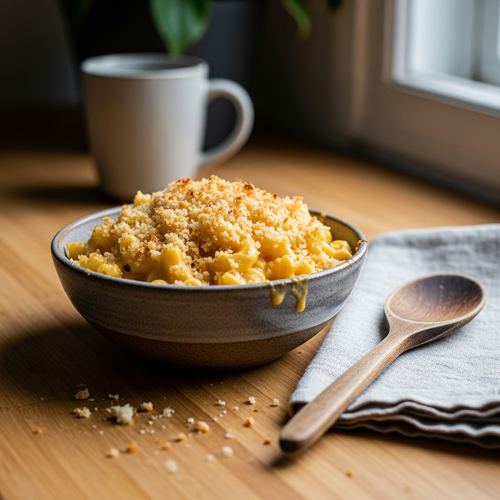
Description: An incredibly creamy, cheesy, and satisfying macaroni and cheese recipe built for fat loss. Packed with protein to crush cravings and keep you full for hours, this is the ultimate comfort food that fits a healthy lifestyle.
Prep Time: 5 minutes | Cook Time: 15 minutes
Servings: 4
Macros per Serving | Calories: 425 | Protein: 39g | Fat: 17g | Carbohydrates: 30g
Ingredients
- 8 ounces high-protein elbow macaroni or cavatappi pasta
- 1 cup low-fat cottage cheese
- ½ cup plain, non-fat Greek yogurt
- ½ cup unsweetened almond milk or skim milk
- 4 ounces sharp cheddar cheese, freshly shredded
- 2 ounces low-fat mozzarella cheese, freshly shredded
- 1 tablespoon all-purpose flour
- 1 tablespoon light butter
- ½ teaspoon garlic powder
- ½ teaspoon onion powder
- ¼ teaspoon paprika
- Salt and freshly ground black pepper to taste
- Optional: 2 tablespoons panko breadcrumbs for a crispy topping
Instructions
- Cook pasta according to package directions until al dente. Reserve ½ cup of pasta water before draining.
- While pasta cooks, blend cottage cheese, Greek yogurt, and milk in a blender until completely smooth.
- In a large pot, melt butter over medium-low heat. Whisk in flour and cook for 1 minute.
- Slowly whisk the blended cottage cheese mixture into the pot. Cook, stirring, for 3-5 minutes until it thickens.
- Reduce heat to low and stir in the shredded cheeses until fully melted. Stir in seasonings.
- Add the cooked pasta to the cheese sauce and stir to combine. Use reserved pasta water to thin the sauce if needed.
- Optional: Transfer to an oven-safe dish, top with panko, and broil for 2-3 minutes until golden brown.
Notes
For the smoothest sauce, it is crucial to shred your own cheese from a block. Pre-shredded cheese contains anti-caking agents that can make the sauce grainy.
FAQs About Macaroni and Cheese For Weight Loss
Here are some straightforward answers to the most common questions I receive about this macaroni and cheese recipe.
Can you really eat macaroni and cheese and still lose weight?
Yes, absolutely. Weight loss comes down to being in a consistent calorie deficit, meaning you consume fewer calories than your body burns. The problem with traditional macaroni and cheese isn’t that it’s inherently “bad,” but that it’s extremely calorie-dense and low in protein. A small, unsatisfying portion can take up a huge chunk of your daily calorie budget, leaving you hungry and prone to overeating later.
This recipe is specifically engineered to solve that problem. By using a blended cottage cheese and Greek yogurt base instead of heavy cream and butter, and by using high-protein pasta, we dramatically increase the protein content while lowering the overall calories and fat. This means you get to eat a large, satisfying bowl of cheesy pasta that keeps you full for hours. It makes sticking to your calorie deficit feel easy and enjoyable, not restrictive.
Will my kids or picky eaters like this high-protein macaroni and cheese?
This is one of the most common questions I get, and the answer is a resounding yes. The secret is in the blending step. When you blend the cottage cheese and Greek yogurt until they are perfectly smooth, the texture is completely undetectable. There are no lumps, no curds, and no “healthy” taste. It simply creates a rich, creamy base that tastes incredibly decadent.
The primary flavors in this dish come from the sharp cheddar and other seasonings, just like in any classic mac and cheese. I have served this to my own child and numerous friends and family members without telling them the ingredients, and no one has ever guessed the secret. It just tastes like really good, homemade macaroni and cheese. It’s a fantastic way to get extra protein into your family’s diet without a fight.
Can I make this macaroni and cheese recipe ahead of time for meal prep?
Yes, this recipe is excellent for meal prep. It’s one of my go-to’s for a busy week. The best approach is to cook the entire recipe as directed, allow it to cool, and then immediately portion it into single-serving, airtight containers. This prevents you from having to make decisions about portion sizes later and makes for an easy grab-and-go lunch or a quick dinner.
When it’s time to reheat, the key is to add a little moisture back into the sauce. Whether you’re using the microwave or the stovetop, adding a tablespoon or two of milk and stirring it in before or during the heating process will help the sauce return to its original creamy consistency. While the texture is always best right after it’s made, this reheating trick keeps it delicious and satisfying throughout the week.
Why is my macaroni and cheese sauce grainy?
A grainy cheese sauce is incredibly frustrating, but it’s almost always caused by one of two very preventable issues. The number one culprit is using pre-shredded cheese from a bag. These cheeses are coated with additives like potato starch or cellulose to keep the shreds from clumping together. While convenient, these coatings prevent the cheese from melting smoothly and will result in a gritty, unpleasant texture every time.
The second cause is heat. If your sauce is too hot when you add the cheese, the proteins in the cheese can tighten up and separate, a process called “breaking.” This is why the instructions emphasize turning the heat down to low before stirring in the cheese. By grating your own cheese from a block and adding it over very gentle heat, you can guarantee a perfectly smooth, velvety sauce.
What’s the best high-protein pasta for this macaroni and cheese?
You have several fantastic options, and the “best” one often comes down to personal preference and dietary needs. If you’re looking for a gluten-free choice that’s also very high in protein and fiber, chickpea-based pastas like Banza or lentil-based pastas are top-tier choices. They have a firm, satisfying bite and do a great job of holding onto the sauce.
If you prefer the taste and texture of traditional wheat pasta, there are excellent protein-fortified versions available. Brands like Barilla Protein+ use a blend of wheat and plant-based proteins (like lentil and chickpea flour) to boost the protein content significantly. The texture is virtually identical to regular pasta, making it a seamless swap for picky eaters. Ultimately, any of these choices will work wonderfully and help you hit your protein goals.
Try These High-Protein Recipes Next
If you loved this flexible approach to comfort food, here are a few other recipes you should try.
- Healthy Mac and Cheese Recipe: Another fantastic take on the classic, this one offers a different flavor profile and technique for when you want to mix things up.
- Healthy Baked Mac and Cheese Recipe: If you’re a fan of that crispy, cheesy topping, this baked version is a must-try. It’s perfect for a family dinner or meal prepping on a Sunday.
- Stovetop Mac and Cheese: A great resource for a more traditional, indulgent stovetop version when you’re looking for a classic comfort meal.
Each of these will help you continue to build a sustainable, enjoyable lifestyle where no food is off-limits.