
Pizza was always one of those “forbidden” foods for me. You know the ones. The foods you tell yourself you can’t have if you’re serious about losing weight. For years, I avoided it completely, thinking that was the only way to stay on track. But that approach always backfired. Restriction led to cravings, and cravings led to a full-blown binge that left me feeling defeated.
When I finally lost 65 pounds, it wasn’t because I cut out my favorite foods. It was because I learned how to make them work for me. This high-protein pizza sauce is a perfect example of that shift. It was born out of a desire to enjoy pizza night with my kid without derailing my progress or feeling like I was missing out.
I realized the standard jarred sauces were loaded with sugar and offered almost zero nutritional value. They just added empty calories. So I started experimenting. I wanted a sauce that was rich, flavorful, and actually helped me hit my protein goals. This recipe is the result of that journey. It’s a game-changer for anyone with ADHD who loves pizza but needs a simple, sustainable way to stay fit.
This isn’t just about making a healthier sauce. It’s about building a system where you never have to feel deprived. It’s about making fat loss feel easy, not like a punishment.
Skip to My Flexibe Diet Recipe!
Why This Pizza Sauce Is Great For Fat Loss
When you’re aiming for fat loss, every calorie needs to pull its weight. That’s the core philosophy behind this recipe. We’re not just making a low-calorie pizza sauce. We’re creating a sauce that actively works with your body to keep you full, reduce cravings, and support muscle maintenance.
The first powerhouse ingredient is low-fat cottage cheese. I know what you might be thinking, but trust me. When you blend it, it becomes completely smooth and creamy, adding a rich texture without any of the high-fat content of cream or oil. More importantly, it adds a significant protein boost. Protein is the king of macros for fat loss because it’s highly satiating, meaning it keeps you feeling full for longer. This helps prevent mindless snacking later.
Next up is nutritional yeast. This is my secret weapon for adding a cheesy, savory flavor without adding actual cheese. It gives the sauce a delicious umami depth and is packed with B vitamins. It’s a simple swap that enhances flavor while keeping the fat content low.
We also sneak in pureed carrots. This adds a subtle, natural sweetness, allowing us to skip the added sugars found in most store-bought sauces. Carrots also provide fiber and essential nutrients. Fiber slows down digestion, which helps manage blood sugar levels and further contributes to that feeling of fullness. This combination of protein and fiber is crucial for hunger management, making it easier to stick to your calorie goals without feeling deprived.
Ingredients You’ll Need for Pizza Sauce
One of the best things about this recipe is its simplicity. Most of these ingredients are pantry staples, which is a huge win for the ADHD brain. No need for a special, overwhelming trip to the grocery store. We’re focused on easy-to-find, powerful ingredients that deliver big on flavor and nutrition.
The key ingredient that makes this pizza sauce unique is the low-fat cottage cheese. This is what transforms a standard tomato sauce into a protein-packed powerhouse. Don’t worry about the texture. Once blended, it becomes perfectly smooth and undetectable, leaving only a creamy richness behind.
Here’s everything you’ll need to get started:
- 1 (28-ounce) can crushed tomatoes: For the base of our sauce. I recommend using a quality brand like San Marzano if you can, as it makes a noticeable difference in the flavor.
- 1/2 cup low-fat cottage cheese: This is our protein-boosting, creaminess-adding secret.
- 1/4 cup nutritional yeast: Adds a cheesy, savory flavor without the extra fat and calories.
- 1/4 cup pureed carrots: You can use baby food carrots for an amazing shortcut. This adds natural sweetness and nutrients.
- 2 tablespoons tomato paste: This deepens the tomato flavor and helps thicken the sauce.
- 4 cloves roasted garlic, minced: Roasting the garlic first brings out a sweet, mellow flavor. You can buy pre-roasted garlic in a jar to save a step.
- 1 teaspoon dried oregano: A classic pizza spice.
- 1 teaspoon dried basil: Another essential for that authentic Italian flavor.
- 1/2 teaspoon red pepper flakes (optional, for heat): Adjust this to your personal preference.
- 1/2 teaspoon black pepper: For a little bit of spice.
- 1/4 teaspoon salt: To enhance all the other flavors.
- 1 teaspoon balsamic vinegar: This adds a final touch of brightness and complexity.
Having these ingredients on hand makes it easy to whip up a batch whenever a pizza craving strikes. It’s all about setting up your environment for success.
How To Make Pizza Sauce (Step-By-Step)
I designed this recipe to be as straightforward as possible. We want to eliminate unnecessary steps and potential points of failure, especially on days when executive function is low. You’ll only need a blender and a saucepan for this. Let’s get started.
Step 1: Blend the Base
First, grab your blender or food processor. Combine the can of crushed tomatoes and the low-fat cottage cheese. Now, blend it until the mixture is completely smooth and creamy. This is the most important step for the texture. You don’t want any lumps of cottage cheese left. A high-powered blender works best, but any standard blender will do the job if you let it run for a minute or two.
Step 2: Combine and Heat
Pour the blended tomato and cottage cheese mixture into a medium saucepan. Place it over medium heat on the stovetop. Now, stir in the nutritional yeast, pureed carrots, tomato paste, minced roasted garlic, dried oregano, dried basil, red pepper flakes (if you’re using them), black pepper, and salt. Give everything a good stir to combine all the ingredients evenly.
Step 3: Simmer the Sauce
Bring the sauce to a gentle simmer. Once you see bubbles starting to form, reduce the heat to low, cover the saucepan with a lid, and let it cook for at least 30 minutes. This simmering time is crucial. It allows all the flavors to meld together and deepen, transforming it from a simple mix of ingredients into a rich, cohesive pizza sauce. Don’t rush this part.
Step 4: The Finishing Touch
After simmering, remove the sauce from the heat. Stir in the balsamic vinegar. This last-minute addition brightens up all the flavors and adds a subtle tangy finish. Give the sauce a final taste and adjust any seasonings if you think it needs it. You might want a little more salt or an extra pinch of red pepper flakes.
Step 5: Cool Before Using
Finally, let the sauce cool down slightly before you spread it on your pizza dough. Using hot sauce can make the dough soggy. This delicious, high-protein sauce is now ready for your favorite pizza creations.
How To Serve Pizza Sauce (ADHD-Friendly)
Having this pizza sauce ready to go is a massive win for meal planning. It reduces the number of decisions you have to make when you’re hungry, which is a common ADHD struggle. When the “what’s for dinner?” paralysis hits, you have a healthy, delicious base waiting for you.
The most obvious way to use this sauce is, of course, on a pizza. But we can make that process ADHD-friendly too. Instead of making dough from scratch, which can feel like a monumental task, keep some pre-made pizza crusts, flatbreads, or even whole-wheat pitas on hand. This is a perfect example of using store-bought shortcuts to stay consistent.
Here are a few simple and flexible ways to incorporate this sauce into your meals:
- Personal Pizza Night: Use whole-wheat tortillas or English muffins as a base. Let everyone in the family add their own toppings. This turns dinner into a quick, interactive activity and accommodates different preferences without extra work.
- High-Protein Dip: Warm up the sauce and serve it as a dip for baked chicken strips, zucchini fries, or whole-grain crackers. It’s a satisfying and savory snack that helps you hit your protein goals.
- Pasta Sauce Upgrade: This sauce works beautifully over chickpea or lentil pasta for a double dose of protein and fiber. Just toss it with the cooked pasta for a complete meal that’s ready in minutes.
- Stuffed Chicken Breast: Slice a pocket into a chicken breast, spoon in some of this pizza sauce, add a sprinkle of low-fat mozzarella, and bake until the chicken is cooked through. It’s an easy way to make a boring chicken dinner exciting.
The goal is to make healthy eating feel effortless. By having this versatile sauce prepped, you’re setting yourself up for success. You’re removing barriers and making the healthy choice the easy choice.
How To Store, Reheat, and Reuse Pizza Sauce
One of the best parts of this recipe is that it makes a decent-sized batch. This is intentional. We want to cook once and eat multiple times. For those of us with ADHD, having ready-made components in the fridge or freezer is like a superpower against takeout temptations.
Proper storage is key to making this strategy work. You want the sauce to be just as delicious on day three as it was on day one. After the sauce has cooled completely, you have a couple of great options for storing it, depending on when you plan to use it next.
Here’s how to handle your leftover pizza sauce:
- Refrigerating: Pour the cooled sauce into an airtight container. A glass jar with a screw-top lid works perfectly. It will stay fresh in the refrigerator for up to 5 days. This is perfect for planning a few pizza-themed meals throughout the week without any extra cooking.
- Freezing: This sauce freezes beautifully. For easy portioning, I recommend freezing it in smaller batches. You can use silicone muffin tins or ice cube trays. Once the sauce is frozen solid, pop out the blocks and transfer them to a freezer-safe zip-top bag. They’ll last for up to 3 months. This is a lifesaver for future-you on a low-energy day.
- Reheating: To reheat, simply place the desired amount of sauce in a small saucepan over medium-low heat. Stir it occasionally until it’s warmed through. If you’re in a hurry, you can also microwave it in a microwave-safe bowl. If you’re using it on a pizza, you can often just spread the cold sauce on the dough and it will heat up perfectly in the oven.
Having this sauce on hand is a core part of building a sustainable system. It’s about doing the work when you have the energy so that you have easy options when you don’t.
Easy Swaps & Variations for Pizza Sauce
A flexible recipe is a sustainable recipe. Life happens. Sometimes you don’t have the exact ingredients, or you need to adjust for dietary needs. This pizza sauce recipe is incredibly forgiving and easy to adapt. Don’t let a missing ingredient stop you from making it.
Working with what you have is a key skill for managing ADHD in the kitchen. It prevents the all-or-nothing thinking that can lead to abandoning a meal plan entirely. The goal is a delicious, healthy sauce, not a perfect execution of a rigid formula. Think of this recipe as a template you can customize.
Here are some simple swaps and variations you can try:
- Make it Dairy-Free/Vegan: To make this sauce vegan, simply swap the cottage cheese for a dairy-free alternative. Blended silken tofu or a plain, unsweetened cashew-based cream cheese are excellent substitutes that will still provide a creamy texture and a protein boost.
- Spice It Up: If you love heat, feel free to add more than just red pepper flakes. A pinch of cayenne pepper, a dash of your favorite hot sauce, or even some finely chopped jalapeño can be simmered with the sauce for an extra kick.
- Add More Veggies: This sauce is a great vehicle for sneaking in more vegetables. Finely chopped mushrooms, spinach, or zucchini can be sautéed and added to the sauce during the simmering stage. Just be sure to cook out most of their moisture first.
- Herb Variations: Don’t have dried oregano or basil? No problem. You can use an Italian seasoning blend instead. If you have fresh herbs on hand, like basil or parsley, stir them in at the very end after you’ve removed the sauce from the heat for the best flavor.
Remember, consistency beats perfection every time. Making a slightly modified version of this sauce is infinitely better than ordering a greasy takeout pizza because you were missing one ingredient.
High-Protein Pizza Sauce
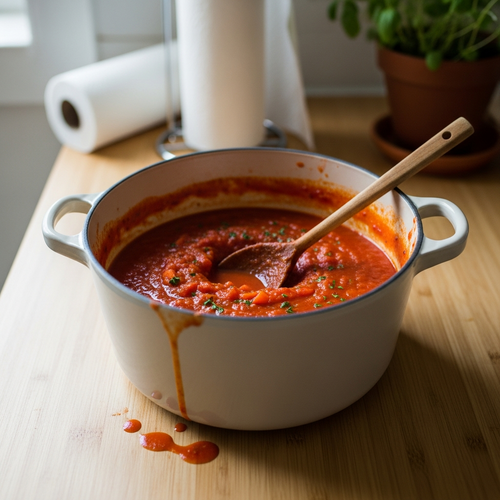
Description: A rich, creamy, and flavorful pizza sauce that’s secretly packed with protein to support your fat loss goals. Perfect for making healthy pizza nights a regular part of your routine.
Prep Time: 5 minutes | Cook Time: 30 minutes
Servings: 4
Macros per Serving | Calories: 105 | Protein: 8g | Fat: 1g | Carbohydrates: 17g
Ingredients
- 1 (28-ounce) can crushed tomatoes
- 1/2 cup low-fat cottage cheese
- 1/4 cup nutritional yeast
- 1/4 cup pureed carrots
- 2 tablespoons tomato paste
- 4 cloves roasted garlic, minced
- 1 teaspoon dried oregano
- 1 teaspoon dried basil
- 1/2 teaspoon red pepper flakes (optional, for heat)
- 1/2 teaspoon black pepper
- 1/4 teaspoon salt
- 1 teaspoon balsamic vinegar
Instructions
- In a blender, combine crushed tomatoes and cottage cheese. Blend until completely smooth.
- Pour the mixture into a medium saucepan over medium heat.
- Stir in nutritional yeast, pureed carrots, tomato paste, garlic, and all dried seasonings.
- Bring to a simmer, then reduce heat to low, cover, and cook for 30 minutes.
- Remove from heat and stir in balsamic vinegar. Taste and adjust seasoning if needed.
Notes
For an even richer flavor, let the sauce simmer for up to an hour. The sauce can be stored in an airtight container in the refrigerator for 5 days or frozen for up to 3 months.
FAQs About Pizza Sauce For Weight Loss
Here are some straightforward answers to the most common questions I receive about this pizza sauce recipe.
Can you really not taste the cottage cheese in this pizza sauce?
I get this question all the time, and it’s a valid one. The idea of cottage cheese in pizza sauce sounds strange to a lot of people. The answer is no, you absolutely cannot taste it once it’s blended and simmered. The key is blending it thoroughly with the crushed tomatoes at the very beginning. This step breaks down the curds completely, creating a smooth, creamy base that is texturally indistinguishable from a sauce made with heavy cream or oil.
The flavor of cottage cheese is very mild to begin with. When it’s combined with the acidic tomatoes, savory garlic, and all the Italian herbs, its flavor is completely masked. It doesn’t add a “cheesy” taste in the way you might think. Instead, it contributes a subtle richness and a wonderful, velvety body to the sauce. It’s a stealth health ingredient that boosts protein and creaminess without altering the classic pizza sauce flavor you love.
Is this high-protein pizza sauce suitable for meal prep?
Yes, this sauce is absolutely perfect for meal prep. In fact, I designed it with meal prep in mind. As someone with ADHD, I know that having healthy components ready to go is one of the most effective strategies for staying on track with nutrition. Cooking a batch of this sauce on a Sunday can set you up for several easy meals throughout the week, which is a huge win for reducing decision fatigue on busy weeknights.
The flavor of the sauce actually deepens and improves after a day or two in the fridge, as the herbs and garlic have more time to meld. It stores perfectly in an airtight container for up to five days. For longer-term meal prep, freezing is your best friend. I recommend freezing it in single-serving portions using an ice cube tray or a silicone muffin pan. That way, you can just grab what you need for a personal pizza or a quick pasta dish without having to thaw the whole batch.
Why is protein in pizza sauce important for weight loss?
Adding protein to a pizza sauce might seem unconventional, but it’s a strategic move for anyone focused on fat loss. Protein is the most satiating macronutrient. This means it helps you feel fuller and more satisfied for a longer period after you eat. When your sauce contributes to your protein goal, the entire meal becomes more effective at preventing hunger and cravings later on. This makes it much easier to maintain a calorie deficit, which is essential for losing fat.
Furthermore, adequate protein intake is crucial for preserving lean muscle mass during a weight loss phase. When you’re in a calorie deficit, your body can sometimes break down muscle for energy. Eating enough protein helps protect against this, ensuring that the weight you lose is primarily from fat. By fortifying your sauce with protein, you’re making your pizza work harder for your fitness goals, turning it from a simple carbohydrate source into a more balanced and functional meal.
Can I use this pizza sauce for things other than pizza?
Absolutely. This sauce is incredibly versatile, which is another reason it’s great for an ADHD-friendly kitchen. Thinking of it only as a pizza sauce limits its potential. You can use it as a base for any dish that calls for a tomato sauce. It’s fantastic tossed with high-protein pasta, like those made from chickpeas or lentils, for a quick and filling meal.
It also works as a dipping sauce for things like baked chicken tenders, air-fried zucchini sticks, or mozzarella sticks. You can use it as a layer in a healthier lasagna or as a topping for baked chicken parmesan. I’ve even used it as a savory base for shakshuka by cracking a few eggs into the simmering sauce. The possibilities are really endless. Having a jar of this in your fridge opens up a ton of quick, healthy meal options.
What makes this pizza sauce better than a store-bought “healthy” version?
While some store-bought pizza sauces are marketed as “healthy” or “low-sugar,” they often fall short in a few key areas. First, most commercial sauces contain little to no protein, making them nutritionally incomplete. They add flavor and calories but do nothing to help with satiety. Our homemade version, with its cottage cheese base, actively contributes to your protein goals for the day.
Second, you have complete control over the ingredients. Many jarred sauces, even the healthier ones, can have hidden sodium, preservatives, or sweeteners to make them shelf-stable and palatable. By making your own, you control the salt, you eliminate added sugars by using pureed carrots for sweetness, and you know exactly what’s in it. This control is empowering and ensures your sauce aligns perfectly with your health and fitness objectives without any hidden compromises.
Try These High-Protein Recipes Next
If you loved how easy and delicious this high-protein sauce was, here are a few other recipes you should try next.
- ADHD-Friendly High Protein Spaghetti Sauce: My go-to recipe for a classic spaghetti sauce that’s packed with hidden protein and veggies.
- Easy High Protein Bolognese Sauce: A rich and meaty sauce that’s perfect for a hearty, satisfying, and macro-friendly pasta night.
- Slow Cooker Spaghetti Sauce: A great “set it and forget it” recipe for days when you want a delicious sauce waiting for you with minimal effort.
These recipes all follow the same principles: simple steps, great flavor, and nutrition that supports your goals.