
My relationship with falafel used to be complicated. For years, it was a late-night food truck snack, deep-fried into a greasy, delicious mess. It was the kind of food I ate when I was completely off the rails with my diet. When I started my fitness journey and lost 65 pounds, I thought I had to say goodbye to it forever.
The problem was, I missed it. I tried countless “healthy” baked falafel recipes, and they were always a disaster. They were either dry and bland, or they completely fell apart into a sad pile of chickpea mush. For someone with ADHD, a recipe failure can easily trigger a shame spiral and lead to ordering takeout. I needed something reliable.
I needed a falafel that was not only healthy but also delicious and structurally sound. I wanted that crispy exterior and tender, flavorful interior without the deep fryer. This frustration is what drove me to create this recipe. I knew I had to engineer a better way.
By adding pea protein and quinoa, I not only solved the structural problem but also transformed this classic street food into a high-protein powerhouse. This is the falafel that finally fit my lifestyle. It’s built for fat loss, packed with flavor, and simple enough to make even on a low-motivation day. It’s the falafel I always wanted.
Skip to My Flexibe Diet Recipe!
Why This High-Protein Falafel Is Great For Fat Loss
When you’re aiming for fat loss, your food needs to do more than just taste good. It needs to work for you. This high-protein falafel recipe is specifically designed to support your goals by hitting the three most important pillars of sustainable eating: protein, hunger management, and convenience.
First, let’s talk about protein. Food is 75 percent of your results, and protein is the king of macros for fat loss. It keeps you feeling full and satisfied, which is your best defense against cravings. We’ve packed this recipe with protein from three sources: chickpeas, quinoa, and a scoop of unflavored pea protein powder. This triple threat helps you meet your protein targets easily and keeps hunger away for hours.
Next up is hunger management through fiber. The chickpeas and quinoa are loaded with fiber, which slows down digestion. This helps prevent the sharp blood sugar spikes and crashes that can leave you feeling tired and reaching for sugary snacks. A stable energy level is crucial for staying consistent, especially when dealing with ADHD.
Finally, we ditched the deep fryer. Traditional falafel is a calorie bomb because it soaks up a ton of oil. By baking or air frying, we get that amazing crispy texture with just a tiny fraction of the fat and calories. This means you can eat a satisfying portion without derailing your progress. It feels like an indulgence, but it’s actually a smart, strategic meal that aligns perfectly with a fat loss lifestyle.
This recipe gives you the comfort food experience you crave in a package that builds muscle and burns fat. It’s a win-win.
Ingredients You’ll Need for Falafel
We’re using simple, powerful ingredients to build a better falafel. The list might seem standard at first, but a couple of key players make all the difference in boosting protein and ensuring these don’t fall apart. Brutal practicality is the name of the game here.
Here is exactly what you will need:
- 1 cup dried chickpeas, soaked overnight
- 1/2 cup cooked quinoa
- 1/4 cup unflavored pea protein powder
- 1 small yellow onion, roughly chopped
- 4 cloves garlic, minced
- 1 cup fresh parsley, packed
- 1 cup fresh cilantro, packed
- 1 teaspoon ground cumin
- 1 teaspoon ground coriander
- 1/2 teaspoon cayenne pepper (optional)
- 1 teaspoon baking powder
- 1/2 teaspoon salt
- 2 tablespoons olive oil, divided
The most important ingredient here is dried chickpeas. Do not substitute canned chickpeas. I repeat, do not use canned chickpeas. They hold too much water and will turn your falafel into a mushy paste that falls apart in the oven. Soaking dried chickpeas overnight is the non-negotiable secret to getting the perfect, fluffy-yet-firm texture.
Our key high-protein twist comes from the unflavored pea protein powder. This is our secret weapon. It acts as a powerful binder, ensuring your falafel holds its shape perfectly, while also adding a significant, clean protein boost without altering the classic flavor. Make sure you use an unflavored variety to let the herbs and spices shine.
The addition of cooked quinoa also adds to the protein content and improves the texture, giving the falafel a heartier bite. For an ADHD-friendly shortcut, use pre-cooked, frozen quinoa that you can just thaw and toss in. It saves a step and gets you to the finish line faster.
How To Make Falafel (Step-By-Step)
Making this high-protein falafel is straightforward, but a few key details make all the difference. We’ll walk through it step-by-step to guarantee you get crispy, delicious results every single time. The goal is a repeatable system, not a one-time success.
Step 1: Soak The Chickpeas
This step starts the night before, and it’s the most critical part of the entire recipe. Place your dried chickpeas in a large bowl and cover them with several inches of cold water. Let them soak for at least 12 hours, or up to 24. They will more than double in size. An ADHD tip: set a reminder on your phone for “Soak Chickpeas” the day before you plan to cook.
Step 2: Drain and Dry
Once soaked, drain the chickpeas thoroughly in a colander. The next part is crucial: you need to get them as dry as possible. Spread them out on a clean kitchen towel or a layer of paper towels and pat them dry. Excess moisture is the enemy of crispy falafel, so don’t rush this step.
Step 3: Preheat Your Oven or Air Fryer
Get your appliance of choice heating up while you assemble the mixture. For an oven, preheat to 400°F (200°C) and lightly grease a baking sheet. For an air fryer, preheat to 375°F (190°C). Having it hot and ready ensures the falafel starts crisping up immediately.
Step 4 & 5: Combine and Pulse The Mixture
In a food processor, combine the soaked and dried chickpeas, cooked quinoa, pea protein, onion, garlic, parsley, and cilantro. Pulse the mixture in short bursts. Scrape down the sides of the bowl as you go. You are looking for a texture that resembles coarse breadcrumbs, not a smooth paste. Over-processing will make the falafel dense and gummy.
Step 6: Add The Seasonings
Now, add the cumin, coriander, optional cayenne, baking powder, and salt to the food processor. Pulse just a few more times to get everything evenly incorporated. The baking powder is a key ingredient that helps make the inside light and fluffy.
Step 7: Form The Patties
Transfer the mixture to a bowl. Using your hands or a cookie scoop for uniform size, form the mixture into about 15-20 small patties or balls. A medium cookie scoop is a fantastic ADHD-friendly tool here because it makes the process faster and ensures they all cook evenly.
Step 8 & 9: Bake or Air Fry
To bake, arrange the falafel on your prepared baking sheet, brush the tops with olive oil, and bake for 20-25 minutes, flipping them halfway through. To air fry, place them in a single layer in the basket, spray lightly with oil, and cook for 15-20 minutes, flipping halfway. Don’t overcrowd them; cook in batches if you have to. Crowding steams them instead of crisping them.
Step 10: Serve Hot
Falafel is at its absolute best when it’s fresh and hot, with a crispy outside and a warm, tender inside. Serve them immediately with your favorite sauces and sides.
How To Serve Falafel (ADHD-Friendly)
Now that you have a batch of perfect, high-protein falafel, let’s talk about how to turn it into a quick, delicious, and fat-loss-friendly meal. The key for an ADHD brain is to keep assembly simple and flexible. We want to minimize decision fatigue and make mealtime easy.
My favorite method is the “Build-Your-Own-Bowl.” It’s a fantastic system because it requires minimal effort during a busy week, especially if you’ve prepped the components ahead of time. You just pull out the containers and assemble. It gives you variety without the mental load of planning a new meal every night.
Here are some simple, ADHD-friendly ways to serve your falafel:
- The Falafel Salad Bowl: Start with a base of mixed greens or romaine lettuce. Add your hot falafel, some chopped cucumber, cherry tomatoes, and maybe some sliced red onion. Drizzle with a simple tzatziki or hummus thinned with lemon juice. Store-bought sauce is 100% approved.
- The Deconstructed Pita: Instead of stuffing a pita (which can be messy), just toast a whole-wheat pita and cut it into wedges for dipping. Serve it alongside the falafel, a big dollop of hummus, and some crunchy veggie sticks like carrots and bell peppers.
- The Protein Power Plate: Keep it super simple. Serve 5-6 falafel patties with a side of your pre-cooked quinoa and a scoop of your favorite high-protein dip, like a Greek yogurt-based tzatziki. This is a balanced, macro-friendly plate that takes seconds to put together.
The goal is to have delicious, healthy options ready to go. By prepping a big batch of falafel and having some easy, store-bought sides on hand, you create a system that makes the right choice the easiest choice. That’s how you build consistency and get results.
How To Store, Reheat, and Reuse Falafel
One of the best things about this falafel recipe is how well it works for meal prep. Making a double batch over the weekend can set you up with quick, high-protein meals for the entire week. Storing and reheating them correctly is key to making sure they taste just as good on day four as they did on day one.
Proper storage is simple. Let the cooked falafel cool completely to room temperature. This is important to prevent them from getting soggy. Then, store them in an airtight container in the refrigerator. They will stay fresh and delicious for up to 5 days.
For longer-term storage, the freezer is your best friend. This is a game-changer for future you.
- To Freeze Cooked Falafel: Arrange the cooled falafel in a single layer on a baking sheet and place it in the freezer for about an hour, or until they are solid. This is called flash-freezing, and it prevents them from sticking together. Once frozen, transfer them to a freezer-safe bag or container. They’ll last for up to 3 months.
- To Freeze Uncooked Falafel: You can also freeze the uncooked mixture. Form the patties as usual, flash-freeze them on a baking sheet, and then transfer them to a freezer bag. You can cook them directly from frozen, just add about 5-7 extra minutes to the baking or air frying time.
When it’s time to reheat, avoid the microwave at all costs. It will make them soft and rubbery. The best way to bring back that crispy exterior is to use the same method you used to cook them. A few minutes in a 375°F air fryer or a 400°F oven is all it takes to make them hot and crispy again. You can also crumble cold leftovers onto a salad for a different texture, no reheating required!
Easy Swaps & Variations for Falafel
A great recipe is a flexible recipe. Life gets busy, and sometimes you don’t have every single ingredient on hand. The good news is that this high-protein falafel recipe is very forgiving. Here are some simple swaps and variations you can try to fit your taste, your pantry, or your dietary needs.
These adjustments are designed to keep the recipe practical and accessible, because a plan you can stick to is always better than a “perfect” one you can’t.
- Herb Variations: If you’re one of the people for whom cilantro tastes like soap, no problem. You can simply use all parsley instead. For a different flavor profile, try adding about a half cup of fresh mint leaves along with the parsley for a brighter, fresher taste.
- Spice It Up or Down: The 1/2 teaspoon of cayenne adds a very mild warmth. If you love heat, feel free to double it or even add a pinch of red pepper flakes. If you prefer no heat at all, you can omit it completely. For a smoky twist, try adding a teaspoon of smoked paprika.
- Different Protein Powders: Unflavored pea protein is ideal here for its neutral taste and great binding properties. However, if you have unflavored whey or a soy isolate, they could also work. Just be aware that whey protein might result in a slightly denser texture. The key is that it must be unflavored.
- Nut-Free and Gluten-Free: This recipe is already naturally nut-free and gluten-free. Just be sure to double-check that your brand of pea protein powder is certified gluten-free if you have celiac disease or a high sensitivity.
Don’t be afraid to experiment a little. The core of the recipe—the soaked chickpeas, protein powder, and baking method—is what makes it work. The herbs and spices are where you can get creative and make it your own. Consistency is what drives results, and having a flexible, go-to recipe makes staying consistent so much easier.
High-Protein Baked Falafel
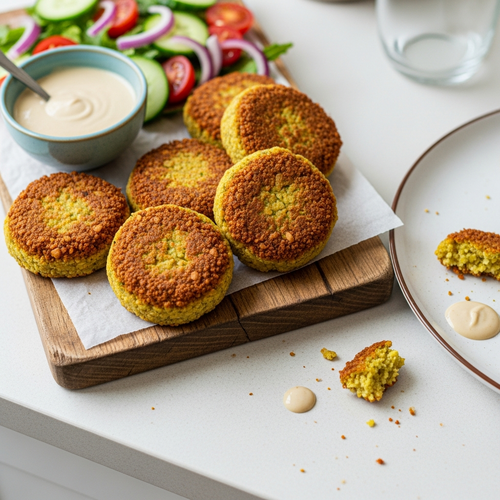
Description: A crispy, flavorful, and easy-to-make baked falafel recipe packed with protein to support fat loss goals. Perfect for meal prep, this recipe is designed to be delicious and foolproof, working with your ADHD brain, not against it.
Prep Time: 15 minutes (plus overnight soak) | Cook Time: 25 minutes
Servings: 3 (makes about 18 falafel, 6 per serving)
Macros per Serving | Calories: 360 | Protein: 23g | Fat: 11g | Carbohydrates: 47g
Ingredients
- 1 cup dried chickpeas, soaked overnight
- 1/2 cup cooked quinoa
- 1/4 cup unflavored pea protein powder
- 1 small yellow onion, roughly chopped
- 4 cloves garlic, minced
- 1 cup fresh parsley, packed
- 1 cup fresh cilantro, packed
- 1 teaspoon ground cumin
- 1 teaspoon ground coriander
- 1/2 teaspoon cayenne pepper (optional)
- 1 teaspoon baking powder
- 1/2 teaspoon salt
- 2 tablespoons olive oil, divided
Instructions
- Soak dried chickpeas in a large bowl of water for at least 12 hours. Drain well and pat completely dry.
- Preheat oven to 400°F (200°C) or air fryer to 375°F (190°C).
- In a food processor, combine soaked chickpeas, quinoa, pea protein, onion, garlic, parsley, and cilantro. Pulse until finely minced but not a paste.
- Add seasonings, baking powder, and salt. Pulse briefly to combine.
- Form the mixture into 15-20 small patties.
- Bake: Place on a greased baking sheet, brush with 1 tbsp olive oil, and bake for 20-25 minutes, flipping halfway.
- Air Fry: Place in a single layer, spray with oil, and air fry for 15-20 minutes, flipping halfway.
- Serve immediately.
Notes
Do not use canned chickpeas; the recipe will not work. Ensure the soaked chickpeas are patted very dry before processing. An unflavored protein powder is essential for the best taste.
FAQs About Falafel For Weight Loss
Here are some straightforward answers to the most common questions I receive about this falafel recipe.
Can I eat this falafel every day on a weight loss diet?
You absolutely can, as long as it fits within your daily calorie and macro targets. This baked falafel recipe is high in protein and fiber, making it a fantastic choice for a filling and satisfying meal. It provides steady energy and helps keep cravings at bay, which are huge wins when you’re in a calorie deficit.
That said, variety is important for two main reasons. First, eating a wider range of foods ensures you get a broader spectrum of micronutrients. Second, from a psychological standpoint, variety keeps things interesting and can prevent diet fatigue. For those of us with ADHD, novelty can be a powerful motivator. So while this falafel is a great staple, I’d recommend rotating it with other high-protein meals to keep your diet both nutritionally complete and engaging over the long term.
Why did my homemade falafel fall apart?
This is the most common pitfall when making falafel at home, and it almost always comes down to one of two things: moisture content or texture. The number one culprit is using canned chickpeas. Canned chickpeas are cooked and packed in water, making them far too wet and soft for falafel. They turn into a paste when processed, which lacks the structural integrity to hold together. You must use dried chickpeas that have been soaked overnight and then patted thoroughly dry.
The second reason is over-processing the mixture. If you blend the ingredients for too long, you’ll create a smooth, hummus-like paste. You want the mixture to have a coarse, crumbly texture, like wet sand. This allows the particles to bind together when formed and cooked. Pulsing the food processor in short bursts instead of letting it run continuously gives you much better control over the final texture. Following these two rules will give you sturdy, perfect falafel every time.
Is this high-protein falafel recipe good for meal prep?
Yes, this recipe is an absolute champion for meal prep. It’s one of my go-to strategies for making sure I have healthy, satisfying food ready to go during a busy week. Having pre-made components is a lifesaver for the ADHD brain because it removes the friction and decision-making from mealtime. You can cook a double batch on a Sunday and have falafel ready for salads, bowls, or plates for the next several days.
They store perfectly in an airtight container in the fridge for up to five days. Even better, they freeze beautifully. You can freeze them either cooked or uncooked. I personally love freezing the uncooked patties. That way, I can just pull out exactly how many I need and bake or air fry them from frozen for a fresh-tasting meal in about 25 minutes. It’s a fantastic system for ensuring you always have a high-protein option available, which is crucial for staying on track.
Can I make this falafel recipe without a food processor?
It is possible, but I’ll be honest, it’s significantly more difficult and the results won’t be quite the same. A food processor is the ideal tool because it chops everything finely and evenly with minimal effort. If you don’t have one, you’ll have to rely on a lot of manual labor. You would need to mince the onion, garlic, and herbs as finely as you possibly can with a sharp knife.
For the chickpeas, you would need to use something like a potato masher to break them down. The challenge is getting them to a consistent, coarse texture without turning them to complete mush in some spots while leaving large chunks in others. The final mixture will likely be much chunkier, which could make the patties more fragile. If you’re serious about making falafel regularly, a food processor is a worthwhile investment for both convenience and consistency.
Are chickpeas in falafel good for building muscle?
Chickpeas on their own are a good source of plant-based protein and complex carbohydrates, which are both important for muscle growth and recovery. The carbs provide the energy you need to power through your workouts, and the protein provides the amino acids necessary to repair and build muscle tissue. However, a standard falafel recipe might not be a protein powerhouse on its own.
That’s why this specific recipe is so effective. We’ve intentionally engineered it to be a muscle-building meal by adding cooked quinoa (a complete protein) and a scoop of pea protein powder. This significantly increases the total protein per serving, making it much more effective for supporting muscle synthesis. When you combine this high-protein falafel with a consistent workout routine, it becomes an excellent tool for helping you build a lean, fit physique.
Try These High-Protein Recipes Next
If you loved this falafel, here are a few other simple, high-protein recipes you should try next.
- The Best High-Protein Hummus Recipe: The perfect pairing for your falafel, this hummus recipe also includes a secret ingredient to boost the protein content significantly.
- Easy High-Protein Tzatziki Recipe: A cool, refreshing, and creamy Greek yogurt-based sauce that takes just 5 minutes to make and is amazing with falafel.
- 40+ Homemade Hummus Recipes: For when you’re ready to get creative, this roundup offers a huge variety of flavor combinations to explore, from spicy to savory.
Building a library of reliable, delicious recipes is the key to long-term success.