
For most of my life, I thought gnocchi was a “bad” food. You know the kind. The delicious, comforting, carb-heavy dishes you’re supposed to avoid if you want to lose weight. During the first year of my fat loss journey, I wouldn’t even look at it. I was convinced that a single bite of those fluffy potato pillows would undo all my progress.
But living a life without comfort food is a recipe for disaster, especially with an ADHD brain that craves dopamine and satisfaction. Restriction leads to burnout and bingeing. So I had to find a better way. I needed a version of gnocchi that worked with my goals, not against them.
That’s how this high-protein gnocchi was born. I swapped the traditional potato base for a protein powerhouse: low-fat cottage cheese. The result is a meal that delivers all the comfort and flavor I craved while being packed with the protein I needed to stay full, manage my hunger, and build muscle. It’s brutally practical, delicious, and a perfect example of how we build sustainable eating habits at ADHD FIT.
Skip to My Flexibe Diet Recipe!
Why Gnocchi Is Great For Fat Loss
Let’s be direct. Traditional gnocchi isn’t exactly a fat loss superfood. It’s mostly potato and flour, which means it’s high in carbs and low in protein. That can lead to a quick spike in blood sugar, followed by a crash and returning hunger. It’s easy to overeat and still feel unsatisfied an hour later. That’s a bad combination when you’re trying to stay in a calorie deficit.
This recipe, however, completely flips the script. We’re not just making gnocchi; we’re re-engineering it to fit our goals. The magic starts by replacing the potato with blended low-fat cottage cheese. This single swap dramatically increases the protein content while keeping the calories in check. Protein is the most important macro for fat loss. It keeps you feeling full for longer, reduces cravings, and helps your body preserve muscle while you lose fat.
We don’t stop there. The gnocchi is served with a sauce built around lean ground turkey and loaded with vegetables. This adds even more high-quality protein and a ton of fiber and volume from the veggies. The result is a huge, satisfying bowl of food that is surprisingly low in calories but incredibly high in nutrients and protein. It’s a meal that manages hunger effectively, which is the number one battle in any fat loss phase. For the ADHD brain, having a pre-planned, genuinely satisfying meal like this helps prevent the impulsive, last-minute decision to order takeout after a long day.
Ingredients You’ll Need for Gnocchi
This recipe is built on simple, accessible ingredients. The real star of the show is the low-fat cottage cheese, which transforms the entire nutritional profile of the dish. It’s our secret weapon for making a comfort food classic into a fat loss powerhouse.
When you’re shopping, the quality of a few key items can make a difference. For the cottage cheese, look for a brand with a simple ingredient list. Some brands can be watery, so if yours seems to have a lot of liquid, you might want to strain it slightly. For the Parmesan, I always recommend buying a block and grating it yourself. The pre-shredded kind often has anti-caking agents that can affect how it melts and incorporates into the dough.
Here’s everything you’ll need to make this high-protein gnocchi:
- For the High-Protein Gnocchi:
- 1 cup low-fat cottage cheese
- 1/4 cup grated Parmesan cheese
- 1 large egg
- 1/2 teaspoon salt
- 1/4 teaspoon black pepper
- 3/4 cup all-purpose flour (plus more for dusting)
- For the Lean Protein & Vegetable Sauce:
- 1 tablespoon olive oil
- 1 lb lean ground turkey or chicken breast, diced
- 2 cloves garlic, minced
- 1 small onion, chopped
- 1 red bell pepper, chopped
- 1 zucchini, chopped
- 1 (15-ounce) can crushed tomatoes
- 1 teaspoon dried oregano
- 1/2 teaspoon red pepper flakes (optional)
- Salt and freshly ground black pepper to taste
- 2 cups fresh spinach
- 1/4 cup chopped fresh basil
How To Make Gnocchi (Step-By-Step)
Making gnocchi from scratch might sound intimidating, but this recipe is designed to be straightforward. We’re aiming for a delicious, practical meal, not a perfect, restaurant-quality masterpiece. The key is to work efficiently and not overthink the small details.
Step 1: Create the Gnocchi Base
The single most important step for getting the texture right is blending the cottage cheese until it’s perfectly smooth. Add the cottage cheese to a food processor or a high-powered blender. Blend it for a solid 60–90 seconds, scraping down the sides once or twice. You want a creamy, smooth consistency with absolutely no lumps or curds remaining. This step is non-negotiable for tender gnocchi.
Step 2: Form the Dough
Transfer the smooth cottage cheese to a large bowl. Stir in the grated Parmesan, egg, salt, and pepper. Now, gradually add the flour. Don’t just dump it all in at once. Add about half, mix it in with a fork, then add the rest. Mix until a soft, slightly sticky dough forms. The goal is to handle it as little as possible. Overmixing develops the gluten in the flour and will make your gnocchi tough.
Step 3: Shape the Gnocchi
Lightly flour your counter or a large cutting board. Turn the dough out and knead it gently just a few times until it comes together. Divide the dough into four equal pieces. Roll each piece into a long, snake-like rope about 3/4-inch thick. Use a knife or a bench scraper to cut the ropes into 1-inch pieces. If you want the classic ridges, you can gently press each piece with the back of a fork. ADHD Tip: This is a repetitive task. Put on a podcast or some music to stay engaged and make it feel less like a chore.
Step 4: Start the Sauce
Now it’s time to multitask. Bring a large pot of salted water to a boil for the gnocchi. While it’s heating, start the sauce. Heat the olive oil in a large, deep skillet or a Dutch oven over medium-high heat. Add your lean ground turkey or chicken and cook until it’s browned, using a spoon to break it into small pieces.
Step 5: Build the Flavor
Add the minced garlic, chopped onion, bell pepper, and zucchini to the skillet with the cooked protein. Sauté for 5–7 minutes, until the vegetables start to soften. Stir in the crushed tomatoes, oregano, and red pepper flakes if you’re using them. Season with salt and pepper, bring it to a simmer, then reduce the heat to low to let the flavors meld while you cook the gnocchi.
Step 6: Cook the Gnocchi and Finish
Carefully drop your prepared gnocchi into the boiling water. Don’t overcrowd the pot; cook in two batches if needed. They cook very quickly. After about 2–3 minutes, they will float to the surface. That’s your signal they’re done. Use a slotted spoon to lift them out of the water and transfer them directly into your simmering sauce. Stir the fresh spinach into the hot sauce until it wilts, then turn off the heat and stir in the fresh basil. Serve immediately.
How To Serve Gnocchi (ADHD-Friendly)
One of the best things about this high-protein gnocchi recipe is that it’s a complete meal in one bowl. You have your protein, your carbs, your fats, and a generous serving of vegetables all together. For an ADHD brain, this eliminates the executive function drain of planning, shopping for, and preparing multiple side dishes. Simplicity is our friend.
On days when you have a bit more energy or are craving extra greens, a simple side salad is a great addition. Don’t overcomplicate it. A bag of pre-washed mixed greens, some cherry tomatoes, and a light vinaigrette is all you need. The goal is to add nutrition and volume without adding stress.
Portion control can be a challenge, especially when a meal is this comforting. Here are a few practical tips to make it easier:
-
Use a Smaller Bowl. This is a simple visual trick that can help your brain feel satisfied with a reasonable portion. A big bowl can make a proper serving look small, tempting you to add more.
-
Plate in the Kitchen. Instead of bringing the whole skillet to the table family-style, dish out individual servings in the kitchen. This creates a natural stopping point and helps avoid mindless second or third helpings.
-
Plan for Leftovers. Before you even sit down to eat, portion out a serving or two into meal prep containers for the next day’s lunch. This is an act of kindness to your future self and reinforces portion control at the same time.
When you serve it, a little extra sprinkle of Parmesan cheese or a few fresh basil leaves on top can make it feel special without any real extra work. Celebrate the fact that you made a delicious meal that nourishes your body and supports your goals.
How To Store, Reheat, and Reuse Gnocchi
Leftovers are a cornerstone of a sustainable fitness lifestyle, especially for those of us with ADHD. Cooking once and eating two or three times saves an incredible amount of time, energy, and decision-making power. This high-protein gnocchi recipe is fantastic for meal prep and stores beautifully.
Once the gnocchi has cooled down, you can store it in the refrigerator or freezer. Proper storage is key to making sure your leftovers are just as good the second time around.
-
In the Refrigerator: Transfer the gnocchi and sauce to an airtight container. It will stay fresh and delicious for up to 4 days. ADHD Tip: Use clear containers so you can see what’s inside. If it’s hidden, it might as well not exist. Put a small piece of masking tape on the lid and write the date and “Gnocchi” on it.
-
In the Freezer: This recipe freezes very well. Portion the gnocchi into individual, freezer-safe containers. This makes for an incredibly easy grab-and-go meal on low-motivation days. It can be frozen for up to 3 months. To reheat, you can let it thaw in the fridge overnight or reheat it directly from frozen.
When it comes to reheating, you have a couple of good options. For the fastest method, simply microwave your portion in a microwave-safe bowl. Cover it loosely and heat for 2-3 minutes, stirring halfway through. If you have a bit more time, reheating on the stovetop will give you the best results. Add the gnocchi to a small saucepan over medium-low heat, adding a tablespoon of water or broth to help loosen the sauce as it warms up.
Easy Swaps & Variations for Gnocchi
The best recipes are flexible. Life happens. Sometimes you don’t have the exact ingredient, or you find something else on sale, or you’re just in the mood for a different flavor. This gnocchi recipe is incredibly forgiving and easy to adapt. Don’t be afraid to make it your own based on what you have and what you like.
Working with your ADHD brain means having options and not getting derailed if one small thing is missing. Here are some simple, practical swaps and variations you can try:
-
Change the Protein: If you don’t have ground turkey, 93/7 lean ground beef works great. Crumbled Italian chicken or pork sausage adds a ton of flavor (just be mindful of the higher fat content). For a vegetarian version, you can use a plant-based ground “meat” substitute or even a can of lentils.
-
Use Different Veggies: This sauce is a perfect way to clean out your vegetable drawer. Sliced mushrooms, chopped carrots, celery, or even eggplant would be fantastic additions. On a low-energy day, a bag of frozen “onion and pepper mix” is a brilliant shortcut.
-
Get Cheesy: While cottage cheese is key for the gnocchi itself, you can experiment with the sauce. A handful of shredded mozzarella stirred in at the end will make it extra gooey and satisfying.
-
Swap the Flour: You can substitute whole wheat flour for the all-purpose flour to add a bit more fiber. Just be aware it might result in a slightly denser, heartier gnocchi. For a gluten-free option, a good quality 1-to-1 gluten-free baking blend should work well.
-
Sauce Shortcut: Don’t have the time or energy to make the sauce from scratch? No problem. Brown your protein and veggies, then pour in a jar of your favorite marinara sauce (look for one with no added sugar, like Rao’s). This is a perfect example of working with your brain, not against it.
High-Protein Cottage Cheese Gnocchi
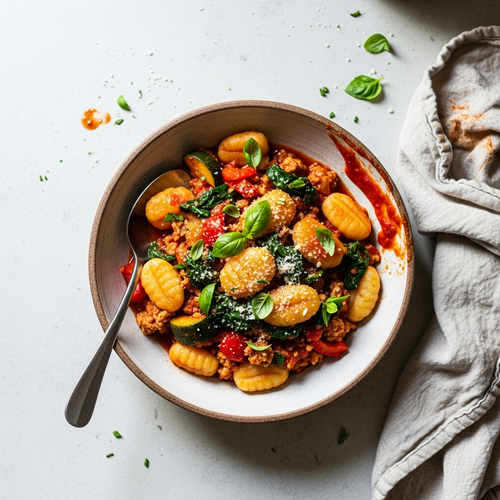
Description: A guilt-free comfort food packed with protein to crush cravings and support fat loss, all while being simple enough for an ADHD brain.
Prep Time: 20 minutes | Cook Time: 25 minutes
Servings: 4
Macros per Serving | Calories: 445 | Protein: 39g | Fat: 18g | Carbohydrates: 32g
Ingredients
- For the High-Protein Gnocchi:
- 1 cup low-fat cottage cheese
- 1/4 cup grated Parmesan cheese
- 1 large egg
- 1/2 teaspoon salt
- 1/4 teaspoon black pepper
- 3/4 cup all-purpose flour (plus more for dusting)
- For the Lean Protein & Vegetable Sauce:
- 1 tablespoon olive oil
- 1 lb lean ground turkey or chicken breast, diced
- 2 cloves garlic, minced
- 1 small onion, chopped
- 1 red bell pepper, chopped
- 1 zucchini, chopped
- 1 (15-ounce) can crushed tomatoes
- 1 teaspoon dried oregano
- 1/2 teaspoon red pepper flakes (optional)
- Salt and freshly ground black pepper to taste
- 2 cups fresh spinach
- 1/4 cup chopped fresh basil
Instructions
- In a food processor, blend the cottage cheese until completely smooth.
- Transfer to a bowl and stir in Parmesan, egg, salt, and pepper. Gradually add flour and mix until a soft dough forms. Do not overmix.
- On a floured surface, divide dough into four portions. Roll each into a 3/4-inch thick rope and cut into 1-inch pieces.
- Bring a large pot of salted water to a boil.
- Meanwhile, heat olive oil in a large skillet. Cook ground turkey until browned.
- Add garlic, onion, bell pepper, and zucchini, and cook for 5-7 minutes until tender.
- Stir in crushed tomatoes and seasonings. Simmer on low.
- Drop gnocchi into boiling water. Cook until they float (about 2-3 minutes).
- Remove gnocchi with a slotted spoon and add directly to the sauce.
- Stir in spinach until wilted, then add fresh basil. Serve immediately.
Notes
The most crucial step for texture is to blend the cottage cheese until it is 100% smooth. Any remaining curds will affect the final consistency of the gnocchi.
FAQs About Gnocchi For Weight Loss
Here are some straightforward answers to the most common questions I receive about this gnocchi recipe.
Can you really eat gnocchi and still lose weight?
Absolutely, yes. The idea that certain foods are “good” or “bad” is a trap that leads to restrictive dieting and eventual burnout. Fat loss is determined by being in a consistent calorie deficit, not by eliminating specific foods. The problem with traditional gnocchi isn’t the gnocchi itself, but its nutritional profile. It’s high in carbs and low in protein, which makes it easy to eat a lot of calories without feeling full for very long.
Our recipe solves this problem. By using cottage cheese as the base and pairing it with a lean protein and vegetable sauce, we create a meal that is high in protein and fiber. These are the two most important factors for hunger management. A single serving of this gnocchi will keep you satisfied for hours, making it much easier to stick to your daily calorie target. It proves that you can enjoy your favorite comfort foods while actively losing fat, as long as you make smart, strategic adjustments.
Is cottage cheese gnocchi healthy?
“Healthy” is a subjective term, but in the context of a fat loss and fitness lifestyle, this recipe checks all the important boxes. It is what I would call a highly “functional” food. It serves a specific purpose: to deliver a delicious, satisfying meal with a fantastic macronutrient profile that supports your goals.
Each serving provides a huge dose of protein (around 39 grams), which is essential for building and maintaining muscle, especially in a calorie deficit. It’s also loaded with vegetables, providing fiber, vitamins, and minerals that are crucial for overall health. The carbs provide energy for your workouts and daily life, and the fats are kept at a moderate level. Compared to a restaurant version, which could easily top 1,000 calories with much less protein, this recipe is a nutritional powerhouse that fits perfectly into a balanced eating plan.
Why did my cottage cheese gnocchi turn out gummy?
This is the most common technical issue, and it almost always comes down to one of two things: overmixing the dough or overcooking the gnocchi. When you add the flour to the wet ingredients, you want to mix it just until the dough comes together. If you knead it or mix it too aggressively, you’ll develop too much gluten, which results in a tough, gummy texture instead of a light, tender one.
The second culprit is overcooking. These gnocchi cook extremely fast. The moment they float to the surface of the boiling water, they are done. Leaving them in for even a minute longer can cause them to become waterlogged and mushy. Use a slotted spoon to pull them out as soon as they float. If you pay attention to these two key steps—gentle mixing and quick cooking—you should have perfectly tender gnocchi every time.
Can I make this high-protein gnocchi ahead of time?
Yes, this recipe is great for planning ahead, which is a critical skill for managing an ADHD lifestyle. You have a couple of options. First, you can make the entire dish from start to finish and then portion it out into airtight containers for the week. This is my preferred method for easy lunches and dinners. It reheats wonderfully in the microwave or on the stovetop.
Alternatively, you can prep the components separately. You can make the gnocchi dough, shape the gnocchi, and then arrange them in a single layer on a baking sheet lined with parchment paper. Lightly dust them with flour and freeze them until solid. Once frozen, you can transfer them to a freezer bag. They can be cooked directly from frozen; just add about a minute to the boiling time. You can also make the sauce ahead of time and store it in the fridge for up to 4 days.
What if I don’t have a food processor for this gnocchi recipe?
A food processor is definitely the best tool for this job because it makes quick work of getting the cottage cheese perfectly smooth. A high-powered blender, like a Vitamix or Blendtec, is the next best option and will also work very well. You may just need to scrape down the sides more frequently.
If you don’t have either, you’re in for a bit more manual labor, but it is possible. You can try to push the cottage cheese through a fine-mesh sieve with the back of a spoon. This will break up the curds and smooth out the texture. It takes time and patience, but it can get you close. I would avoid trying to just whisk it by hand, as you will almost certainly be left with lumps, which will negatively impact the final texture of the gnocchi. In this case, the tool really does make a significant difference in the outcome.
Try These High-Protein Recipes Next
If you enjoyed this practical approach to making comfort food fit your fitness goals, you’ll love these other high-protein, ADHD-friendly recipes.
-
Creamy High-Protein Mashed Potatoes: Another comfort food classic reinvented with Greek yogurt and cottage cheese to be a perfect side dish for your fat loss journey.
-
High-Protein, Low-Effort Risotto: A simple, almost-hands-off method for making creamy, delicious risotto that’s packed with protein and doesn’t require constant stirring.
-
Baked Pesto Pork Meatballs with Creamy Gnocchi: A fantastic recipe from This Gal Cooks that pairs savory pesto meatballs with a creamy gnocchi dish for another satisfying, well-balanced meal.
Each of these recipes follows the same principles: amazing flavor, great macros, and simple steps that work for a busy life.